24 hour emergency service, electrical repair, panel upgrades, generator installation and EV chargers in Port St. Lucie. Call (855) 679-2483 and get connected with an independent licensed electrician who works locally.
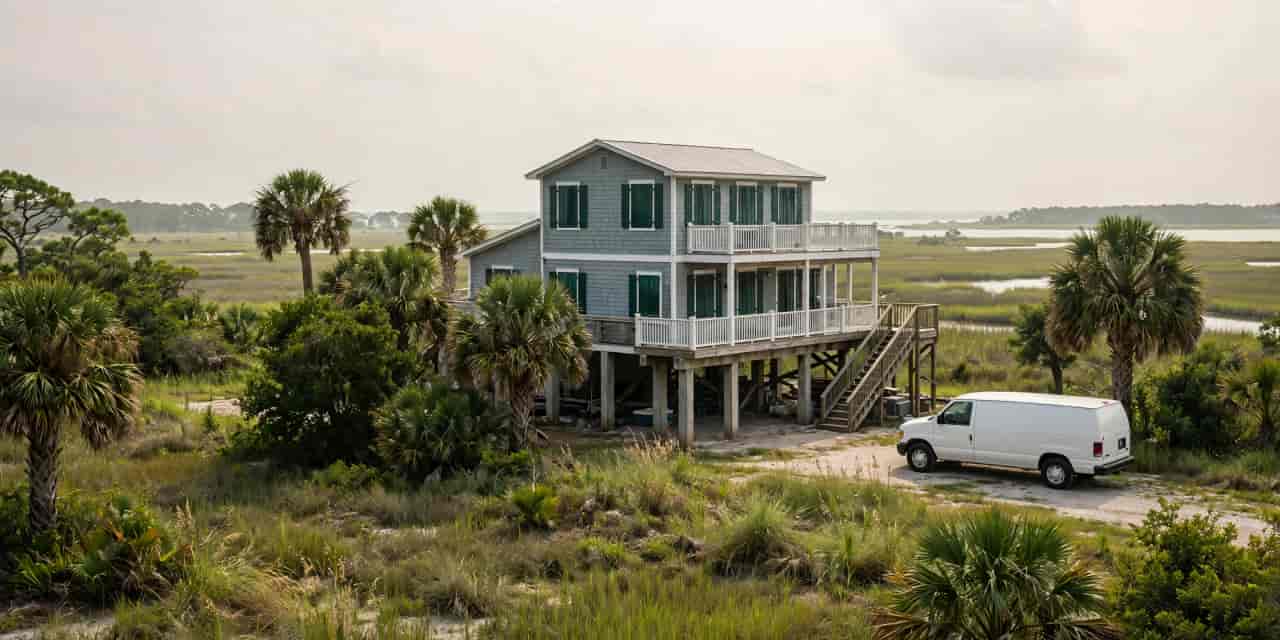
Port St. Lucie was planned on paper before it was built, a city of quarter-acre lots that General Development Corporation began selling in the late 1950s along the North Fork of the St. Lucie River. Florida Power & Light serves it. Concrete block homes from the 1970s through the 2000s sit beside newer master-planned neighborhoods like Tradition. Hurricanes Frances, Jeanne and Nicole all came ashore just to the east, and in 2024 Milton’s tornadoes struck the county, so storm readiness drives a lot of electrical work.
By calling, you agree to be connected with an independent electrician, who may call or text you back about your request at the number you call from. Calls may be recorded for quality and routing. Consent is not a condition of any purchase, and you can opt out at any time; message and data rates may apply. Privacy policy.
Serving Sandpiper Bay, Southbend Lakes, St. Lucie West, Tradition, Torino, River Park and every other Port St. Lucie neighborhood.
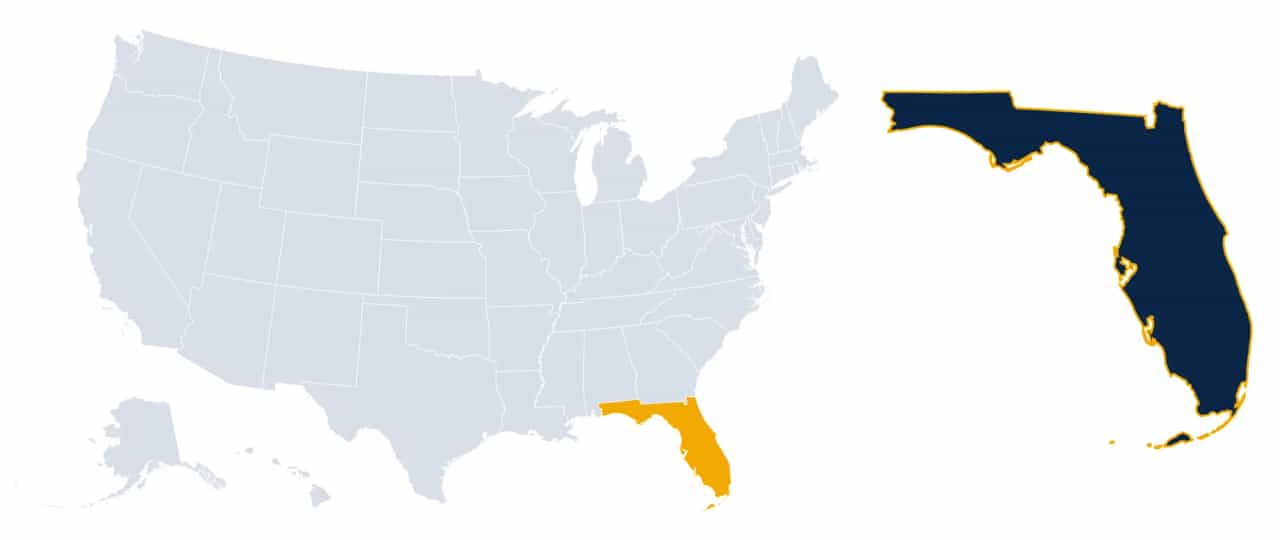
Port St. Lucie at a glance
Electric utility
Florida Power & Light (FPL)
Permits and inspections
City of Port St. Lucie Building Department (City Hall Complex, Building B, 121 SW Port St. Lucie Boulevard)
County
St. Lucie County
ZIP codes include
34952 · 34953 · 34983 · 34984 · 34986 · 34987
Electrical services in Port St. Lucie
What do you need help with in Port St. Lucie, FL?
The calls Port St. Lucie homeowners make most, followed by every service independent licensed electricians handle here.
East of the turnpike, single-story concrete block homes on GDC lots fill Sandpiper Bay, Southbend Lakes, River Park and the older sections, many built from the 1970s through the 1990s, with some still on well water or septic. St. Lucie West grew around Clover Park after 1988. Tradition, opened in 2003, and the western communities that followed add newer stucco homes with larger services, solar-ready roofs and gated, deed-restricted neighborhoods.
Problems that come up again and again in local homes, and the service that fixes each one.
01
Hurricane-damaged masts and meter bases
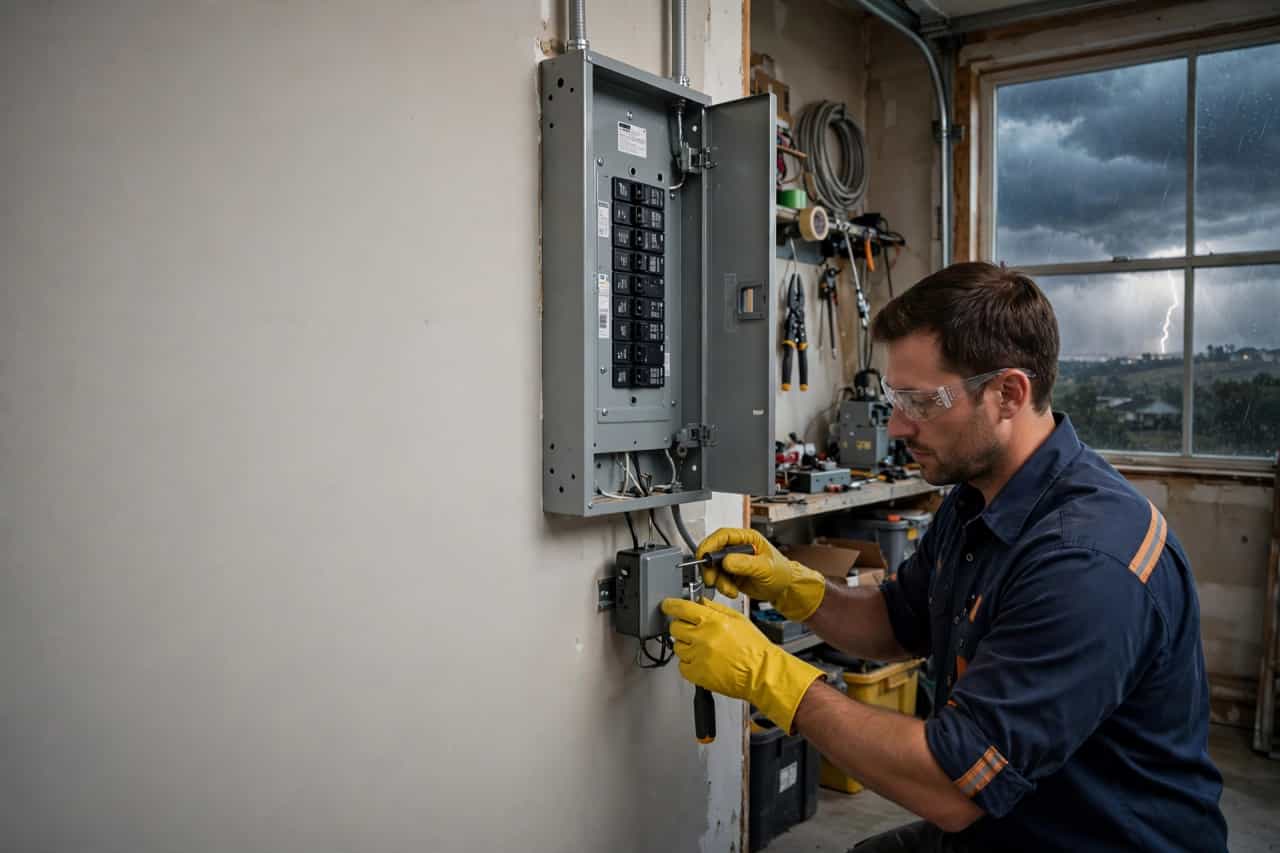
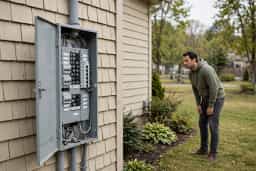
Wind and falling limbs can rip the service mast or meter base off the wall. FPL repairs its own lines, but the owner usually needs a licensed electrician to fix the house side and pass inspection before power returns.
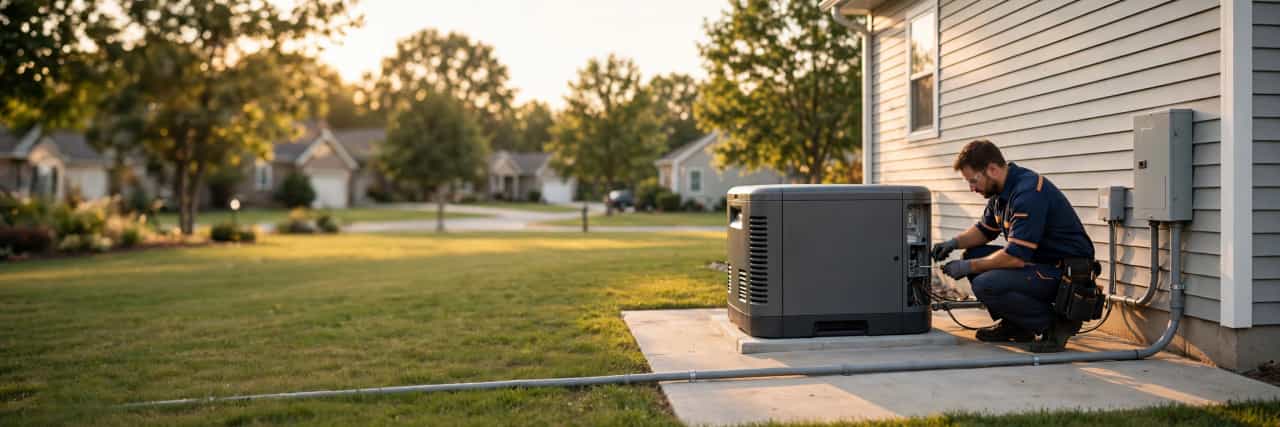
After multi-day outages, many owners add a standby unit or an inlet and interlock for a portable generator. A transfer device keeps power from back-feeding FPL lines, and generators must run outside, away from windows and doors.
Afternoon thunderstorms bring frequent lightning across the Treasure Coast, and nearby strikes can damage pool controllers, air handlers and electronics. Surge protection at the panel and at sensitive equipment limits the damage.
History, housing, weather and rules that shape electrical work in Port St. Lucie, FL.
From a 1958 land purchase to a 1961 city
General Development Corporation, run by the Mackle brothers, bought the River Park development and some 40,000 acres along the North Fork of the St. Lucie River in 1958. By early 1961 about 250 homes stood there, and Port St. Lucie became a city on April 27, 1961. Lots were sold on installment plans to buyers across the country and abroad, and decades of building on those scattered lots shaped the patchwork of house ages seen on almost every street today.
Eighty thousand quarter-acre lots
General Development platted more than 80,000 lots across the city, most of them quarter-acre single-family parcels. Homes went up one at a time, often years apart, so a 1979 block house can sit next to one from 2005. That means neighboring homes may have very different panels, service sizes and wiring methods. An electrician cannot assume what is behind the wall from the age of the street; each house needs to be looked at on its own.
Sandpiper Bay and the river’s east bank
Sandpiper Bay is one of the city’s original neighborhoods, set along the St. Lucie River on the east side with golf and waterfront lots. Many homes there are older single-story block houses that have been expanded with enclosed porches, pool cages and detached workshops. Additions like these were often wired at different times, and a review of how each was tied into the panel is a sensible first step before adding new loads.
Southbend Lakes and the C-24 Canal
Southbend Lakes, next to Sandpiper Bay, wraps around canals that reach the St. Lucie River, and the C-24 Canal gives boaters a route to the ocean. Docks, boat lifts and shoreline lighting all bring electricity close to water. Those circuits need proper GFCI protection, weather-rated equipment and careful bonding, and damaged dock wiring after a storm should be shut off and checked before anyone swims or works nearby.
St. Lucie West and Clover Park since 1988
St. Lucie West grew up around the ballpark built for the New York Mets’ spring training, which opened in 1988 and is now Clover Park. Homes, condos, offices and the shopping centers around the I-95 interchange followed through the 1990s and 2000s. Many of those homes are now old enough that original air handlers, water heaters and breakers are being replaced, and owners often take the chance to add surge protection or a generator inlet.
Tradition, opened in 2003
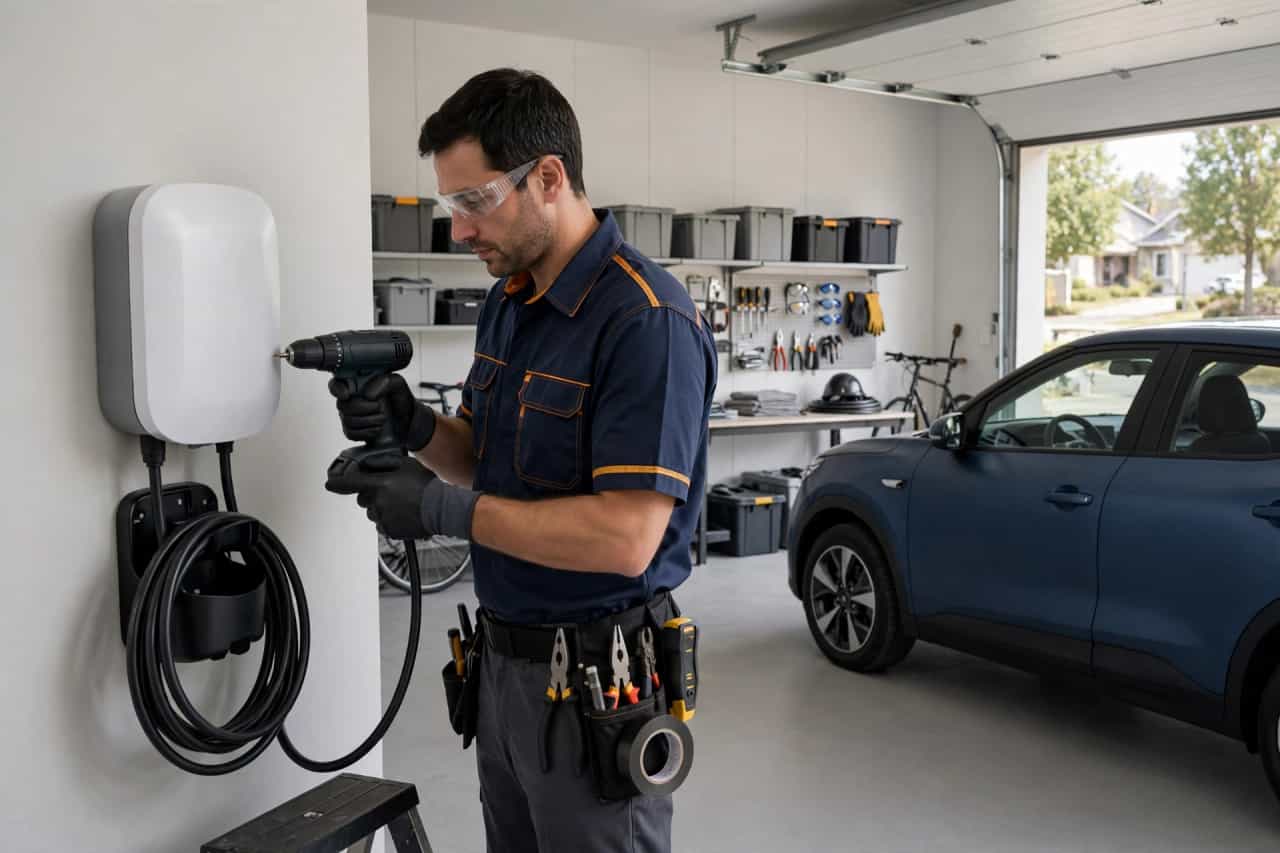
Tradition’s town square opened in April 2003, and the 8,300-acre master-planned community west of I-95 has grown steadily since, with Mattamy Homes buying thousands of acres of its remaining land from the original developer, Core Communities, in 2018. Newer houses here usually have larger services and modern panels, so requests focus on EV chargers, smart-home wiring, landscape lighting and generators. Homeowners’ association rules may also apply to visible equipment such as generators or exterior fixtures.
Torino and the northwest
Torino, in the northwest part of the city, mixes single-family homes, condominiums and golf and age-restricted communities near nature preserves and the river. Its homes range widely in age. Owners in 55-plus neighborhoods frequently ask for brighter interior lighting, more outlets placed at convenient heights, and standby power for medical equipment, while condo owners need to coordinate any work affecting common areas with their association.
Frances and Jeanne, three weeks apart
Hurricane Frances came ashore on Hutchinson Island as a Category 2 storm on September 5, 2004, and Hurricane Jeanne made landfall in almost the same spot on the night of September 25 as a Category 3. St. Lucie County took billions of dollars in damage between them. Many homes lost power twice in one month, and the season pushed owners toward shutters, generators and better-anchored service equipment.
Nicole’s rare November landfall
Hurricane Nicole made landfall on North Hutchinson Island as a Category 1 storm at about 3 a.m. on November 10, 2022, becoming only the third November hurricane on record to strike Florida, after the 1935 Yankee hurricane and Kate in 1985. Its winds, surge and beach erosion reached well beyond the landfall point along the Treasure Coast. Late-season storms like this one catch people after they have put shutters and generators away, which is why maintenance before every season matters.
Milton’s tornadoes, October 9, 2024
As Hurricane Milton approached Florida’s west coast on October 9, 2024, tornadoes tore across St. Lucie County. One, rated EF-3, cut a long path through the Spanish Lakes Country Club Village area north of the city toward Fort Pierce, where six residents were killed. The tornadoes showed that the east coast faces serious wind damage even when a hurricane lands on the other side of the state.
FPL’s underground neighborhood lines
Through its Storm Secure Underground Program, FPL is replacing overhead neighborhood lines with underground cable to cut down on outages from trees and wind. Dozens of projects have been planned in Port St. Lucie. When your street is converted, the service to your house usually changes from an overhead drop to an underground lateral, and some homes need meter base or mast changes on the owner’s side to make that switch.
Well pumps and septic-to-sewer conversions
Many older Port St. Lucie homes were built on private wells and septic tanks, and the city has been connecting them to its water and sewer system for decades. Converting can leave a well pump circuit, pressure switch and old controls behind. Some owners keep the well for irrigation; others want the circuit removed. Either way, the old wiring should be made safe rather than abandoned live in the yard.
Wiring in concrete block walls
Most homes here have concrete block exterior walls with furring strips and drywall on the inside. Adding an outlet or switch on an outside wall means working within that shallow space, which limits box sizes and routes. Interior frame walls and attics are easier, but attic heat is extreme in summer. Good planning keeps holes small and avoids damaging the block or the moisture barrier behind the drywall.
Lightning season on the Treasure Coast
Summer afternoons bring towering thunderstorms over the Treasure Coast, and lightning strikes nearby can push surges through power, cable and phone lines. Air handlers, pool equipment, garage door openers and smart-home hubs are common casualties. A whole-home surge protective device at the panel, combined with point-of-use protection for electronics and a solid grounding system, gives the best defense a household can reasonably add.
Pools, pool cages and outdoor kitchens
Screened pool enclosures are standard on many lots, and they often hold pumps, heaters, lighting and outdoor kitchens added over time. Metal cages, pool shells and equipment must be bonded, and outdoor receptacles need GFCI protection and weather-resistant covers. A pump that trips repeatedly, a light that flickers under water or corrosion at the equipment pad are signs to call an electrician before swimming.
Standby power and transfer switches
Long outages after hurricanes make generators one of the most requested upgrades in Port St. Lucie. A standby generator needs a transfer switch, a permit and inspection, plus fuel planning for natural gas or propane. Portable units need an inlet and interlock instead of extension cords through windows. Always run them outdoors and away from openings, since carbon monoxide poisoning is a real risk after every major storm.
Permits at City Hall, Building B
The City of Port St. Lucie Building Department handles electrical permits from Building B of the City Hall Complex on SW Port St. Lucie Boulevard. Service changes, generators, new circuits, solar and EV chargers generally need a permit and inspection. Remember that Fort Pierce and unincorporated St. Lucie County have their own building offices, so confirm the jurisdiction before work begins.
Florida contractor licensing
In Florida, electrical contractors are licensed through the Electrical Contractors’ Licensing Board under the Department of Business and Professional Regulation. The state’s online search shows whether a license is active and whether there have been disciplinary actions. Ask for the license number, check it, and make sure it matches the permit for your job before any work begins. Storm seasons tend to bring unlicensed crews door to door, so this check matters most right after a hurricane.
Repairing the house side after a storm
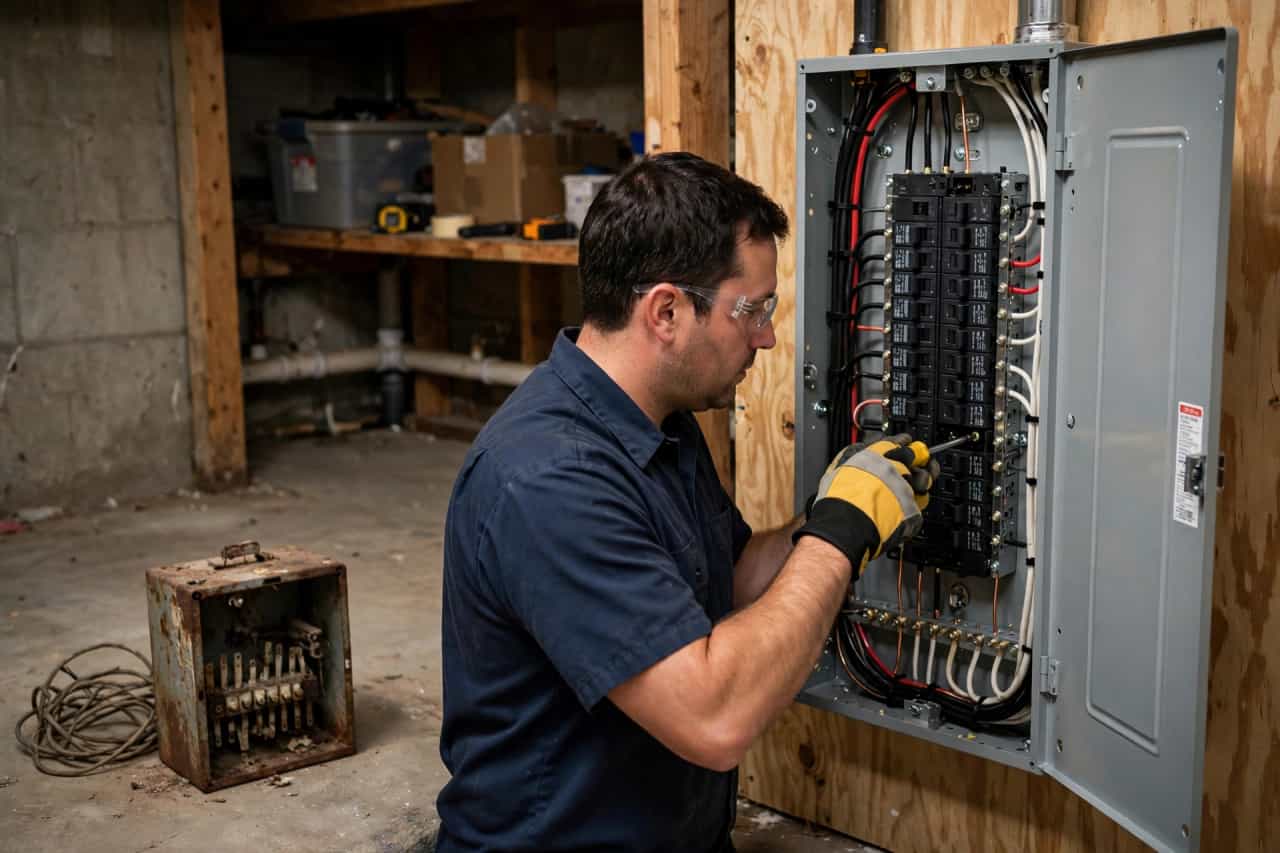
When a storm tears the service mast, weatherhead or meter base from a home, FPL generally will not reconnect until those owner-side parts are repaired and, where required, inspected. Taking photos of the damage helps with insurance claims. Stay well away from any loose wires, keep children and pets inside, and call a licensed electrician to restore the connection safely.
Recognizing an electrical emergency
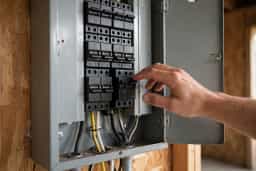
Smoke, flames, a burning smell, crackling or sparking from an outlet, a hot or buzzing panel, a shock from any fixture, or water reaching electrical equipment all need immediate attention. Get everyone clear, turn off the main breaker only if you can reach it while dry and safe, and call 911 for any smoke or fire. Do not remove panel covers. Then call (855) 679-2483 to reach a licensed electrician.
Questions
Questions from Port St. Lucie, FL homeowners
Is there a 24 hour emergency electrician in Port St. Lucie, FL?+
Yes. Call (855) 679-2483 any time, day or night, and you are connected with an independent licensed electrician who covers Port St. Lucie, including Sandpiper Bay, Southbend Lakes, St. Lucie West. For sparks, smoke or a hot panel, call 911 first.
Who handles electrical repair and generator installation in Port St. Lucie?+
Licensed electrical contractors working in St. Lucie County handle outlet and switch repair, circuit troubleshooting, panel work and standby generator installation. Permits go through City of Port St. Lucie Building Department (City Hall Complex, Building B, 121 SW Port St. Lucie Boulevard).
Who issues electrical permits in Port St. Lucie?+
The City of Port St. Lucie Building Department issues electrical permits from Building B of the City Hall Complex at 121 SW Port St. Lucie Boulevard. Properties outside city limits, including Fort Pierce and unincorporated St. Lucie County, go through their own building offices.
Who do I call if my power is out in Port St. Lucie after a storm?+
Report the outage to FPL first, since lines and transformers are the utility’s job. If your mast, meter base or panel is damaged, or only part of the house has power, call (855) 679-2483 to be connected with a licensed electrician, and stay away from any downed line.
How do I verify an electrical contractor in Florida?+
Use the Florida Department of Business and Professional Regulation’s license search, which covers contractors licensed through the Electrical Contractors’ Licensing Board. Check that the license is current and that the same number appears on your permit.
By calling, you agree to be connected with an independent electrician, who may call or text you back about your request at the number you call from. Calls may be recorded for quality and routing. Consent is not a condition of any purchase, and you can opt out at any time; message and data rates may apply. Privacy policy.
Free to call
Explain the problem in plain words
Connect with an independent licensed electrician near you
Smoke, flames or sparking? Leave the building and call 911 first.
Pronto Electrician is a free referral service. The electricians you are connected with are independent contractors, not employees or agents of Pronto Electrician. Pronto Electrician does not perform electrical work, and the electrician you choose sets the price, schedule, permits and warranty.
By calling, you agree to be connected with an independent electrician, who may call or text you back about your request at the number you call from. Calls may be recorded for quality and routing. Consent is not a condition of any purchase, and you can opt out at any time; message and data rates may apply. Privacy policy.