01
Hurricane outages
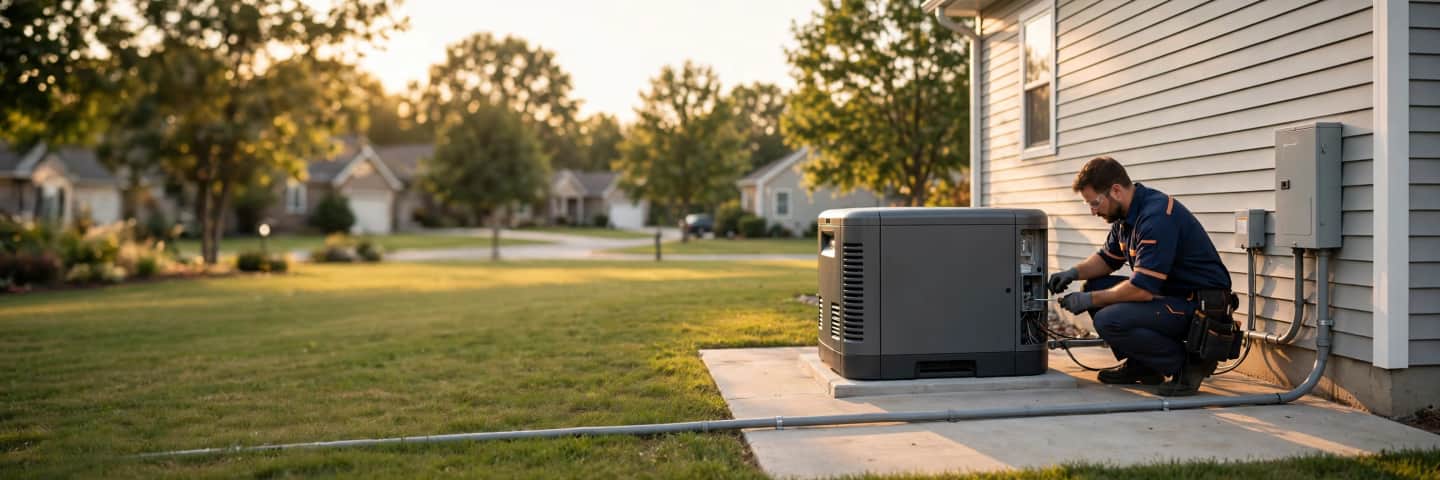
Generators with listed transfer equipment keep refrigeration, fans and medical devices running after storms. Portable generators must never be run indoors or in garages.
Generator Installation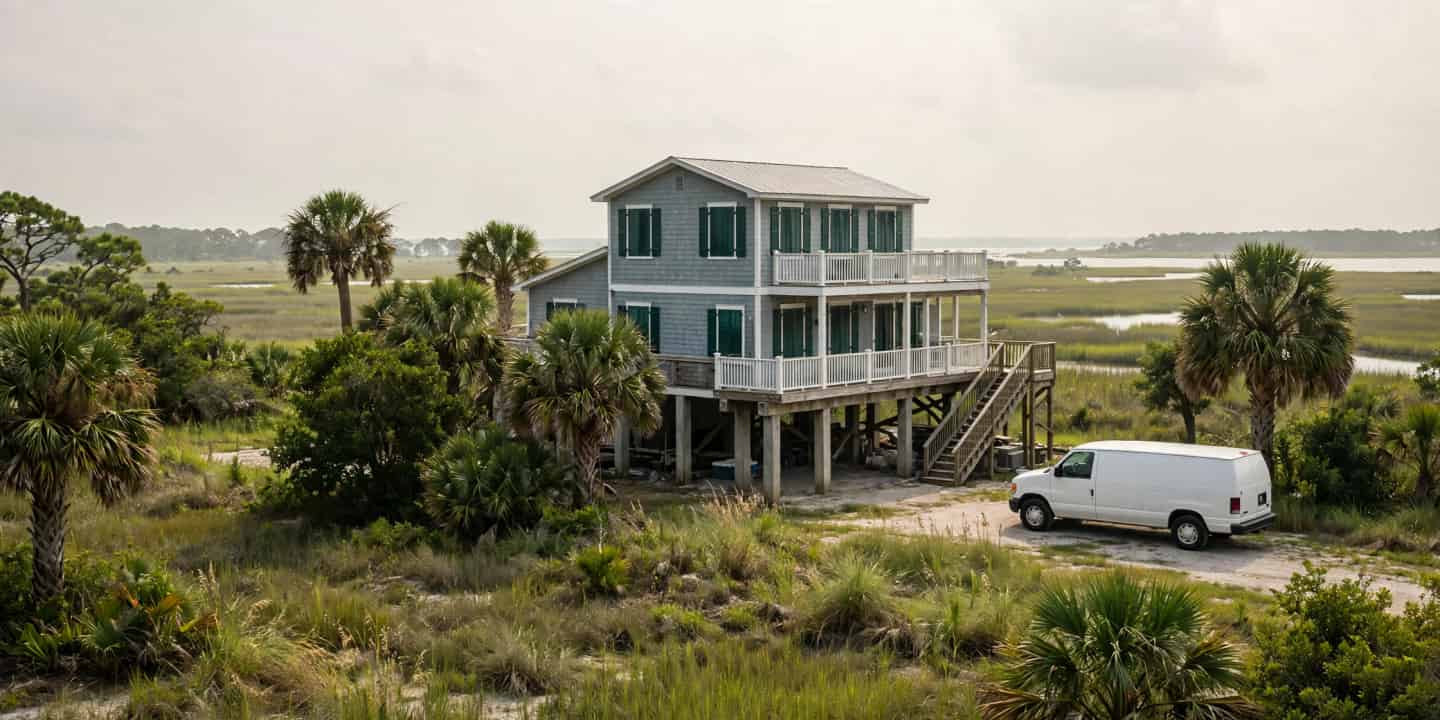
Miami electrical systems face hurricanes, salt air, flooding and humidity all at once. Hurricane Andrew in 1992 and Hurricane Irma in 2017 left long outages across Miami-Dade, and king-tide and rain flooding threaten equipment that sits low. Backup power, corrosion-resistant exterior equipment and surge protection are central to electrical planning here.
Free to call · Independent licensed electricians
Serving Coconut Grove, Little Havana, Shenandoah, Upper East Side, Brickell, Allapattah and every other Miami neighborhood.
Miami at a glance
Electrical services in Miami
The calls Miami homeowners make most, followed by every service independent licensed electricians handle here.
Not sure which service you need? Describe the problem and an electrician will tell you.
Call for Electrical Service in MiamiHousing and wiring
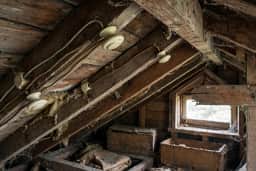
Miami has 1920s Mediterranean Revival and Art Deco homes, plus large numbers of mid-century concrete-block houses. Older homes often have undersized services and outdoor equipment that has corroded in the salt air.
Neighborhoods we cover
Local issues
Problems that come up again and again in local homes, and the service that fixes each one.
Generators with listed transfer equipment keep refrigeration, fans and medical devices running after storms. Portable generators must never be run indoors or in garages.
Generator InstallationMeter bases, disconnects and outdoor outlets corrode quickly. Periodic inspection and weather-resistant devices prevent failures and nuisance trips.
Electrical Safety InspectionSouth Florida thunderstorms bring frequent lightning. Whole-home surge protection helps protect AC equipment and electronics.
Whole-Home Surge ProtectionLocal guide
History, housing, weather and rules that shape electrical work in Miami, FL.
Miami-Dade County has dozens of municipalities, each with its own building department, plus large unincorporated areas served by the county. An address in the City of Miami goes through the city’s Building Department, while Coral Gables, Miami Beach, Hialeah and others have their own. Confirming the jurisdiction determines which permit rules and inspectors apply.
Coconut Grove has older homes under dense tree canopy. Little Havana has small homes and apartment buildings, many from the 1920s through the 1950s. Shenandoah and the Roads have Mediterranean Revival and mid-century homes. The Upper East Side has historic districts like MiMo, and Brickell and downtown are filled with high-rise condominiums.
Much of Miami lives in high-rise condominiums, where unit panels are fed from building risers and the association controls electrical rooms, generators and EV charging in garages. After the 2021 Surfside collapse, Florida tightened condo inspection and reserve requirements, and many buildings are undertaking major repairs that can include electrical systems.
Parts of Miami and Miami Beach flood during seasonal king tides even on sunny days, and heavy rain overwhelms drainage. Ground-floor units, garages and outdoor equipment are vulnerable. Raising electrical equipment and using flood-resistant materials during renovation protect homes.
After Hurricane Andrew in 1992, South Florida adopted some of the strictest building standards in the country. Exterior electrical equipment, including meters, disconnects and generators, must be mounted and anchored to withstand high winds.
Florida requires many high-rise residential buildings to have emergency generators for certain life-safety systems, and many single-family homes add standby or portable generators. Portable units must never run inside garages or on balconies.
Salt air and humidity corrode outdoor outlets, AC disconnects, meter sockets and pool equipment throughout Miami, especially near Biscayne Bay and the ocean. Corrosion-resistant equipment and regular inspection extend its life.
Insurers often require four-point inspections for older Miami homes and may decline those with fuse boxes, certain older panels or aluminum wiring. Electricians frequently replace panels and correct wiring so homeowners can obtain coverage.
Many Miami homes built in the 1920s through the 1960s have small services, ungrounded wiring and decades of additions. Concrete-block walls make running new wiring harder, so electricians often route circuits through attics and surface conduit.
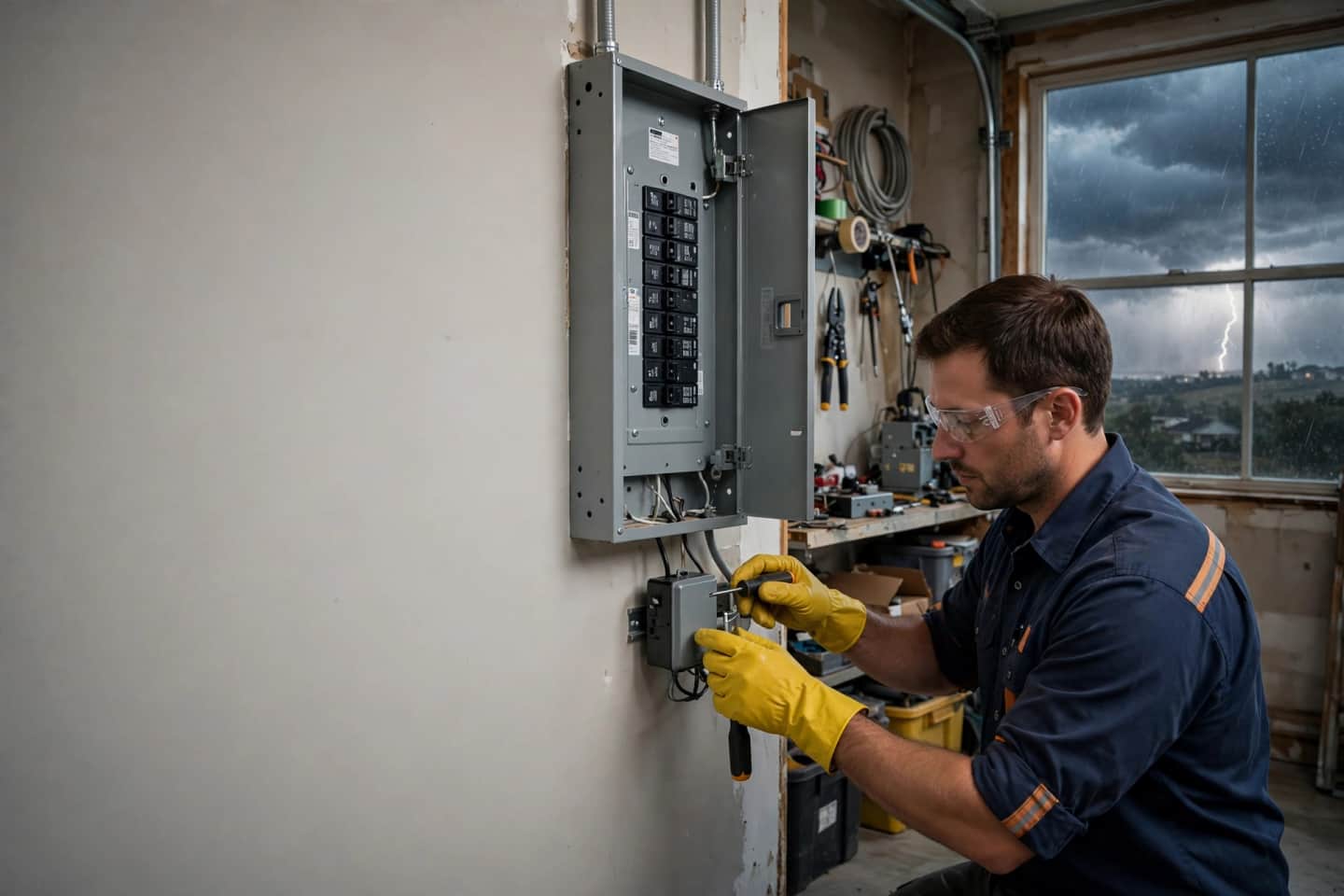
South Florida’s frequent thunderstorms bring lightning and power fluctuations. Whole-home surge protection helps protect air conditioning equipment and electronics, which are costly to replace.
Common requests include panel replacements for insurance, generator installations, surge protection, corrosion repairs, condo unit renovations, pool equipment bonding and hurricane damage repairs.
A large share of Miami’s single-family homes are mid-century concrete-block houses with flat or low-slope roofs and terrazzo floors. Their original wiring is often undersized for modern air conditioning, kitchens and electronics. Because block walls are hard to fish wires through, electricians usually route new circuits through the attic and drop them into walls, or use neat surface raceways on exterior walls.
Miami Beach, a separate city with its own building department, has Art Deco hotels, mid-century apartment buildings and luxury homes on a barrier island exposed to storm surge and tidal flooding. The city has raised streets and installed pumps, and many renovations now move electrical equipment higher. Salt air on the island is especially hard on outdoor equipment.
Miami has thousands of small apartment buildings from the 1940s through the 1970s, many with original electrical systems. Each unit may have a small panel and limited capacity, and tenants rely on window or wall air conditioners. Owners updating these buildings often replace meter centers and unit panels together.
Before hurricane season, Miami homeowners should test their generator, confirm it is connected through a transfer switch or interlock, check that outdoor equipment is anchored, and know how to switch off the main breaker. After a storm, keep power off if water reached outlets or the panel, and have an electrician inspect before reenergizing.
Rooftop solar is growing in Miami, often paired with batteries for hurricane resilience. Systems require permits, wind-rated mounting and FPL interconnection approval. Batteries can power refrigerators, fans and medical equipment during outages without the noise and carbon monoxide risk of generators.
EV ownership is growing quickly in Miami-Dade. Condo residents need association approval for chargers in shared garages, while single-family homeowners can add Level 2 chargers, often after a load calculation for older homes.
Pools are common in Miami homes, and their equipment sits in salty, humid air. Bonding, ground-fault protection and corrosion-resistant equipment keep pools safe and reliable.
Coconut Grove is one of Miami’s oldest neighborhoods, with banyans, oaks and palms arching over narrow streets. The canopy is part of its character, but it also drops limbs on overhead service drops during storms. Some owners convert to underground service during renovation to reduce storm damage and improve appearance.
Little Havana’s small homes and apartment buildings, many from the 1920s through the 1950s, often have original wiring and limited capacity. Renovations there typically include new meter centers, unit panels and rewiring, along with corrosion-resistant exterior equipment.
Miami electricians see a seasonal rhythm: generator and surge protection work before hurricane season, storm repairs and flood-related inspections during it, and renovations and condo projects in the cooler, drier months from November through April.
The Upper East Side, along Biscayne Boulevard, includes the MiMo historic district of mid-century modern motels and apartment buildings and neighborhoods like Morningside with 1920s homes. Renovations must respect historic designations while upgrading old electrical systems for modern loads and hurricane standards.
Brickell and downtown Miami have dozens of residential towers built since the 2000s. While their systems are newer, unit renovations, EV charging in garages and smart-home upgrades still require association approval and coordination with building engineers, who control access to electrical rooms and shutdown schedules.
Allapattah and Wynwood have seen warehouses and older homes turned into galleries, apartments and offices. Mixed-use conversions need new services, fire alarm coordination and careful planning for commercial and residential loads, and the City of Miami’s permit reviewers look closely at how those uses share electrical rooms and meters.
Questions
The City of Miami Building Department handles permits inside city limits; unincorporated Miami-Dade uses the county’s permitting office, and other cities like Coral Gables have their own.
Keep the power off to flooded areas and have an electrician inspect before re-energizing. Submerged outlets, breakers and panels usually need replacement.
Problem guides
Same-day help often available
Call an electrician in Miami
Describe the problem and your Miami neighborhood. Your call goes to an independent licensed electrician who works locally.
Call (855) 679-2483Smoke, flames or sparking? Leave the building and call 911 first.
Pronto Electrician is a free referral service. Calls are answered by independent licensed electricians in your area. Pronto Electrician does not perform electrical work, and the electrician you choose sets the price, schedule, permits and warranty.
Free to call · All 50 states + DC
Describe the problem and get connected with an independent licensed electrician who serves your area.