24 hour emergency service, electrical repair, panel upgrades, generator installation and EV chargers in Macon. Call (855) 679-2483 and get connected with an independent licensed electrician who works locally.
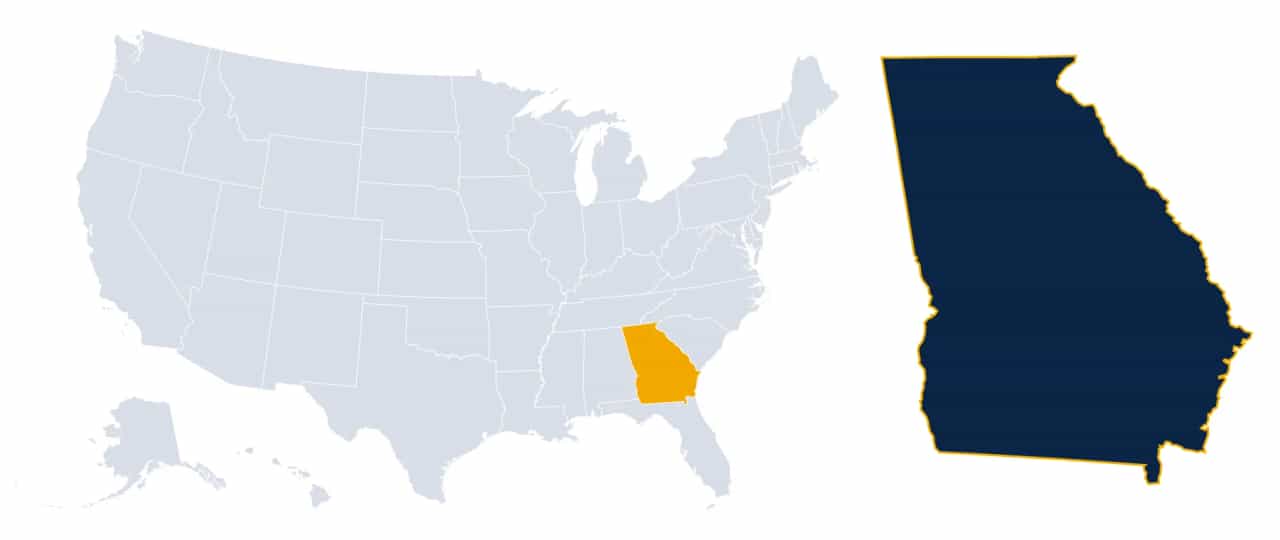
Macon sits on the Ocmulgee River in the middle of Georgia, about 85 miles southeast of Atlanta, and since 2014 it has been governed as the consolidated Macon-Bibb County. Georgia Power serves most homes. The city is known for its historic districts, its cherry blossom festival and Mercer University, and it has one of the largest collections of historic homes in the state. Older wiring, humid summers and storms moving up from the Gulf shape much of the electrical work here.
By calling, you agree to be connected with an independent electrician, who may call or text you back about your request at the number you call from. Calls may be recorded for quality and routing. Consent is not a condition of any purchase, and you can opt out at any time; message and data rates may apply. Privacy policy.
Serving Ingleside, Vineville, Shirley Hills, Beall’s Hill, Bloomfield, Lake Wildwood and every other Macon neighborhood.
Macon at a glance
Electric utility
Georgia Power serves most of Macon-Bibb County; some outlying areas are served by electric membership cooperatives
Permits and inspections
Macon-Bibb County Business Development Services (Building Inspections and Permits)
County
Bibb County (Macon-Bibb County)
ZIP codes include
31201 · 31204 · 31206 · 31210 · 31211 · 31216
Electrical services in Macon
What do you need help with in Macon, GA?
The calls Macon homeowners make most, followed by every service independent licensed electricians handle here.
Intown Macon and Vineville hold antebellum, Victorian and early-1900s homes, many with plaster walls and wiring updated in stages. Ingleside and Shirley Hills feature 1920s through 1940s houses on winding, tree-lined streets. Beall’s Hill near Mercer mixes restored historic homes and newer infill. Bloomfield and south Macon have many mid-century brick ranch homes, while north Macon around Lake Wildwood and toward Bass Road has newer subdivisions built from the 1970s onward.
Problems that come up again and again in local homes, and the service that fixes each one.
01
Historic homes with mixed-era wiring
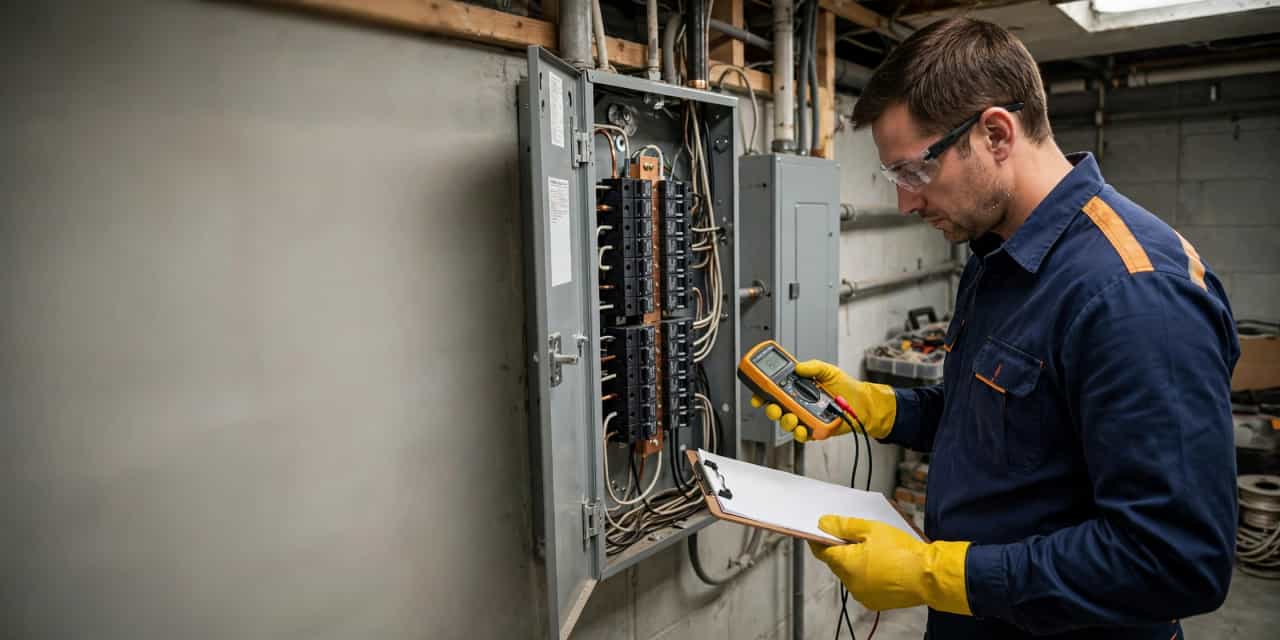
Vineville, Intown and Ingleside houses can contain knob-and-tube, cloth-covered cable and later additions side by side. An inspection identifies what is still live before renovation or insurance review.
Large oaks and pines over Macon streets bring down service drops during thunderstorms and tropical remnants. After the utility makes lines safe, damaged masts and meter bases on the house side need repair.
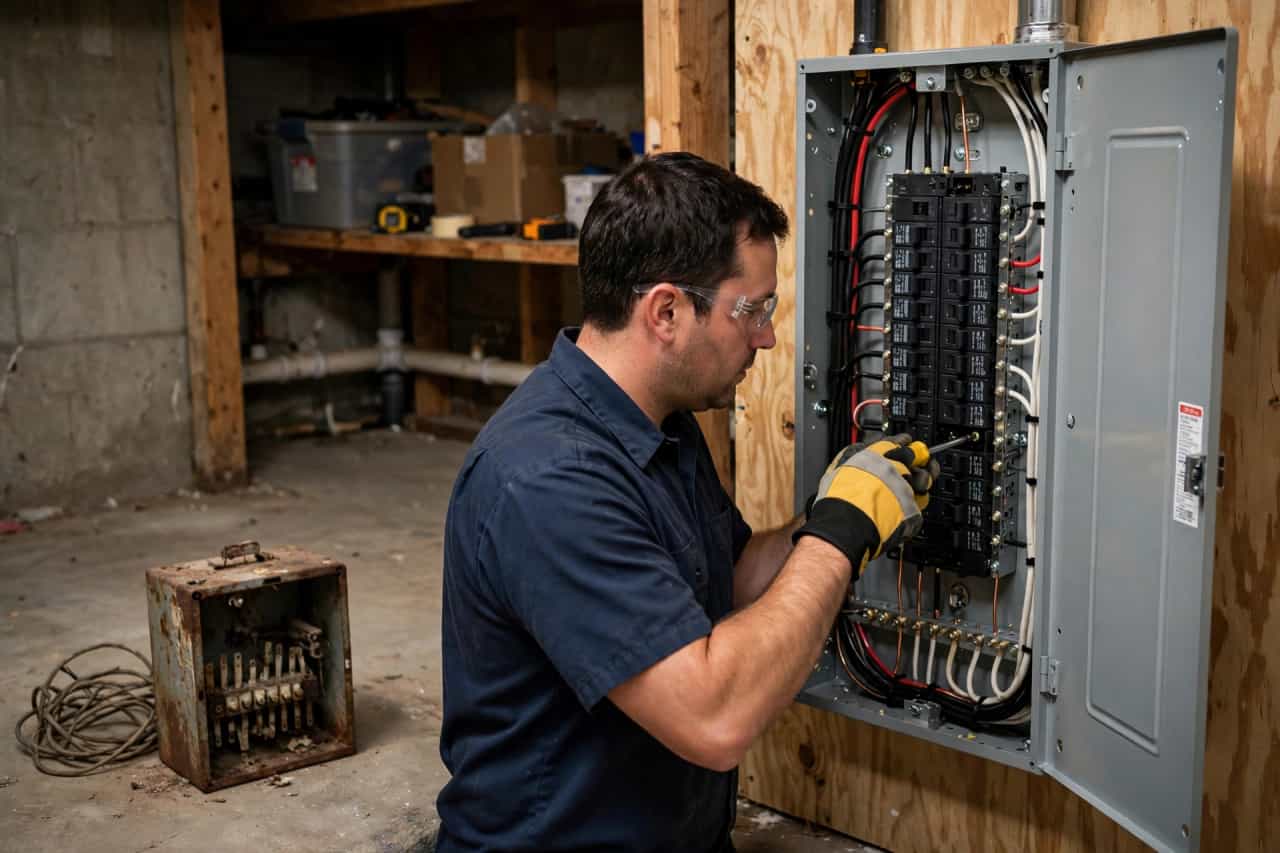
Brick ranch homes from the 1950s and 1960s often have small services and full panels. Adding central air, a heat pump or an EV charger usually requires a panel upgrade.
History, housing, weather and rules that shape electrical work in Macon, GA.
A consolidated city and county since 2014
Macon and Bibb County merged their governments in January 2014, creating Macon-Bibb County. For homeowners, that means one consolidated office handles permits and inspections across most of the county rather than separate city and county departments. Residents who remember the old split may still find outdated paperwork or references. Check the current Macon-Bibb County website before starting a project that needs a permit.
Georgia Power and cooperative service
Georgia Power serves most Macon homes and businesses and handles outages, meters and new service connections. Some properties in outlying areas of the county may be served by an electric membership cooperative instead. Checking your bill is the easiest way to know whom to call during an outage and whom to coordinate with if you need a service upgrade or meter relocation.
Intown Macon and its historic houses
Macon’s downtown and Intown district include grand nineteenth-century homes, some built before the Civil War. Many have been converted to offices, apartments or bed-and-breakfasts, and wiring has been added over generations. Electricians working in these homes often find a mix of old and new systems, abandoned circuits and junctions buried in walls. Careful planning protects historic plaster and woodwork while bringing systems up to modern standards.
Vineville’s Victorian corridor
The Vineville area along Vineville Avenue holds Victorian and early twentieth century homes with high ceilings, tall windows and plaster walls. Older houses here may still have knob-and-tube wiring in attics or walls, especially where previous owners added new circuits without removing old ones. Many insurers ask about wiring age. An inspection documents what exists and helps owners decide whether partial or full rewiring is needed.
Ingleside and Shirley Hills
Ingleside and Shirley Hills, developed largely in the 1920s through the 1940s, are known for winding streets, mature trees and a variety of revival-style homes. Original two-wire circuits without grounds are common, as are small panels upgraded once in the 1960s or 1970s. Homeowners adding central air, modern kitchens or home offices usually need new circuits and sometimes a larger service to support today’s loads.
Beall’s Hill and Mercer University
Beall’s Hill, next to Mercer University, has seen restoration of historic homes alongside new infill houses built to fit the neighborhood’s style. Student and faculty rentals are common. Restorations often involve complete rewiring while walls are open, and new construction brings modern panels and dedicated circuits. Landlords should check older rentals for overloaded circuits and worn receptacles between tenants.
Mid-century brick homes in Bloomfield and south Macon
Bloomfield and much of south and east Macon include brick ranch homes built in the 1950s and 1960s. These houses often have 100-amp or smaller services and panels with no spare spaces. Owners adding central air, an electric range, a heat pump water heater or an EV charger may need a panel upgrade. Older homes may also lack ground-fault protection in kitchens and bathrooms.
North Macon and Lake Wildwood
North Macon around Lake Wildwood and the Bass Road and Zebulon Road corridors developed later, with subdivisions from the 1970s onward. Homes here are larger, often with basements or bonus rooms, detached garages and pools. Common projects include generator connections, landscape lighting, dock power and EV charging. Lakefront electrical work needs proper ground-fault protection and wiring methods rated for wet locations.
The Ocmulgee River and the 1994 flood
In July 1994, Tropical Storm Alberto stalled over Georgia and the Ocmulgee River flooded parts of Macon, flooding the city’s water treatment plant and leaving many residents without running water for close to three weeks. Floods like that put panels, outlets and appliances underwater. Electrical equipment that has been submerged should be evaluated and generally replaced, not simply dried out and turned back on. Homes in low-lying areas benefit from elevated equipment during renovations.
Tropical storm remnants from the Gulf and Atlantic
Macon lies far inland, but tropical systems still bring heavy rain and strong wind. Remnants of hurricanes have downed trees and caused widespread outages across Middle Georgia, including Hurricane Michael in 2018 and Hurricane Helene in 2024. After storms, check for damage to the service drop, mast and meter base. Stay away from downed lines and let the utility clear them before any repairs begin.
Thunderstorms, lightning and surges
Middle Georgia summers bring frequent afternoon thunderstorms with lightning. Surges can damage heat pumps, appliances, televisions and computers. A whole-home surge protective device installed at the panel reduces the size of surges entering the house, and plug-in protectors add protection for sensitive electronics. These devices wear out after big surges, so check indicator lights periodically.
Heat, humidity and outdoor equipment
Hot, humid Macon summers keep air conditioners and heat pumps running hard. Humidity can corrode outdoor disconnects, receptacle covers and meter bases. A breaker that trips repeatedly on the condenser circuit or a scorched disconnect needs attention before peak season. Outdoor outlets should have weather-resistant, ground-fault protected receptacles and in-use covers.
Red clay and underground runs
Much of Middle Georgia has red clay soils near the Fall Line, where the Piedmont meets the Coastal Plain. Clay holds water and can make trenching messy after rain. Underground feeders to garages, workshops or pool equipment must be buried to proper depths in suitable conduit. Before digging, call Georgia 811 so underground utilities are marked.
Cherry blossom season and downtown businesses
Each spring the International Cherry Blossom Festival brings visitors to Macon, and downtown restaurants, shops and event venues get busy. Commercial spaces in older buildings often need upgraded panels, lighting improvements and dedicated circuits for kitchen equipment. Working in historic commercial buildings requires care with brick walls and original details. Planning before the season keeps businesses ready.
Rewiring decisions in historic districts
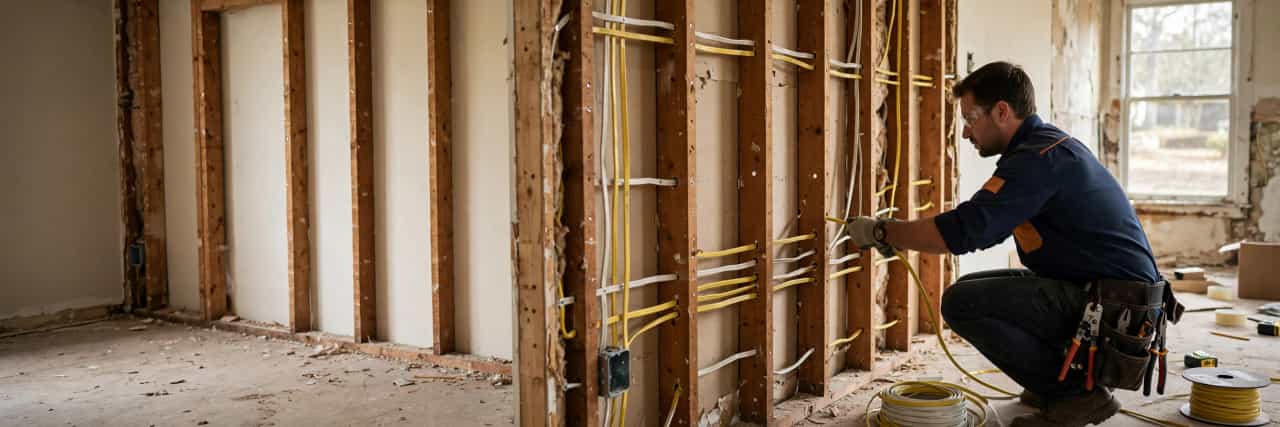
Whether to partially or fully rewire an older Macon home depends on what is in the walls, how the house is used and the owner’s renovation plans. Full rewiring is often easiest while walls are open, but skilled electricians can fish new wiring through older homes with minimal damage. Homes in local historic districts may need approval for exterior changes such as meter relocation.
Generators for storm season
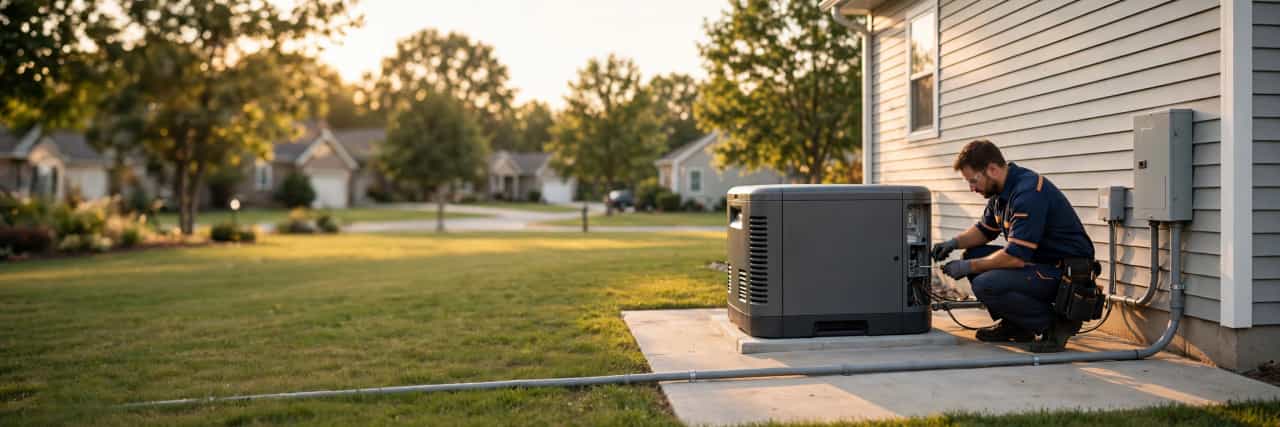
Because storms can take down trees and lines for days, many Macon homeowners consider standby or portable generators. Any generator connected to house wiring needs a transfer switch or approved interlock so it never sends power back into utility lines. Portable generators should run outside, away from doors and windows. An electrician can size the connection to the loads you want to keep running.
Permits from Macon-Bibb County
Macon-Bibb County Business Development Services handles building and electrical permits for most of the county. Panel replacements, new circuits, generators, EV chargers and rewiring projects generally require permits and inspections. Licensed electricians typically pull permits for their work. Keeping a record of finalized permits helps with insurance and resale.
Signs that need immediate action
A burning smell, sparking, buzzing outlets, a hot panel or water near electrical equipment calls for immediate action. Keep people away. Turn off the main or the affected breaker only if you can safely reach it without standing in water. If there is smoke or fire, leave the house and call 911. Once everyone is safe, call (855) 679-2483 for a licensed electrician.
Connecting with a Macon electrician
Pronto Electrician is a call-only service. Call (855) 679-2483 and you will be connected with an independent licensed electrician who works in Macon-Bibb County. Describe the problem, the age of the home and whether the outage affects part or all of the house. The electrician will discuss scheduling and pricing with you directly.
Questions
Questions from Macon, GA homeowners
Is there a 24 hour emergency electrician in Macon, GA?+
Yes. Call (855) 679-2483 any time, day or night, and you are connected with an independent licensed electrician who covers Macon, including Ingleside, Vineville, Shirley Hills. For sparks, smoke or a hot panel, call 911 first.
Who handles electrical repair and generator installation in Macon?+
Licensed electrical contractors working in Bibb County (Macon-Bibb County) handle outlet and switch repair, circuit troubleshooting, panel work and standby generator installation. Permits go through Macon-Bibb County Business Development Services (Building Inspections and Permits).
Who issues electrical permits in Macon?+
Macon-Bibb County Business Development Services issues building and electrical permits for the consolidated city and county. Properties in nearby counties, such as Houston County around Warner Robins or Jones County, use their own offices.
Who do I call if my power keeps going out in Macon?+
If the neighborhood is out, report the outage to Georgia Power or your electric cooperative. If only your house or certain circuits keep losing power, call (855) 679-2483 to be connected with a licensed electrician.
Who licenses electricians in Georgia?+
Georgia’s State Construction Industry Licensing Board, through its Division of Electrical Contractors, licenses electrical contractors. You can verify a license through the Georgia Secretary of State’s licensing lookup.
By calling, you agree to be connected with an independent electrician, who may call or text you back about your request at the number you call from. Calls may be recorded for quality and routing. Consent is not a condition of any purchase, and you can opt out at any time; message and data rates may apply. Privacy policy.
Free to call
Explain the problem in plain words
Connect with an independent licensed electrician near you
Smoke, flames or sparking? Leave the building and call 911 first.
Pronto Electrician is a free referral service. The electricians you are connected with are independent contractors, not employees or agents of Pronto Electrician. Pronto Electrician does not perform electrical work, and the electrician you choose sets the price, schedule, permits and warranty.
By calling, you agree to be connected with an independent electrician, who may call or text you back about your request at the number you call from. Calls may be recorded for quality and routing. Consent is not a condition of any purchase, and you can opt out at any time; message and data rates may apply. Privacy policy.