Vermont’s mountains and river valleys make floods its signature disaster. Tropical Storm Irene in 2011 caused the worst flooding in generations, and July 2023 and July 2024 brought more devastating floods to Montpelier, Barre and other towns. Vermont also leads in clean energy, with Burlington drawing all of its power from renewable sources and the state’s largest utility installing home batteries across its territory.
The hazards that drive the most electrical calls here, and how homeowners prepare for them.
Winter storms and cold
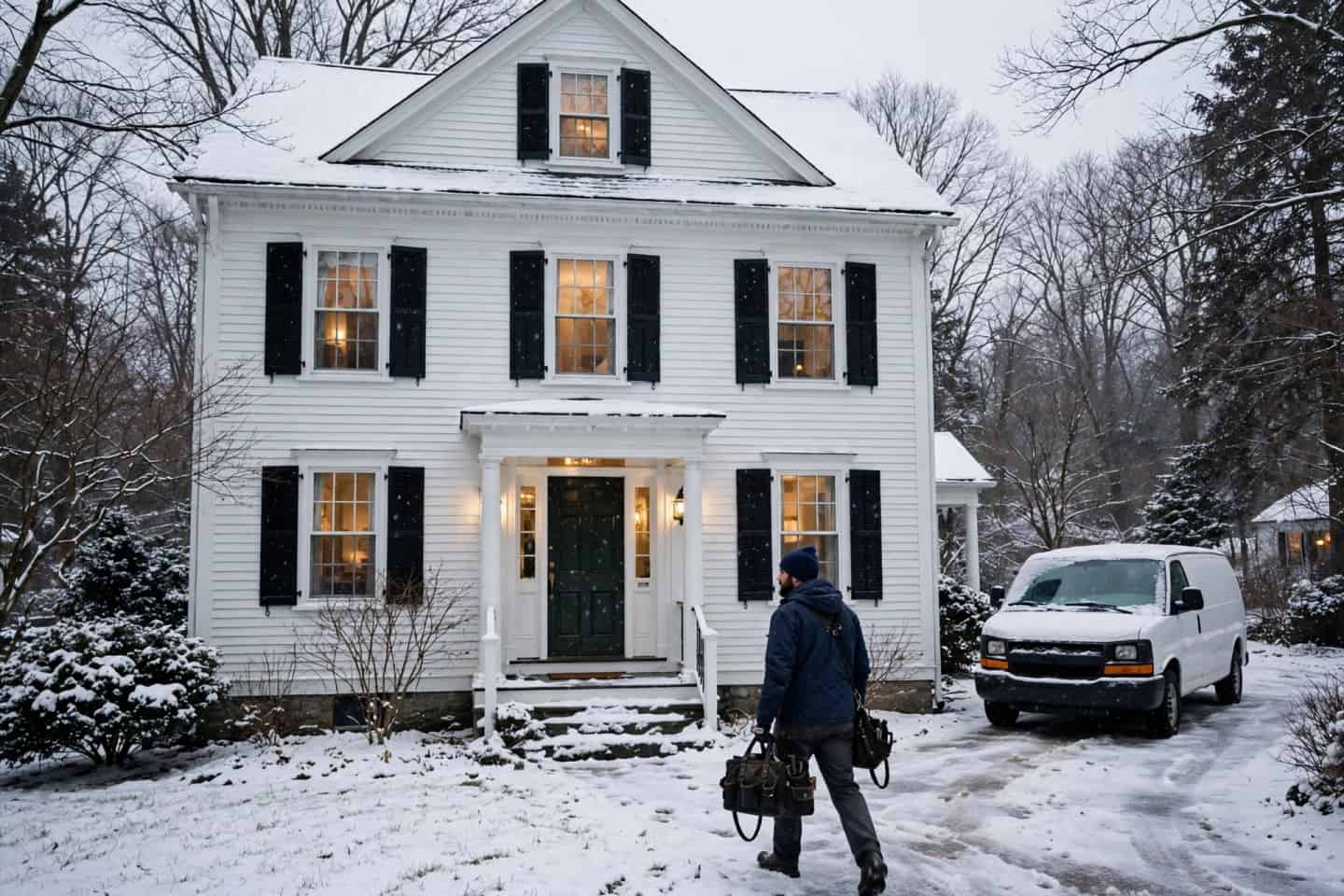
Heavy snow and wind cause outages when heating demand is highest. Generators, dedicated circuits for space heaters, and heat-tape circuits with GFCI protection are common winter projects. Avoid running heaters through extension cords or power strips.
Ice accumulation brings down lines and trees across wide areas, often for days. Backup power planning matters, and overhead service drops near trees should be checked for damage after ice events.
Electrical equipment that has been underwater — panels, outlets, breakers, appliances — generally must be replaced, not dried and reused. Do not re-energize a flooded home until an electrician has inspected it.
Independent licensed electricians serve communities across Vermont.
Also serving
Burlington
South Burlington
Rutland
Montpelier
State guide
Electrical work in Vermont
Vermont’s utilities
Green Mountain Power serves most Vermonters. The Vermont Electric Cooperative serves much of the northern part of the state, the Burlington Electric Department serves Burlington, and more than a dozen municipal utilities serve towns such as Stowe, Hardwick and Morrisville. There is no retail choice, so your utility sets the rules for service upgrades, solar interconnection and battery programs.
Licensing and inspections
Vermont licenses electricians through the Division of Fire Safety, with master and journeyman licenses among others. Licenses can be verified online.
Permit and inspection requirements depend on the type of building and the work, with the Division of Fire Safety handling electrical permits for many projects. Ask your electrician what applies to your home before starting.
Irene and the floods of 2023 and 2024
In August 2011, Tropical Storm Irene dropped heavy rain across Vermont, washing out roads, bridges and homes in towns such as Waterbury, Wilmington and Rochester. In July 2023, flooding inundated downtown Montpelier and Barre, and in July 2024, floods struck many of the same areas again.
Homes in river valleys face repeated flood risk. Electrical equipment that has been underwater must be replaced, and power should stay off until it has been inspected. Raising panels and equipment above flood levels during repairs reduces damage the next time.
Home batteries and clean energy
Green Mountain Power has offered home battery programs that help customers keep power during outages while letting the utility draw on stored energy during peaks. Burlington Electric was among the first U.S. cities to source all of its power from renewable sources. Rooftop and community solar are widespread.
Battery systems require permits, utility approval and often a backup panel for essential circuits.
Heat pumps and weatherization
Vermont encourages cold-climate heat pumps and weatherization through Efficiency Vermont and utility programs. Older farmhouses often need knob-and-tube wiring addressed before insulation can be added, and adding heat pumps may require a service upgrade.
Farmhouses and village homes
Vermont’s farmhouses, village Victorians and connected barns often have wiring that dates back decades, extended many times. Dairy barns have their own electrical challenges, including moisture, dust and the need for dependable power for milking equipment and coolers.
Ski areas and vacation homes
Stowe, Killington, Stratton, Okemo and other ski areas have condos and second homes with hot tubs, electric heat and heated driveways. Heavy snow, long outages and absentee owners make backup heat and periodic inspection important.
Ice, snow and long outages
Ice storms and heavy snow bring trees down on lines across Vermont’s forests, and some rural roads take days to restore. Generators connected through listed interlocks, or batteries, keep heat, wells and refrigeration running.
Wells and rural homes
Most rural Vermont homes rely on wells. When the power fails, the water stops. A generator or battery sized for the well pump, heating and refrigeration is the foundation of an outage plan.
Common electrical calls in Vermont
Frequent requests include flood repairs, heat pump circuits, battery and solar work, generator installations, knob-and-tube replacement, barn wiring and storm repairs.
Sugarhouses and maple operations
Vermont produces more maple syrup than any other state, and modern sugarhouses depend on electricity for vacuum pumps, reverse-osmosis machines, lighting and controls. Sugarhouses are steamy and often far from the main house, so they need properly sized feeders, damp-location fixtures and ground-fault protection. Sugaring season runs in late winter, so electrical work is best scheduled in summer or fall.
Mobile home parks in flood plains
Tropical Storm Irene destroyed or damaged manufactured homes in several flood-prone parks, and later floods struck some again. Homes in river valleys face repeated risk. Meter pedestals and feeders should be inspected after any flooding, and replacement homes are increasingly placed above flood levels or outside the flood plain.
Montpelier and downtown recovery
After the July 2023 floods filled downtown Montpelier and Barre basements and storefronts, many buildings needed new electrical services, panels and wiring. Moving electrical equipment above the flood line became a common part of rebuilding.
Burlington rentals
Burlington and Winooski have large rental markets serving the University of Vermont and Champlain College. Older houses converted to apartments often have overloaded circuits and small services, and Burlington’s rental inspection program checks basic electrical safety.
Ice dams and roof cables
Heavy snow and cold create ice dams on older Vermont roofs. Roof heating cables need GFCI-protected circuits and controllers, and service masts should be braced against snow sliding off metal roofs.
EVs in a cold, rural state
Vermont offers incentives for EVs and chargers, and many owners drive long rural distances. Cold weather reduces range, so a Level 2 charger in a garage or under cover is valuable. Older farmhouses may need a load calculation before adding a charger.
Buying an old farmhouse
Inspections of Vermont farmhouses often find knob-and-tube wiring, barn feeders spliced in long ago, ungrounded outlets and fuse panels. Weatherization programs may require knob-and-tube to be addressed before insulation. An electrician’s written evaluation helps buyers plan.
Frozen pipes and heat tape
Heat tape on dedicated GFCI-protected circuits keeps water lines in crawl spaces and barns from freezing. Worn heat tape is a fire risk and should be checked each fall.
Dairy farms and bulk tanks
Vermont’s dairy farms depend on milking equipment, vacuum pumps, bulk tank coolers and barn ventilation that cannot wait for power to be restored. Standby generators with automatic transfer switches are standard on many farms. Barn wiring must handle moisture, ammonia and dust, and periodic inspection prevents fires.
Generators and batteries
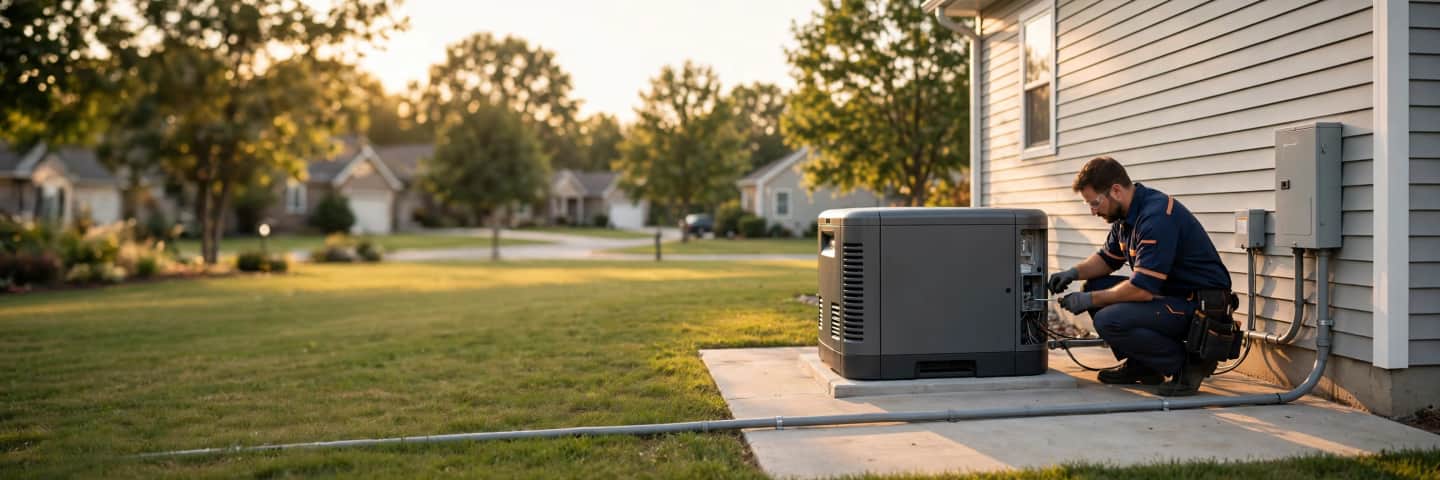
Vermonters often choose between a propane generator, a portable generator with an interlock, or a utility-supported home battery. Batteries are quiet and work well for shorter outages, while generators run longer during multi-day storms. Either way, plan for the well pump and heating system first.
Ski condo associations
Condominiums at Vermont ski resorts share electrical rooms and services, and owners who want EV chargers, heat pumps or hot tubs need association approval and sometimes building-wide upgrades.
Rutland, Bennington and older towns
Rutland, Bennington, St. Johnsbury, Brattleboro and other older towns have Victorian homes and multifamily buildings with old wiring and small services. Renovations frequently uncover knob-and-tube wiring and patched circuits.
Lightning and surge protection
Summer thunderstorms bring lightning to Vermont’s hills and valleys, damaging heat pump boards, well pump controllers and milking equipment controls. A surge protective device at the panel is inexpensive protection.
Covered porches and old barns as living space
Vermonters often convert porches, ells and barns into living space, studios or workshops. These conversions need new circuits sized for heat and lighting, proper grounding and feeders, and an inspection of whatever old wiring is already there.
Mud season scheduling
Mud season on Vermont’s dirt roads can make it hard for trucks to reach homes in April, so outdoor electrical projects are usually scheduled for summer and fall.
Basements and the spring melt
Vermont basements often take on water during the spring melt and summer downpours, and sump pumps stop when the power does. A battery backup pump or generator circuit keeps them running. Panels, water heaters and furnaces in damp basements should be checked for corrosion, and in flood-prone river valleys, moving the main panel to a higher floor during renovation protects it from the next flood.
Working with an electrician in Vermont
Confirm the electrician’s license with the Division of Fire Safety, ask what permit applies, and get a written scope. For batteries and heat pumps, ask about Green Mountain Power, Efficiency Vermont or your municipal utility’s programs.
Electrical licensing and permits in Vermont are set by state and local authorities. The electrician confirms what applies to your project.
Services
Most requested in Vermont
Ranked by how many of this state’s climate risks each service addresses.
Connect with an independent licensed electrician near you
Smoke, flames or sparking? Leave the building and call 911 first.
Pronto Electrician is a free referral service. Calls are answered by independent licensed electricians in your area. Pronto Electrician does not perform electrical work, and the electrician you choose sets the price, schedule, permits and warranty.
Free to call · All 50 states + DC
Talk to a licensed electrician in Vermont
Describe the problem and get connected with an independent licensed electrician who serves your area.