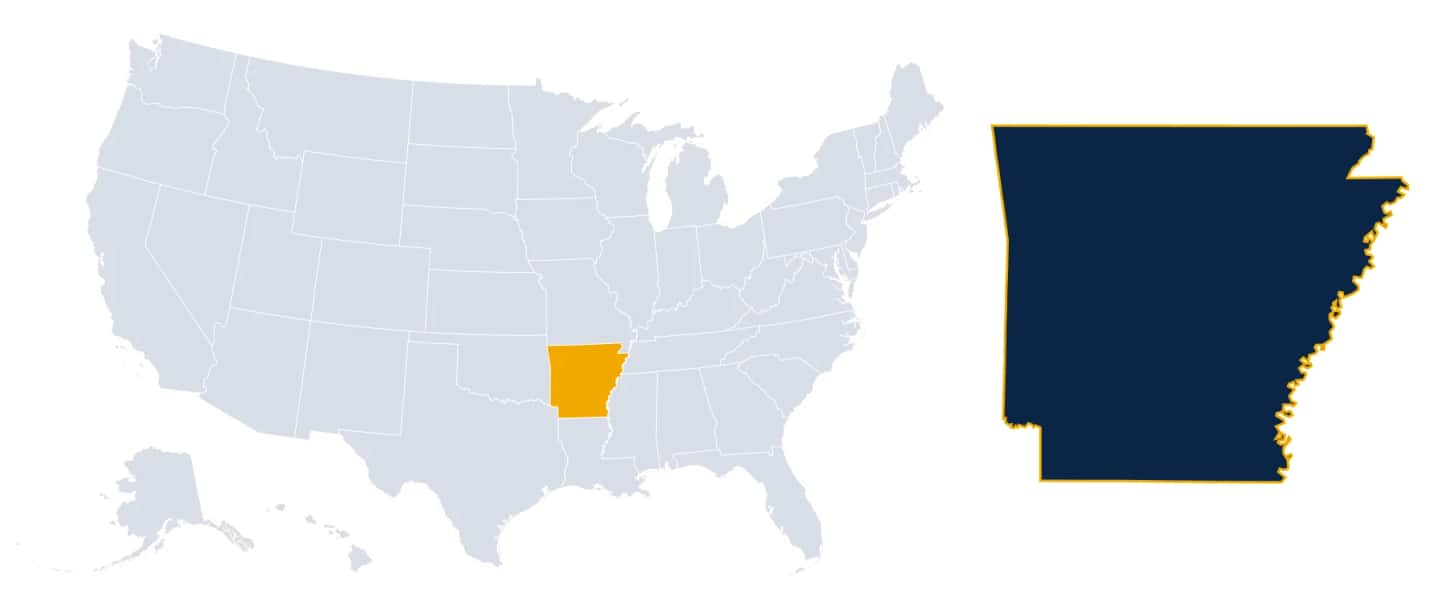
Arkansas sees tornadoes almost every spring — Little Rock was struck by an EF3 tornado in March 2023 — along with ice storms that have left northern Arkansas dark for weeks, river floods, and long humid summers. Northwest Arkansas is one of the fastest-growing regions in the South, while the Ozark lakes and Hot Springs attract vacation homes.
The hazards that drive the most electrical calls here, and how homeowners prepare for them.
Severe storms and tornadoes
Storm damage can tear service masts and meter bases from the home. After a storm, look for a leaning mast or pulled service cable and keep clear — the utility side stays energized. Repairs to the mast and meter base are usually the homeowner’s responsibility.
Ice accumulation brings down lines and trees across wide areas, often for days. Backup power planning matters, and overhead service drops near trees should be checked for damage after ice events.
Nearby strikes send surges through power and communication lines. A whole-home surge protective device at the panel, a sound grounding system and point-of-use protection for electronics reduce damage to appliances and HVAC controls.
Independent licensed electricians serve communities across Arkansas.
Also serving
Little Rock
Fayetteville
Fort Smith
Springdale
Jonesboro
State guide
Electrical work in Arkansas
Arkansas’ utilities
Entergy Arkansas serves Little Rock and much of the state. Southwestern Electric Power Company serves much of Northwest and Southwest Arkansas, and Oklahoma Gas and Electric serves the Fort Smith area. Seventeen electric cooperatives serve much of rural Arkansas, and cities such as Conway, North Little Rock and Jonesboro run their own utilities.
Arkansas homes cannot choose a retail supplier. Your utility sets the rules for service upgrades, generator connections and reconnection.
Licensing and permits
Arkansas licenses electricians — including master, journeyman and residential master electricians — through the Department of Labor and Licensing’s Board of Electrical Examiners, and electrical contractors through the Contractors Licensing Board. Licenses can be verified online.
Cities and counties issue permits and inspect work under the adopted codes. Panel upgrades, new circuits, generators, EV chargers and storm repairs require permits.
Tornadoes
Tornadoes strike Arkansas every year. In April 2014, an EF4 tornado devastated Mayflower and Vilonia, and on March 31, 2023, an EF3 tornado cut across west Little Rock and North Little Rock, damaging thousands of structures. Storm damage to service drops, masts and meter bases must be repaired by an electrician before reconnection.
Ice storms
In January 2009, a severe ice storm coated northern Arkansas, bringing down trees and lines and leaving many homes without power for weeks. Ice storms remain a serious risk in the Ozarks and northern counties. Backup power for heating, wells and refrigeration, connected through a transfer switch or listed interlock, is the most important preparation.
River flooding
In 2019, the Arkansas River reached record levels, flooding communities from Fort Smith to Pine Bluff. Flash flooding is common in the Ozarks and Ouachitas. Electrical equipment that has been underwater must be replaced, and raising panels and equipment during repairs reduces future damage.
Heat, humidity and lightning
Long, humid summers keep air conditioners running and stress older panels and connections. Frequent thunderstorms bring lightning that damages heat pump control boards and electronics, so whole-home surge protection is worthwhile. Humidity causes corrosion in crawl spaces and outdoor outlets.
Northwest Arkansas growth
Bentonville, Rogers, Springdale and Fayetteville have grown rapidly, with many new homes and apartments. New homes usually have 200-amp services, but EV chargers, generators and finished spaces can fill panels quickly. Older neighborhoods near the University of Arkansas have rentals that need regular updates.
Little Rock housing
Little Rock’s Quapaw Quarter, Hillcrest and the Heights have homes from the late 1800s through the 1940s with knob-and-tube wiring, fuse panels and small services. Exterior changes in historic districts may need review. Much of west Little Rock and the suburbs is newer construction.
Ozark lakes and docks
Beaver Lake, Bull Shoals, Greers Ferry, Lake Ouachita and Lake Hamilton are lined with homes that have docks and boat lifts. Faulty dock wiring can energize the water and create a risk of electric shock drowning. Docks need ground-fault protection, correct bonding and wet-location wiring.
Hot Springs and vacation homes
Hot Springs and the surrounding lakes attract vacation homes and short-term rentals. Heavy use and long vacancies make periodic electrical inspection valuable, and hot tubs and outdoor areas need GFCI protection.
The New Madrid zone
Northeast Arkansas, including Jonesboro and Blytheville, lies near the New Madrid seismic zone. After any significant earthquake, check for meter bases pulled from walls, damaged masts or burning smells.
The Delta and rural Arkansas
The Arkansas Delta is flat, agricultural and rural, with cooperatives, long service runs and irrigation pumps. Manufactured homes are common throughout rural Arkansas and should have their meter pedestals and feeders checked after storms. Wells need backup power during outages.
Heat pumps and backup heat
Heat pumps are common across Arkansas. During cold snaps, backup electric heat strips draw large currents and stress breakers and connections. Checking those circuits helps prevent overheating.
Regional differences
Northwest Arkansas is growing fastest, with new homes and lakes. Central Arkansas around Little Rock combines older neighborhoods with tornado risk. The Ozarks and Ouachitas have lakes, vacation homes and ice storms. The Delta is rural and flat. Southern Arkansas has timberland and cooperatives.
Common electrical calls in Arkansas
Frequent requests include storm repairs, generator and interlock installations, surge protection, panel upgrades, rewiring older homes, dock wiring and heat pump circuit work.
Manufactured homes and tornado safety
Manufactured homes are common across rural Arkansas and are especially vulnerable to tornadoes. Their meter pedestals and feeders are exposed to wind, settling and equipment damage, and should be inspected after every severe storm. Older units may need updated panels and wiring, and access to a nearby storm shelter is critical.
Crawl spaces and humidity
Many Arkansas homes are built over crawl spaces where humidity, standing water and pests damage wiring over time. Open splices, damaged cable and corroded connections are common findings. A crawl-space inspection by an electrician, especially before buying a home, often reveals problems that a general inspection misses.
Solar and net metering changes
Arkansas changed its net metering rules in 2023, reducing the credit new rooftop solar customers receive for exported power. That shift makes batteries more attractive for storing solar for evening use and outages. Any solar or battery system requires a permit and utility interconnection approval.
College towns
Fayetteville, Conway, Jonesboro and Arkadelphia have large student rental markets. Older houses converted to apartments often have overloaded circuits and outdated panels, and landlords commonly need GFCI protection, smoke alarms and panel upgrades between tenants.
Generators and fuel choices
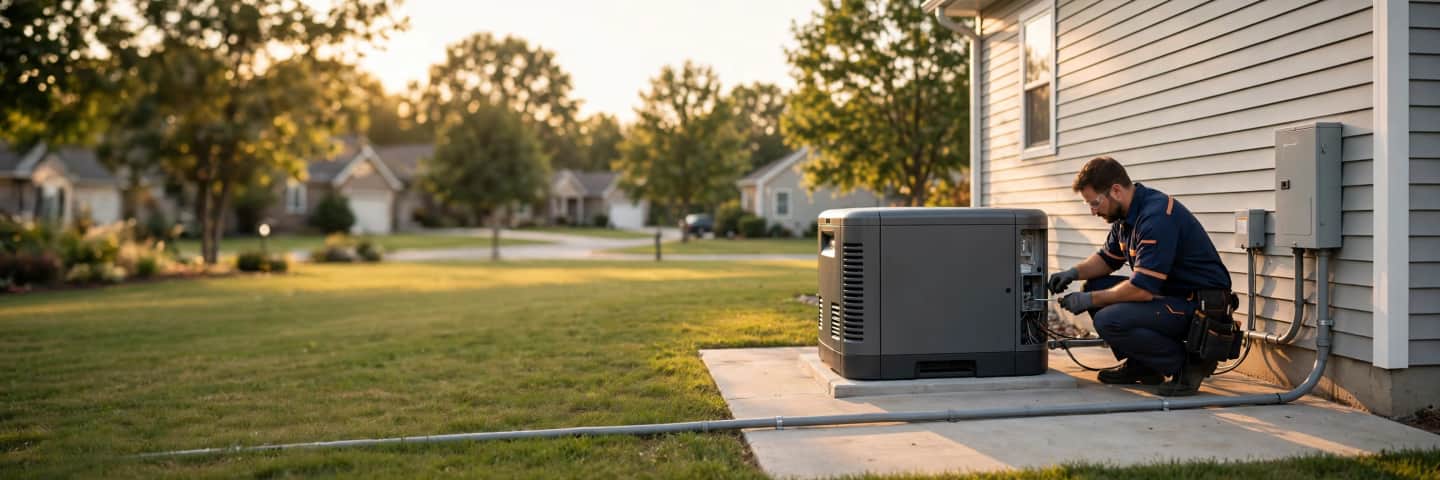
Since the 2009 ice storm, generators have become common in northern Arkansas. Standby units on natural gas or propane, or portable generators connected through a listed interlock, keep heat, wells and refrigeration running. Generators must run outdoors away from windows and doors.
Pools and outdoor living
Pools, outdoor kitchens and covered patios are common in Little Rock and Northwest Arkansas suburbs. Pool equipment requires correct bonding and GFCI protection, and outdoor circuits need weather-resistant devices.
Buying an older Arkansas home
Inspections of older Arkansas homes often find fuse panels, ungrounded outlets, crawl-space wiring problems and amateur additions. An electrician’s written evaluation clarifies what must be fixed before closing.
Surge protection and storm season
Arkansas’ spring storm season brings both tornadoes and frequent lightning. Whole-home surge protection, combined with point-of-use protection for electronics, limits damage to heat pumps, appliances and well pump controllers.
Historic Eureka Springs and Hot Springs
Eureka Springs’ Victorian hillside homes and Hot Springs’ historic districts have older wiring, steep lots and many rentals. Rewiring these homes requires care around historic finishes, and exterior changes may need review.
Heat tape and winter freezes
Occasional hard freezes in Arkansas catch homes with exposed pipes off guard. Heat tape on dedicated GFCI-protected circuits, installed correctly, is safer than improvised solutions.
EV charging in Northwest Arkansas
EV ownership is growing fastest in Northwest Arkansas, where many newer homes have attached garages and 200-amp services that make a Level 2 charger straightforward. Older homes in Fayetteville and Little Rock may need a load calculation first, and load-management devices can sometimes avoid a service upgrade.
Ice-laden limbs and service drops
Arkansas winters rarely bring the heavy snow that damages roofs farther north, but ice-laden limbs are a constant threat to overhead service drops. Trimming trees away from the service drop before winter is one of the cheapest ways to avoid an outage.
Working with an electrician in Arkansas
Verify the electrician’s and contractor’s licenses, ask who will pull the permit, and get a written scope. For storm repairs and service upgrades, ask how the electrician will coordinate with Entergy Arkansas, SWEPCO, OG&E, your cooperative or your city utility.
Electrical licensing and permits in Arkansas are set by state and local authorities. The electrician confirms what applies to your project.
Services
Most requested in Arkansas
Ranked by how many of this state’s climate risks each service addresses.
Connect with an independent licensed electrician near you
Smoke, flames or sparking? Leave the building and call 911 first.
Pronto Electrician is a free referral service. Calls are answered by independent licensed electricians in your area. Pronto Electrician does not perform electrical work, and the electrician you choose sets the price, schedule, permits and warranty.
Free to call · All 50 states + DC
Talk to a licensed electrician in Arkansas
Describe the problem and get connected with an independent licensed electrician who serves your area.