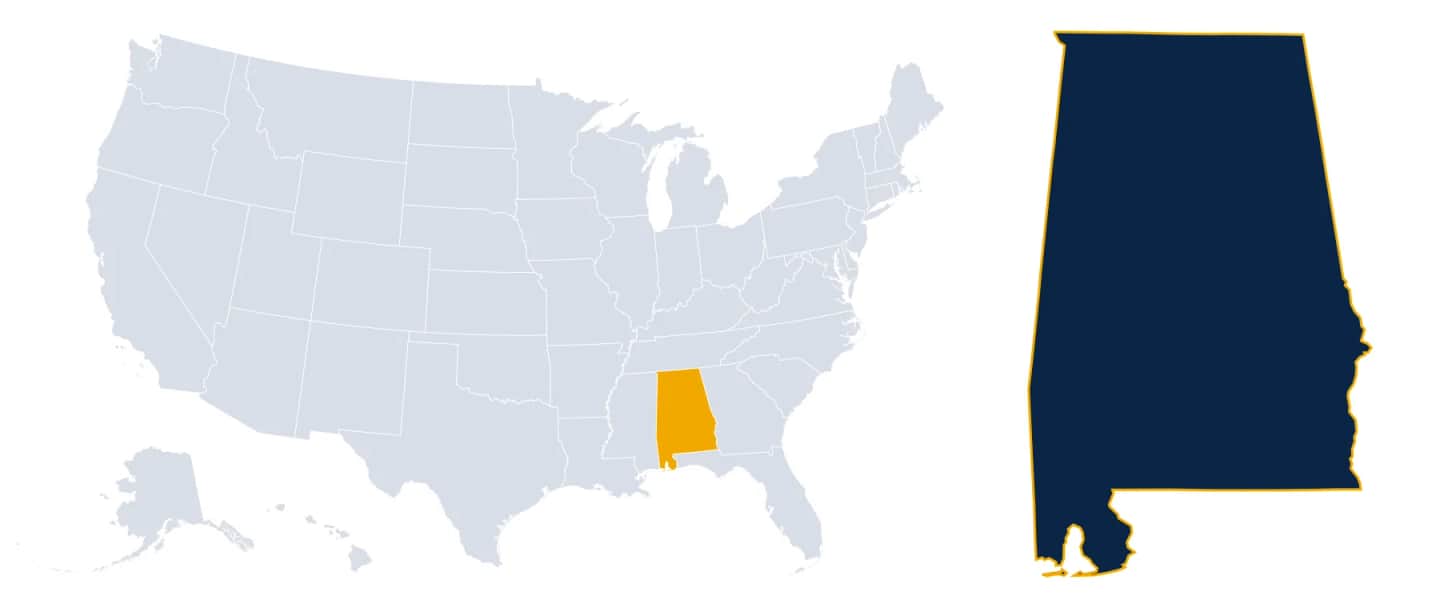
Alabama sits in one of the most tornado-prone regions in the country — the April 27, 2011 outbreak killed more than 200 people across the state — and its Gulf Coast takes direct hits from hurricanes. Long, humid summers and frequent lightning add steady wear to electrical systems, while Huntsville and Baldwin County are growing rapidly.
The hazards that drive the most electrical calls here, and how homeowners prepare for them.
Severe storms and tornadoes
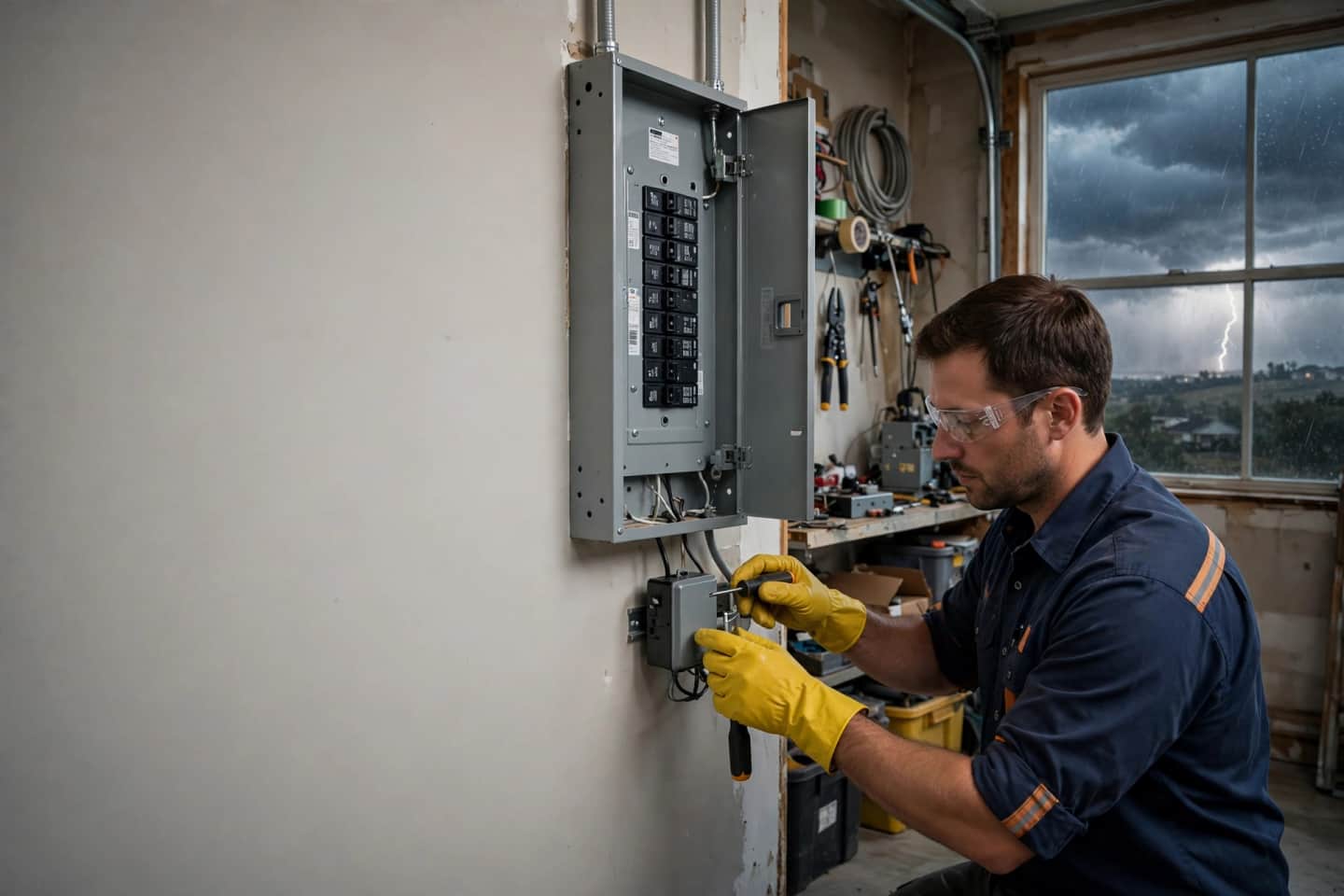
Storm damage can tear service masts and meter bases from the home. After a storm, look for a leaning mast or pulled service cable and keep clear — the utility side stays energized. Repairs to the mast and meter base are usually the homeowner’s responsibility.
Long outages make backup power a priority. Standby generators with automatic transfer switches, or portable generators connected through a listed interlock, keep refrigeration, sump pumps and medical equipment running. Any equipment that was submerged must be inspected before re-energizing.
Nearby strikes send surges through power and communication lines. A whole-home surge protective device at the panel, a sound grounding system and point-of-use protection for electronics reduce damage to appliances and HVAC controls.
Independent licensed electricians serve communities across Alabama.
Also serving
Birmingham
Huntsville
Montgomery
Mobile
Tuscaloosa
State guide
Electrical work in Alabama
Alabama’s utilities
Alabama Power serves most of the state, including Birmingham, Montgomery, Mobile and Tuscaloosa. North Alabama, including Huntsville and Decatur, is served with Tennessee Valley Authority power through local utilities such as Huntsville Utilities and Decatur Utilities and through cooperatives. Electric cooperatives serve much of rural Alabama, and some cities, such as Riviera Utilities in Baldwin County, operate their own systems.
Alabama homes cannot choose a retail supplier. Your utility sets the rules for service upgrades, generator connections and reconnection after storms.
Licensing and permits
The Alabama Electrical Contractors Board licenses electrical contractors and journeyman electricians statewide. You can verify licenses on the board’s website.
Cities and counties issue electrical permits and inspect work under their adopted codes. Some rural areas have limited code enforcement, which makes hiring a licensed electrician important even where no permit is required.
Tornadoes and the 2011 outbreak
On April 27, 2011, dozens of tornadoes tore across Alabama, devastating Tuscaloosa, Cullman, Hackleburg and many other communities, and knocking out power to most of North Alabama for days after TVA transmission lines were destroyed. Tornadoes continue to strike the state every year, often at night.
Storm damage to service masts, meter bases and service drops must be repaired by an electrician before reconnection. Rebuilding after a direct hit means a new service, panel and wiring throughout.
Hurricanes on the Gulf Coast
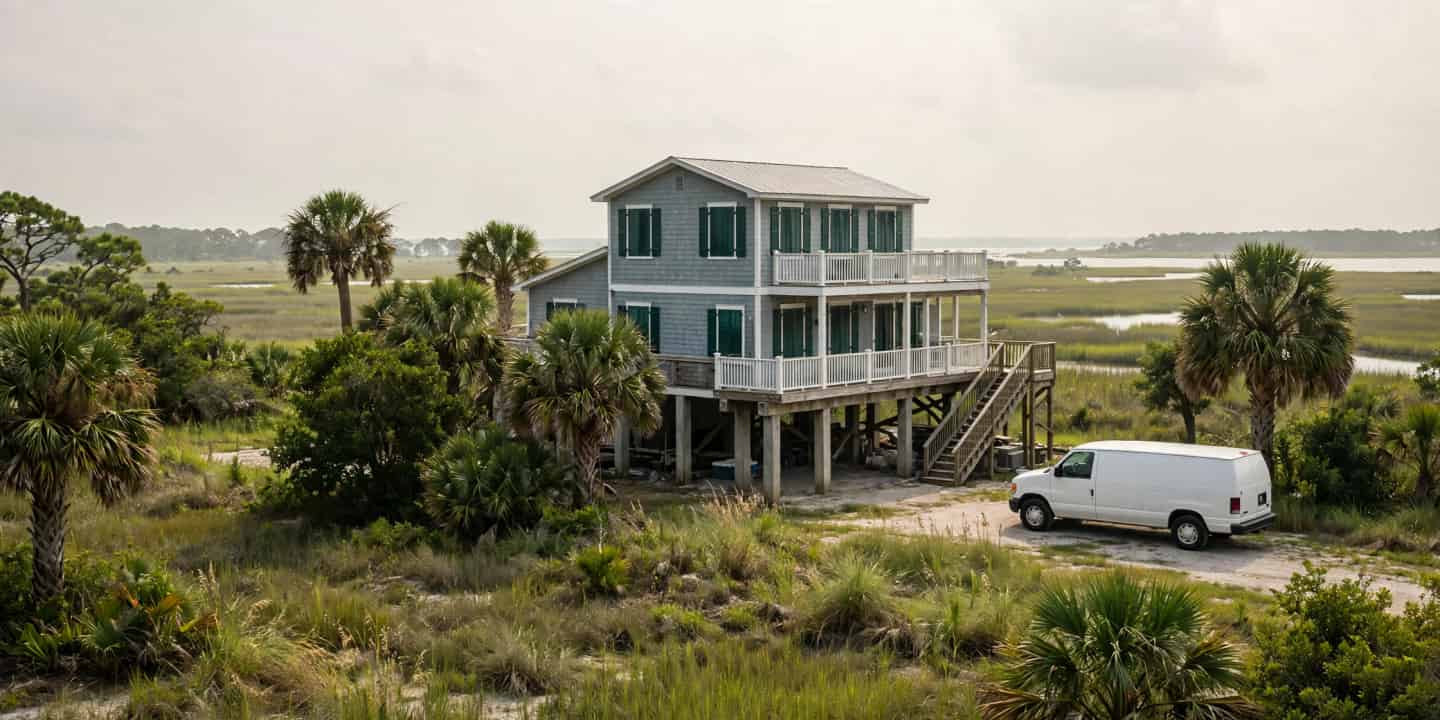
Mobile and Baldwin counties face direct hurricane strikes, including Ivan in 2004, Katrina in 2005 and Sally in 2020, which brought flooding rain to Gulf Shores, Orange Beach and the Mobile Bay area. Generators with transfer switches, surge protection, raised equipment in flood zones and corrosion-resistant exterior equipment are common coastal upgrades.
Heat, humidity and lightning
Alabama summers keep air conditioners running for months, stressing older panels and connections. Frequent thunderstorms bring lightning that damages heat pump boards and electronics, so whole-home surge protection is worthwhile. Humidity causes corrosion in crawl spaces, garages and outdoor outlets.
Ice storms and winter
Ice storms occasionally strike North and Central Alabama, bringing down trees on lines across wooded neighborhoods. Many homes heat with heat pumps that rely on electric backup strips in cold snaps, which draw large currents. Backup power for heating, wells and refrigeration is valuable during rare but serious winter outages.
Birmingham and older cities
Birmingham neighborhoods such as Southside, Highland Park, Forest Park and Avondale have homes from the early 1900s with original or partially updated wiring, and Mobile’s historic districts, including Oakleigh and De Tonti Square, have even older homes. Knob-and-tube wiring, fuse panels and undersized services are common, and exterior changes in historic districts may need review.
Huntsville’s growth
Huntsville has become one of the fastest-growing cities in the South, driven by aerospace, defense and technology employers. New subdivisions in Madison and Limestone counties are built for modern loads, but older ranch homes from the 1960s space-program boom may have original panels and, in some cases, aluminum branch wiring.
Baldwin County and coastal growth
Baldwin County, from Daphne and Fairhope to Gulf Shores, is growing rapidly, with many new homes and condos. Coastal construction must account for wind, flooding and salt air, and condos and rentals need regular inspection of outdoor equipment and pool wiring.
Storm shelters and safe rooms
Many Alabama homeowners have added storm shelters or safe rooms. Shelters often need lighting, outlets for weather radios and phone charging, and sometimes ventilation, and these circuits should be installed properly rather than run with extension cords.
Lakes and docks
Lake Martin, Lake Guntersville, Smith Lake, Logan Martin and Wheeler Lake are lined with homes that have docks and boat lifts. Dock wiring faults can energize the water and create a risk of electric shock drowning, so docks need ground-fault protection, correct bonding and wet-location wiring.
Manufactured homes and rural service
Manufactured homes are common in rural Alabama and are especially vulnerable in tornadoes. Their meter pedestals and feeders should be inspected after storms, and older units may need panel and wiring updates. Many rural homes rely on wells that need backup power.
Regional differences
North Alabama has TVA power, tornado exposure and Huntsville’s growth. Birmingham and Central Alabama combine older neighborhoods, wooded suburbs and severe storms. The Black Belt is rural and agricultural. The Gulf Coast faces hurricanes, flooding and salt air.
Common electrical calls in Alabama
Frequent requests include storm repairs to masts and meter bases, generator and interlock installations, surge protection, panel upgrades, rewiring older homes, storm shelter wiring, dock wiring and heat pump circuit work.
Solar in Alabama
Rooftop solar has grown more slowly in Alabama than in many states, in part because Alabama Power applies a monthly capacity charge to many customers with on-site generation. Some homeowners still add solar with batteries for resilience after storms. Any solar or battery system needs a permit and utility interconnection approval.
Crawl spaces, older ranches and aluminum wiring
Many Alabama homes built in the 1960s and 1970s sit over crawl spaces, and some have aluminum branch wiring that can overheat at outlets and switches not rated for it. Humidity and pests in crawl spaces damage wiring over time. Electricians can pigtail aluminum circuits with listed connectors or replace them, and inspect crawl-space wiring for damage.
Heat waves and AC circuits
Alabama summers routinely bring stretches of high heat and humidity, and air conditioning runs nearly continuously. Breakers, lugs and connections on AC circuits degrade under constant load. Warm breakers, burning smells or AC circuits that trip repeatedly should be checked rather than reset again and again.
Pools and outdoor kitchens
Pools and outdoor kitchens are common in suburbs around Birmingham, Huntsville and Mobile. Pool equipment requires correct bonding and GFCI protection, and outdoor appliances and lighting need wet-location wiring. Older pool installations often need updates to meet current safety requirements.
College towns and rentals
Tuscaloosa, Auburn and Huntsville have large rental markets serving students and young workers. Rental houses and duplexes see heavy use, and landlords commonly need panel updates, GFCI protection, smoke alarms and repairs to damaged devices between tenants.
Buying an older Alabama home
Inspections of older Alabama homes often find fuse panels, ungrounded outlets, crawl-space wiring problems, missing GFCI protection and amateur additions. An electrician’s written evaluation helps buyers understand which issues are urgent and what repairs will cost before closing.
Generators and fuel choices
Natural-gas standby generators are common in suburbs around Birmingham, Huntsville and Mobile, while rural homes often rely on propane units or portable generators connected through a listed interlock. Generators must sit outdoors with clearance from windows and doors, and should be sized for air conditioning or heat pumps if the household needs them during summer outages.
Mobile’s historic districts
Mobile’s Oakleigh Garden District, De Tonti Square and Old Dauphin Way contain homes from the 1800s and early 1900s. Rewiring these homes means working around plaster and historic trim, while coastal humidity and hurricane exposure add the need for corrosion-resistant exterior equipment and backup power.
Lightning and surge protection
Alabama ranks among the states with the most thunderstorm days, and surges from nearby strikes routinely damage heat pump control boards, well pump controllers, garage door openers and televisions. A whole-home surge protective device at the panel, a sound grounding system and point-of-use protection for electronics together give the best defense.
Working with an electrician in Alabama
Verify the contractor’s and electrician’s licenses with the Alabama Electrical Contractors Board, ask who will pull the permit, and get a written scope. For service upgrades and storm repairs, ask how the electrician will coordinate with Alabama Power, your TVA local utility or your cooperative.
Electrical licensing and permits in Alabama are set by state and local authorities. The electrician confirms what applies to your project.
Services
Most requested in Alabama
Ranked by how many of this state’s climate risks each service addresses.
Connect with an independent licensed electrician near you
Smoke, flames or sparking? Leave the building and call 911 first.
Pronto Electrician is a free referral service. Calls are answered by independent licensed electricians in your area. Pronto Electrician does not perform electrical work, and the electrician you choose sets the price, schedule, permits and warranty.
Free to call · All 50 states + DC
Talk to a licensed electrician in Alabama
Describe the problem and get connected with an independent licensed electrician who serves your area.