Colorado’s Front Range has some of the most hail-prone cities in the country, wildfire has moved from the mountains into the suburbs — the Marshall Fire destroyed about a thousand homes in Boulder County in December 2021 — and utilities now shut off power during extreme wind. At the same time, Colorado is one of the most active states for EVs and heat pumps.
The hazards that drive the most electrical calls here, and how homeowners prepare for them.
Winter storms and cold
Heavy snow and wind cause outages when heating demand is highest. Generators, dedicated circuits for space heaters, and heat-tape circuits with GFCI protection are common winter projects. Avoid running heaters through extension cords or power strips.
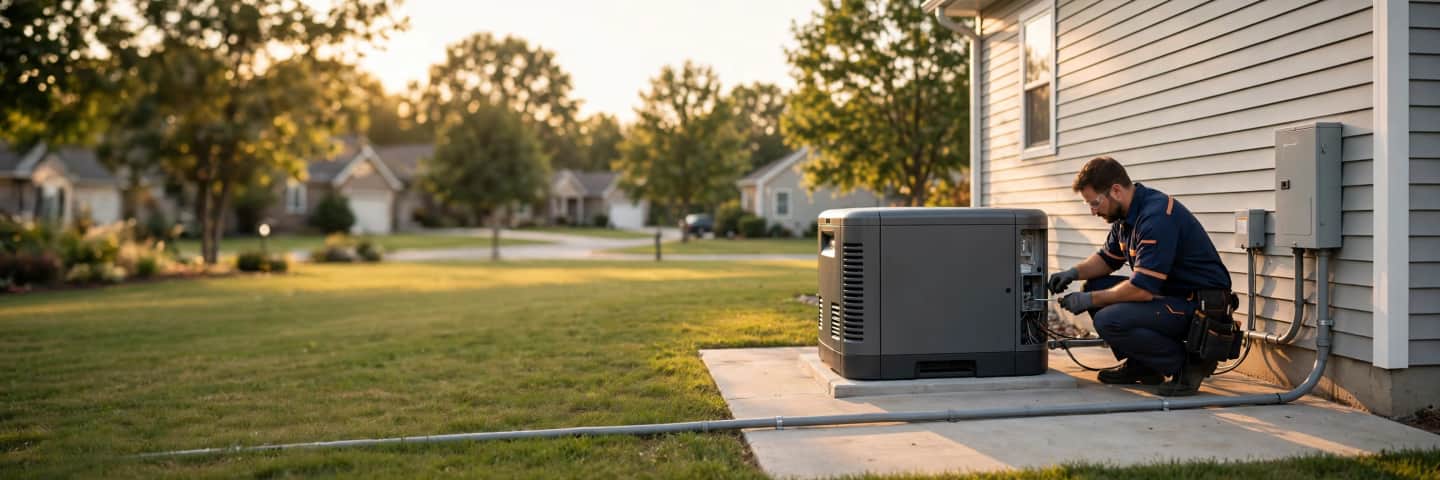
Utilities may shut off power during high fire-risk weather. Battery backup or generator systems with proper transfer equipment keep essential circuits running. Exterior electrical equipment and connections should be kept clear of vegetation.
Nearby strikes send surges through power and communication lines. A whole-home surge protective device at the panel, a sound grounding system and point-of-use protection for electronics reduce damage to appliances and HVAC controls.
Xcel Energy serves Denver, Boulder and much of the state’s population. Colorado Springs Utilities, Fort Collins Utilities, Longmont Power & Communications and other municipal utilities serve their cities, and Black Hills Energy serves Pueblo and parts of southern Colorado. Electric cooperatives such as United Power, CORE Electric, Poudre Valley REA and Holy Cross Energy serve fast-growing suburbs and mountain communities.
Colorado homes cannot choose a retail supplier. Your utility sets the rules for service upgrades, solar and battery interconnection, generator connections and reconnection.
Licensing and permits
Colorado licenses electricians through the State Electrical Board, with master, journeyman and residential wireman licenses, and requires electrical contractors to register with the state. Licenses can be verified through the state’s online lookup.
Cities and counties with their own inspection programs issue electrical permits; elsewhere, the state electrical board issues permits and performs inspections. Panel upgrades, new circuits, EV chargers, generators, solar and batteries require permits.
Wildfire and the Marshall Fire
On December 30, 2021, the wind-driven Marshall Fire swept through Louisville, Superior and unincorporated Boulder County, destroying about a thousand homes in a matter of hours. It showed that wildfire risk extends into suburban neighborhoods along the Front Range, not just mountain towns.
Rebuilt homes are frequently all-electric, with larger services, solar and batteries. Throughout the state, keeping vegetation clear of service drops and outdoor equipment and repairing damaged exterior connections reduce ignition risk.
Power shutoffs during high winds
Xcel Energy began using public safety power shutoffs in Colorado in 2024, cutting power to tens of thousands of Front Range customers during extreme wind and dry conditions. Shutoffs can last a day or more. Battery systems, often paired with solar, and generators connected through a listed interlock or transfer switch keep refrigeration, medical equipment and heating controls running.
Hail
The Front Range is among the most hail-prone areas in the United States. Large hail damages roofs, solar panels, outdoor AC condensers, exterior lighting and service masts. After a major hailstorm, check that the weatherhead and mast are intact and that solar panels and outdoor equipment are not cracked or leaking water into electrical components.
Snow, cold and chinook winds
Spring snowstorms can drop heavy, wet snow that breaks limbs onto lines, as in the March 2019 bomb cyclone and the March 2003 blizzard. Chinook winds along the foothills can gust at hurricane force. Furnaces need power to run, so backup plans should include heating equipment, and heat tape belongs on dedicated circuits.
Lightning
Colorado’s summer afternoon thunderstorms bring frequent lightning, particularly in the mountains and eastern plains. Surges damage furnace boards, appliances and electronics. A whole-home surge protective device at the panel and good grounding reduce that damage.
Colorado housing
Denver has brick bungalows, Denver Squares and Victorians in neighborhoods such as Capitol Hill, Highland, Washington Park and Park Hill, many with older wiring and small services. Suburbs from Aurora to Littleton grew rapidly from the 1960s through the 1990s, and some homes from the late 1960s and early 1970s have aluminum branch wiring. Fast-growing suburbs north of Denver and along I-25 are newer.
Mountain towns have cabins, condos and short-term rentals with heavy snow loads and limited access.
EVs, heat pumps and electrification
Colorado has one of the highest EV adoption rates in the country, supported by state tax credits, and heat pumps are growing rapidly with state and utility incentives. Denver and some other cities have adopted building electrification policies.
Adding an EV charger and a cold-climate heat pump often pushes older 100-amp services past their limit. Load calculations and load-management devices help avoid unnecessary service upgrades.
Solar and batteries
Abundant sunshine makes rooftop solar popular across the Front Range, and batteries are increasingly paired with it for backup during shutoffs and outages. Solar and battery systems require permits, utility interconnection approval and sometimes panel upgrades or a critical-loads panel. Hail-resistant mounting and panels are worth discussing in hail-prone areas.
Mountain homes and short-term rentals
Homes in Summit, Eagle, Grand and other mountain counties face heavy snow, long outages and wildfire risk. Hot tubs, heated driveways, snowmelt systems and EV chargers create large loads. Short-term rental properties see heavy use and need periodic inspection of outdoor outlets, hot tub circuits and lighting.
Regional differences
The Denver metro focuses on older bungalows, hail, wind shutoffs and EV charging. Boulder County faces wildfire rebuilding and electrification. Colorado Springs and Pueblo have their own utilities and fast growth. The mountains have snow, short-term rentals and long outages. The eastern plains are rural, windy and agricultural. The Western Slope has hot summers, wildfire and orchards.
Common electrical calls in Colorado
Frequent requests include EV charger installations, heat pump circuits and service upgrades, battery and solar panel work, generator and interlock installations, hail and wind repairs to masts, surge protection and hot tub wiring.
Radon systems need circuits
Much of Colorado has elevated radon levels, and many homes have radon mitigation systems with fans that run continuously. These fans need a properly installed electrical supply, often in an attic or on an exterior wall, and should not be powered by extension cords. Electricians often add radon fan circuits during remodels or when a system is installed.
Swamp coolers and adding air conditioning
Many older Front Range homes were built with evaporative coolers instead of air conditioning. As summers grow hotter and smoke from wildfires makes opening windows less appealing, homeowners are replacing swamp coolers with heat pumps or central air. That often requires a new 240-volt circuit and a check of panel capacity.
Snowmelt, hot tubs and heated driveways
Mountain homes and many Front Range properties use heated driveways, snowmelt systems, hot tubs and heated floors, all of which draw large currents. These systems need correctly sized circuits, GFCI protection where required and controls that prevent them from running at the same time as other large loads.
Wells and rural mountain properties
Rural Colorado homes often rely on wells or cisterns with pumps that stop when the power goes out. Long driveways and remote locations mean service runs are long and outages last longer. Backup power for the well pump, heat and refrigeration is especially valuable.
Buying an older Colorado home
Inspections of older Colorado homes often find small services, ungrounded outlets, aluminum branch wiring, hail-damaged masts and amateur basement wiring. An electrician’s written evaluation helps buyers understand which issues are urgent before closing.
Fire-resistant exterior equipment
In wildfire-prone neighborhoods, homeowners are rethinking exterior electrical equipment: keeping vegetation and firewood away from meters, panels and service drops, replacing damaged outdoor fixtures and outlets, and considering underground service where feasible. These steps reduce ignition sources and make homes easier to protect during fire weather.
Altitude and equipment ratings
At high elevations in the mountains, some electrical equipment, such as certain generators and battery systems, has reduced output ratings because air is thinner. Generator sizing in mountain towns should account for altitude derating so the unit can carry the planned load.
Hail-resistant planning for solar
Because hail is so common along the Front Range, homeowners adding solar should ask about panel hail ratings, mounting, and whether their homeowners insurance covers rooftop equipment. Conduit and junction boxes on roofs should be secured and sealed so hail damage does not let water into electrical components.
Working with an electrician in Colorado
Verify the electrician’s state license and the contractor’s registration, ask whether your city or the state will issue the permit, and get a written scope. For electrification projects, ask about state and utility incentives and load-management options. For service upgrades, ask how the electrician will coordinate with Xcel, your municipal utility or cooperative.
Electrical licensing and permits in Colorado are set by state and local authorities. The electrician confirms what applies to your project.
Services
Most requested in Colorado
Ranked by how many of this state’s climate risks each service addresses.
Connect with an independent licensed electrician near you
Smoke, flames or sparking? Leave the building and call 911 first.
Pronto Electrician is a free referral service. Calls are answered by independent licensed electricians in your area. Pronto Electrician does not perform electrical work, and the electrician you choose sets the price, schedule, permits and warranty.
Free to call · All 50 states + DC
Talk to a licensed electrician in Colorado
Describe the problem and get connected with an independent licensed electrician who serves your area.