01
Rowhouse electrification
Heat pumps, induction and EV chargers often need a load calculation and a service upgrade coordinated with Pepco.
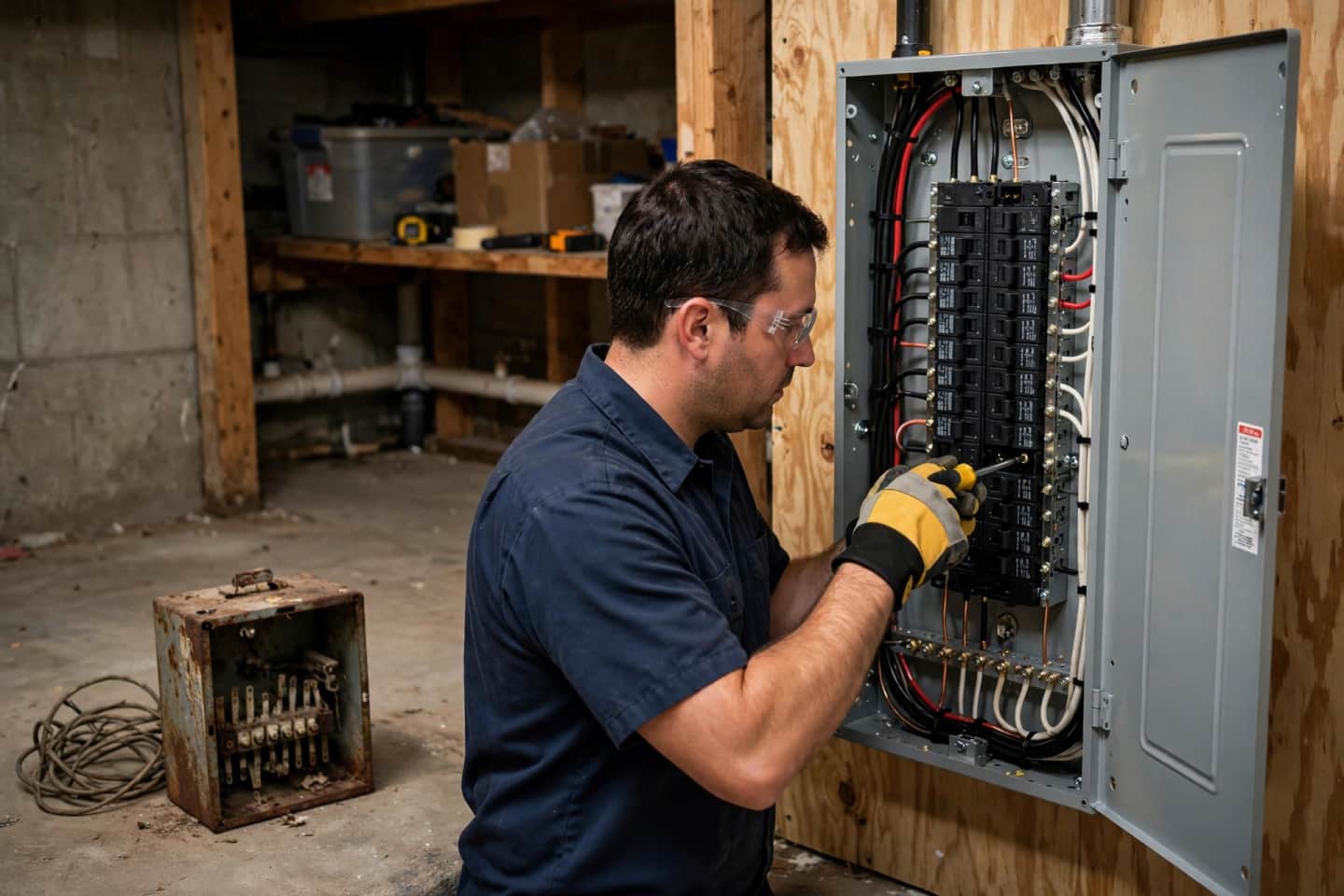
Electrical Panel Upgrade
Washington, DC is mostly rowhouses, and many are a century old or more. Pepco serves the District, and permits are issued by the DC Department of Buildings. Hot, humid summers push older services hard, and the District’s building-electrification goals have more owners asking about heat pumps, induction and EV charging in houses with very limited panel space.
Free to call · Independent licensed electricians
Serving Capitol Hill, Petworth, Columbia Heights, Shaw, Brookland, Georgetown and every other Washington neighborhood.
Washington at a glance
Electrical services in Washington
The calls Washington homeowners make most, followed by every service independent licensed electricians handle here.
Not sure which service you need? Describe the problem and an electrician will tell you.
Call for Electrical Service in WashingtonHousing and wiring
Capitol Hill, Shaw and Georgetown have 1800s and early-1900s rowhouses; Petworth and Brookland have 1910s–30s rowhouses and porch-front homes. Small services, fuse panels and ungrounded wiring are common, and many houses have been converted to multiple units.
Neighborhoods we cover
Local issues
Problems that come up again and again in local homes, and the service that fixes each one.
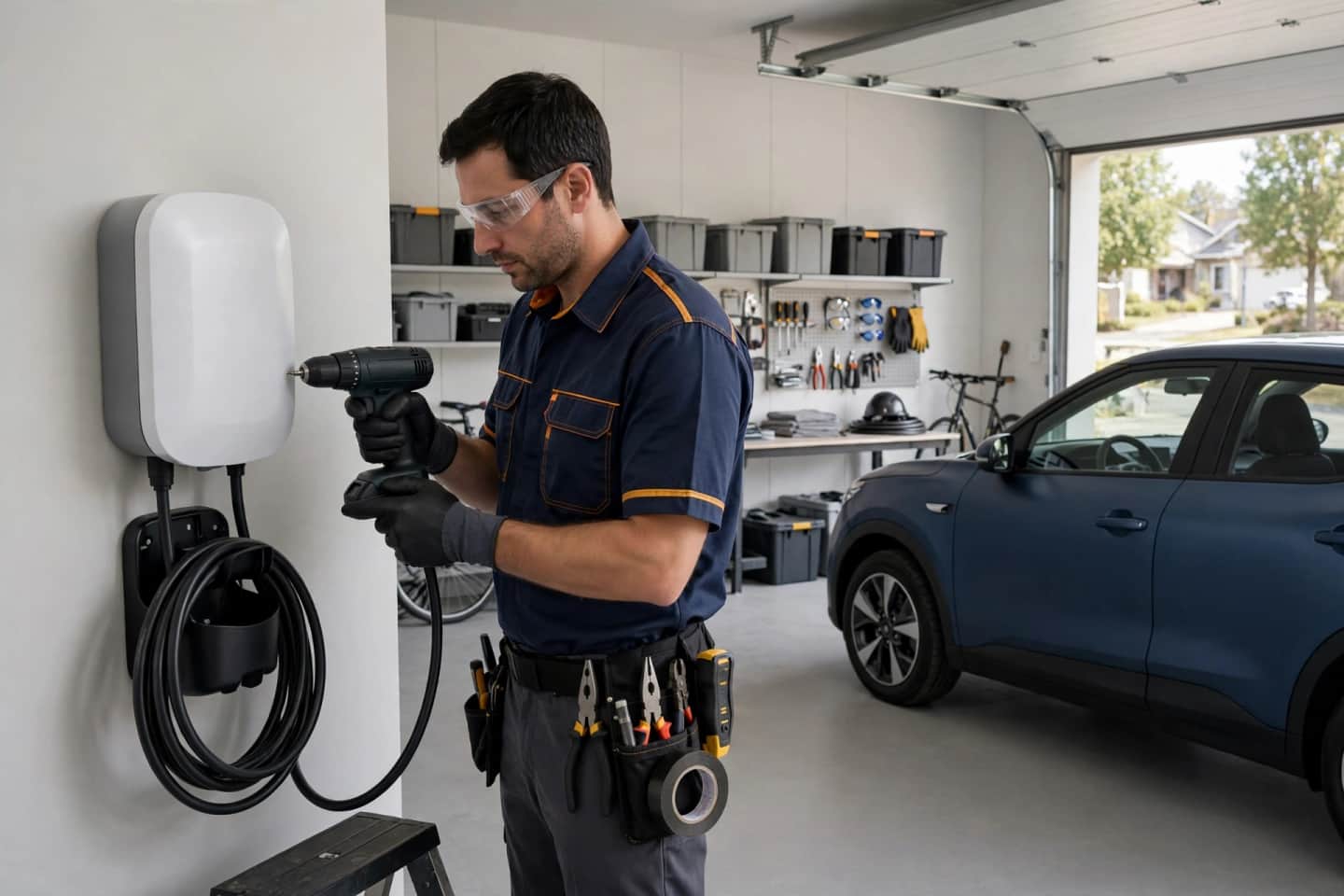
Heat pumps, induction and EV chargers often need a load calculation and a service upgrade coordinated with Pepco.
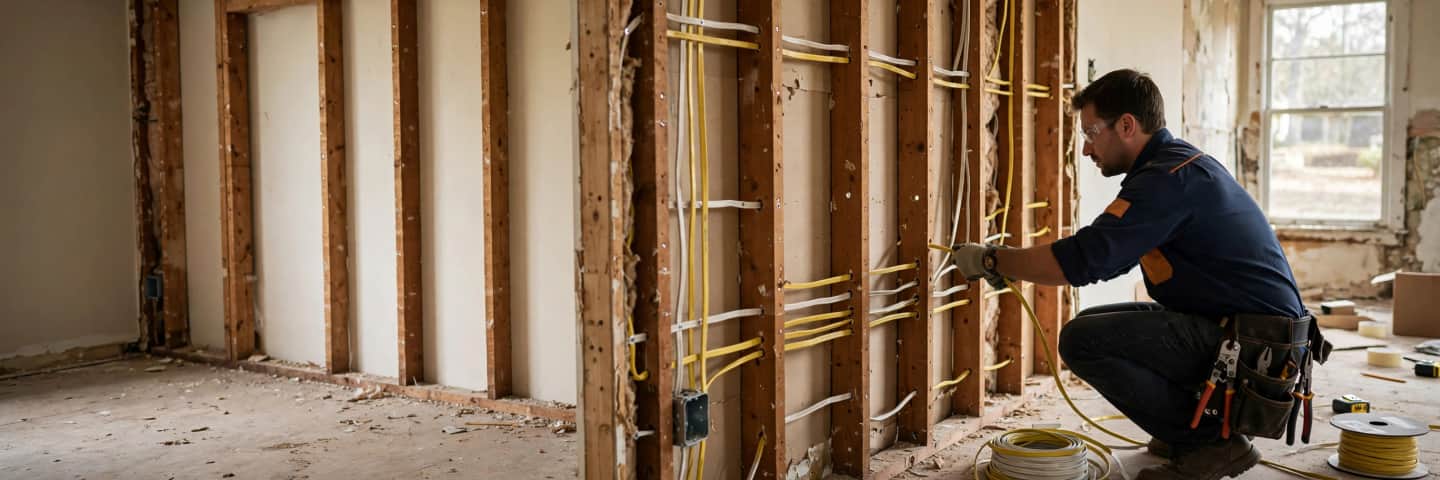
Electrical Panel UpgradeRenovations commonly uncover knob-and-tube and cloth wiring. Interior work is permitted through DOB; exterior changes may need historic review.
House RewiringWindow and mini-split AC units on old circuits trip breakers and overheat outlets. Dedicated circuits solve it.
Outlet & GFCI InstallationLocal guide
History, housing, weather and rules that shape electrical work in Washington, DC.
The DC Department of Buildings issues electrical permits through its online system, and work must be done by electricians licensed by the District. Inspections are scheduled at rough-in and final. Many renovations also require building permits and, in historic districts, review by the Historic Preservation Office.
Capitol Hill has Victorian rowhouses on tree-lined streets, Shaw and Logan Circle have grand rowhouses near downtown, Columbia Heights and Petworth are dominated by Wardman-era rowhouses, Brookland has detached homes and bungalows, Georgetown has Federal-era houses, and Chevy Chase DC and Cleveland Park have larger detached homes.
DC rowhouses typically have the meter and panel in the basement or at the rear, with circuits running up through narrow walls. Many have been renovated more than once, leaving a mix of eras. Full renovations usually include a new service, new panel and new wiring throughout.
English basements in DC rowhouses are often rented as separate apartments. Legal basement units need their own panel or subpanel, often a separate meter, alarms and proper egress, and must be inspected. Flood-prone basements should have raised equipment.
Much of DC lies in historic districts, and exterior changes such as meters on front facades or rooftop equipment visible from the street may need review. Electricians plan routes through alleys and rear walls when possible.
Pepco serves the District, often from alley poles or underground lines. Service upgrades and new meters require Pepco coordination, and alley service drops are vulnerable to trees and trucks.
DC summers bring heat, humidity and thunderstorms. The June 2012 derecho knocked out power across the region during a heat wave. Dedicated circuits for air conditioning and surge protection are common upgrades.
Low-lying neighborhoods such as Bloomingdale and parts of Northeast and Southwest have flooded during intense storms. Raising basement electrical equipment and adding backflow prevention reduce damage.
The District’s clean energy goals and incentives encourage heat pumps, heat pump water heaters and solar. Rowhouses with small services often need upgrades to electrify.
Most DC residents park on the street, but rowhouses with rear parking pads or garages can add Level 2 chargers with a new circuit from the panel. Condo garages need association approval.
Common requests include rowhouse service upgrades, basement unit wiring, heat pump circuits, solar, EV chargers, flood-related relocations and surge protection.
Wards 7 and 8, east of the Anacostia River, include Anacostia’s historic district with Victorian frame homes, as well as mid-century detached homes, duplexes and garden apartments in neighborhoods like Hillcrest and Congress Heights. Many homes have original panels and wiring, and city programs help some eligible homeowners with repairs and energy upgrades.
Exterior changes in Georgetown are reviewed under the Old Georgetown Act, which brings in the U.S. Commission of Fine Arts. Meter relocations, rooftop equipment and visible conduit get close scrutiny, so electrical work there takes longer to plan and permit.
Neighborhoods like Navy Yard, NoMa and the Wharf have filled with new apartment and condo towers. Owners and renters work with building management for any electrical changes, and EV charging in garages is managed by the building.
Cleveland Park and Chevy Chase DC have larger detached homes from the early 1900s, many with original wiring in parts of the house. These homes have room for generators, EV chargers and heat pump condensers, and renovations often include service upgrades.
Many DC rowhouses were built before 1978 and contain lead paint. Electrical work that disturbs walls and trim must follow lead-safe practices, which affects how electricians open walls and clean up.
Brookland and Takoma DC have bungalows and detached homes from the early 1900s on larger lots, with mature trees overhanging service drops. Renovations often include rewiring and service upgrades.
Small repairs can usually be scheduled quickly, while service upgrades depend on DOB permits, inspections, historic review where applicable and Pepco scheduling.
The District inspects rental housing and requires landlords to keep electrical systems safe. Common corrections include alarms, ground-fault protection and repairs to damaged wiring.
Petworth’s porch-front rowhouses, built in the 1910s through the 1930s, are popular with buyers and renovators. Many have been opened up and expanded with rear additions and basement units, which require new services, panels and careful circuit planning. Front porches add exterior lighting and outlets that need weather-rated equipment.
Adding a story to a rowhouse, often called a pop-up, requires zoning approval and usually a new service sized for the larger home or additional units. Electrical planning should happen alongside structural design.
Flat rowhouse roofs make solar practical in many DC neighborhoods. Installers must account for roof condition, fire setbacks and historic visibility rules, and every system needs Pepco approval.
Shaw and Logan Circle have large Victorian rowhouses near downtown, many converted to condominiums. Renovating them involves coordinating with condo associations and replacing old wiring while preserving historic details.
Capitol Hill’s Victorian rowhouses are some of the most renovated homes in the city. Projects often add rear extensions, basement units and roof decks, all of which need new circuits and frequently a larger service. Capitol Hill is a historic district, so front-facade changes are reviewed carefully.
With District incentives encouraging electrification, many rowhouse owners replace gas furnaces and boilers with heat pumps. Each indoor and outdoor unit needs circuits, and outdoor condensers must fit in small rear yards or on roofs.
In neighborhoods with detached homes, such as Chevy Chase DC and Brookland, some owners install natural gas standby generators. Placement must meet District setbacks and noise rules, and installations require permits.
Columbia Heights and Mount Pleasant have rowhouses and apartment buildings from the early 1900s, many divided into units. Mount Pleasant is a historic district, and both neighborhoods see frequent renovations that bring service upgrades and basement unit wiring.
Inspections of DC rowhouses commonly flag fuse panels, overloaded subpanels from earlier renovations and ungrounded circuits. An electrician’s evaluation helps buyers understand what must be fixed before closing in a fast-moving market where offers come quickly and contingency periods are short.
Questions
The DC Department of Buildings (DOB) issues electrical permits. Work must be done by a DC-licensed electrician.
Often, depending on Pepco’s requirements and space for the meter and panel. A load calculation determines what is needed.
Problem guides
 Breaker Keeps TrippingWhy does my circuit breaker keep tripping?
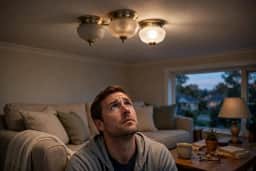 Flickering LightsWhy are the lights in my house flickering?
 Outlet Not WorkingWhy did my outlet suddenly stop working?
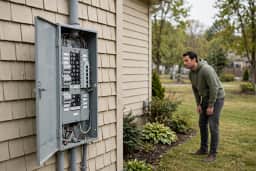 Buzzing Electrical PanelWhy is my electrical panel buzzing?
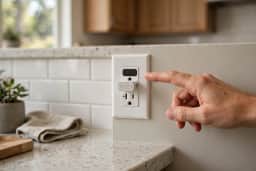 GFCI Won’t ResetWhy won’t my GFCI outlet reset?
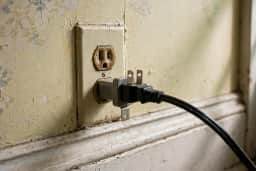 Two-Prong Ungrounded OutletsAre two-prong outlets safe?
Same-day help often available
Call an electrician in Washington
Describe the problem and your Washington neighborhood. Your call goes to an independent licensed electrician who works locally.
Call (855) 679-2483Smoke, flames or sparking? Leave the building and call 911 first.
Pronto Electrician is a free referral service. Calls are answered by independent licensed electricians in your area. Pronto Electrician does not perform electrical work, and the electrician you choose sets the price, schedule, permits and warranty.
Free to call · All 50 states + DC
Describe the problem and get connected with an independent licensed electrician who serves your area.