Flooding
Electrical equipment that has been underwater — panels, outlets, breakers, appliances — generally must be replaced, not dried and reused. Do not re-energize a flooded home until an electrician has inspected it.
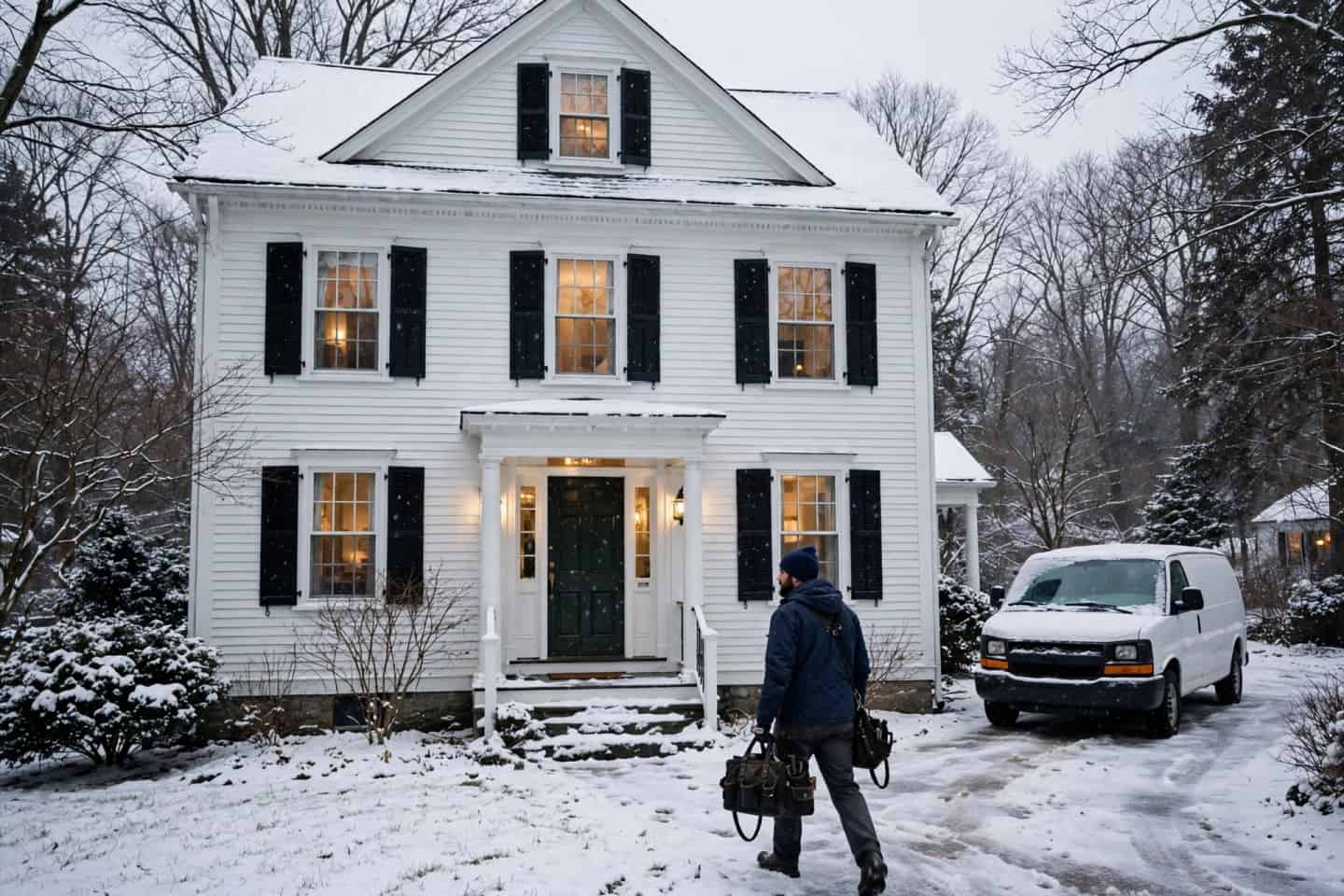
West Virginia’s mountains and narrow valleys make electrical service harder to build and slower to restore. The June 2016 floods killed 23 people and destroyed homes in Greenbrier, Kanawha and Nicholas counties, the 2012 derecho left most of the state without power during a heat wave, and Superstorm Sandy buried the mountains in heavy snow. Older homes in coal towns and hollows add their own challenges.
Free to call · Independent licensed electricians
Climate risks
The hazards that drive the most electrical calls here, and how homeowners prepare for them.
Electrical equipment that has been underwater — panels, outlets, breakers, appliances — generally must be replaced, not dried and reused. Do not re-energize a flooded home until an electrician has inspected it.
Heavy snow and wind cause outages when heating demand is highest. Generators, dedicated circuits for space heaters, and heat-tape circuits with GFCI protection are common winter projects. Avoid running heaters through extension cords or power strips.
Ice accumulation brings down lines and trees across wide areas, often for days. Backup power planning matters, and overhead service drops near trees should be checked for damage after ice events.
Cities
Independent licensed electricians serve communities across West Virginia.
Also serving
State guide
Appalachian Power, part of AEP, serves Charleston, Huntington and much of southern West Virginia, and Wheeling Power serves the Northern Panhandle. Mon Power and Potomac Edison, part of FirstEnergy, serve much of northern and eastern West Virginia, including Morgantown and the Eastern Panhandle. A few municipal utilities and cooperatives serve smaller areas.
West Virginia homes cannot choose a retail supplier. Your utility sets the rules for service upgrades and reconnection after storms.
West Virginia licenses electricians statewide through the State Fire Marshal’s Office, with apprentice, journeyman and master licenses, and contractors must also be licensed through the Division of Labor. Licenses can be verified online.
Electrical inspections are performed by the State Fire Marshal’s Office or by certified local inspectors, and some utilities require an inspection before connecting new or repaired service. Panel upgrades, new circuits and generator installations need inspection.
In June 2016, torrential rain caused catastrophic flash flooding in southern West Virginia, destroying homes and businesses in White Sulphur Springs, Rainelle, Richwood and Clendenin. Many homes sit along creeks in narrow valleys where water rises quickly.
Electrical equipment that has been underwater must be replaced, and power should stay off until it has been inspected. Raising panels and equipment during rebuilding reduces future damage.
In late June 2012, a derecho swept across West Virginia with hurricane-force winds, knocking out power to a majority of the state during a heat wave, with some homes dark for more than a week. Months later, Superstorm Sandy dropped several feet of heavy snow on the mountains, bringing down trees and lines again.
These events made generators a common household investment. Portable generators must be connected through a transfer switch or listed interlock and run outdoors, away from windows and doors.
Steep terrain, narrow valleys and wooded rights-of-way make restoration slow after storms. Many homes sit at the end of long service runs up hollows. Backup power that can run heat, a well pump and refrigeration is one of the most valuable upgrades in the state.
Former coal company towns across southern West Virginia have small homes built in the early 1900s, often with original or patched wiring. Charleston, Huntington, Wheeling, Parkersburg and Clarksburg have older neighborhoods with knob-and-tube wiring, fuse panels and small services. Rewiring these homes often requires a new service and grounding.
Manufactured homes are common throughout rural West Virginia. Their meter pedestals and feeders are exposed to storms, slides and settling, and should be inspected after severe weather. Older units may need updated panels and wiring.
Higher elevations get heavy snow and cold winters. Many homes heat with electric baseboard, heat pumps or electric furnaces, which place large loads on panels during cold snaps. Checking heating circuits and connections helps prevent overheating, and dedicated circuits for space heaters are safer than extension cords.
Summer thunderstorms bring frequent lightning to the mountains, and surges damage heat pump boards, well pump controllers and electronics. Whole-home surge protection at the panel is inexpensive protection.
Martinsburg, Charles Town and the Eastern Panhandle have grown as commuter communities for the Washington, DC area, with many newer homes. EV chargers and panel upgrades are increasingly common there.
Southern West Virginia has coal towns, hollows and flood risk. The Kanawha Valley around Charleston combines older neighborhoods and industry. North-central West Virginia includes Morgantown and university growth. The Eastern Panhandle is growing quickly. The Potomac Highlands are high, snowy and remote.
Frequent requests include generator and interlock installations, storm and flood repairs, fuse panel and service upgrades, rewiring older homes, manufactured home feeder repairs, heating circuit work and surge protection.
West Virginia’s steep slopes are prone to landslides, especially after heavy rain. A slipping hillside can pull down a service pole, crush underground conduit or tilt a meter base. If the ground around your service equipment has moved, keep clear and call both the utility and an electrician; new service runs on unstable slopes may need to be rerouted.
Morgantown’s neighborhoods around West Virginia University are full of older houses divided into apartments, many with overloaded circuits and limited panel capacity. Landlords commonly need GFCI protection, smoke alarms and panel upgrades to keep units safe and pass rental inspections.
Many rural West Virginia homes draw water from wells, springs or cisterns with electric pumps. When the power fails, the water stops. A generator with a listed interlock, sized for the pump’s starting surge, keeps water flowing through long outages in the hollows.
After the 2012 derecho, generators became a household staple. Homes with natural gas — common in West Virginia — often install standby units, while others rely on portable generators connected through a transfer switch or interlock. Generators must run outdoors and away from windows, doors and vents.
Inspections of older homes in Charleston, Huntington, Wheeling and former coal towns often turn up fuse panels, knob-and-tube wiring, ungrounded outlets and decades of patched-in circuits. An electrician’s written evaluation helps buyers understand what is urgent and what it will cost to bring the house up to date.
Homes heated with electric baseboard or older electric furnaces put heavy loads on their panels in winter, and loose connections at heaters and thermostats can overheat. Replacing resistance heat with a heat pump lowers bills and reduces strain on the service, but requires a check of panel capacity and new circuits.
Homes built into hillsides often have basements that take on water during heavy rains and snowmelt. Sump pumps keep them dry, but only while the power is on. A battery backup pump or a generator circuit for the sump is one of the most practical upgrades in the state, and basement panels should be checked for rust and moisture.
In the Potomac Highlands and around Snowshoe and Canaan Valley, heavy snow and ice load service drops and weatherheads, and crews may not reach remote roads for days. Vacation homes and rentals in ski country need someone to check heat, heat tape and alarms during long absences, and backup heat protects against frozen pipes.
Summer thunderstorms and the repeated on-off cycles during restoration send surges through home wiring. A surge protective device at the panel protects heat pumps, well controls and electronics, and is easiest to add while an electrician is working on the panel for another reason.
Hunting camps and cabins across the mountains sit empty for months, then see heavy use in deer season. Mice, moisture and freezing temperatures damage their wiring in the meantime, so a quick inspection before the season — and GFCI protection near sinks and outdoors — prevents surprises when the whole hunting party arrives for opening day.
Verify the electrician’s State Fire Marshal license and the contractor’s license, ask how the inspection will be arranged, and get a written scope. For service upgrades and storm repairs, ask how the electrician will coordinate with Appalachian Power, Mon Power, Potomac Edison or your local utility.
Electrical licensing and permits in West Virginia are set by state and local authorities. The electrician confirms what applies to your project.
Services
Ranked by how many of this state’s climate risks each service addresses.
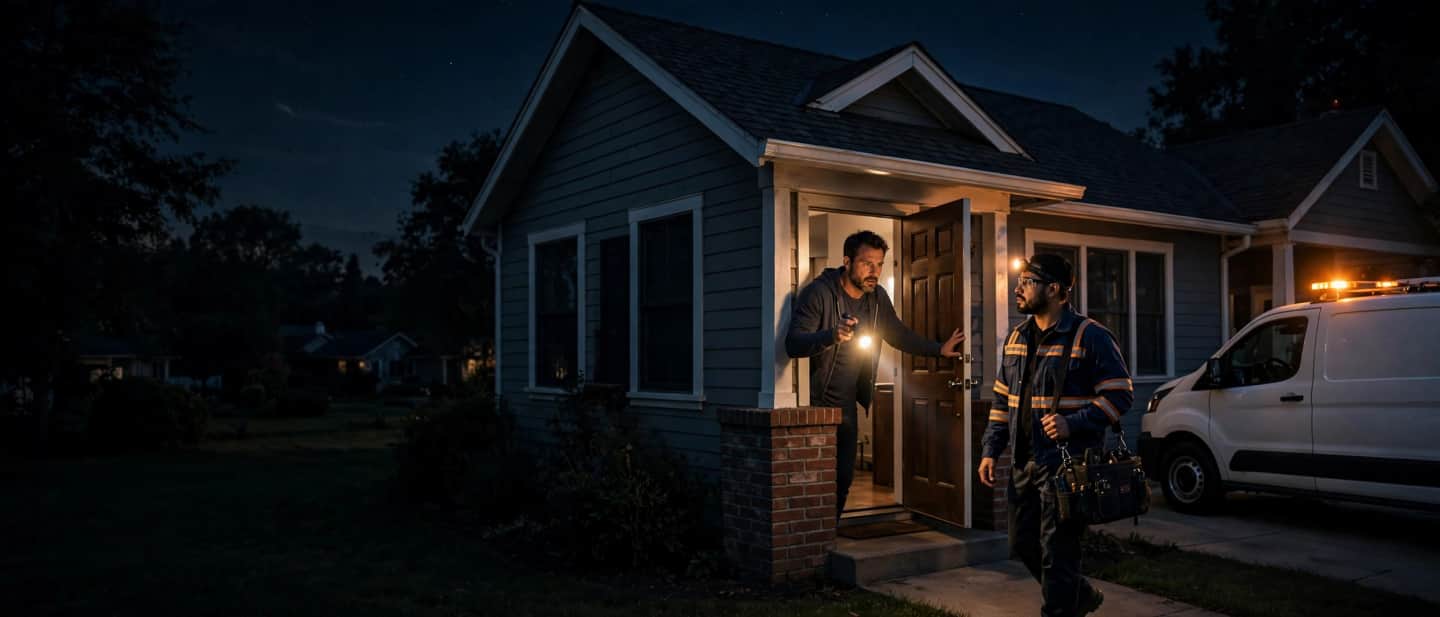
Urgent help for outages, burning smells, sparking and dangerous electrical faults.
Explore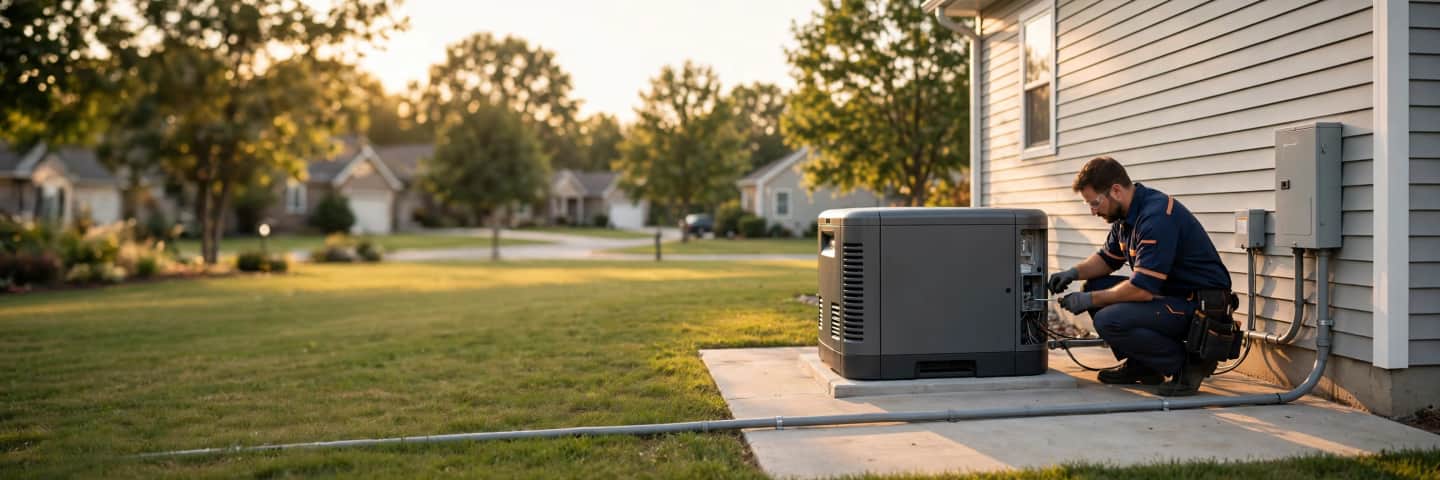
Standby generators, transfer switches and portable generator interlocks.
Explore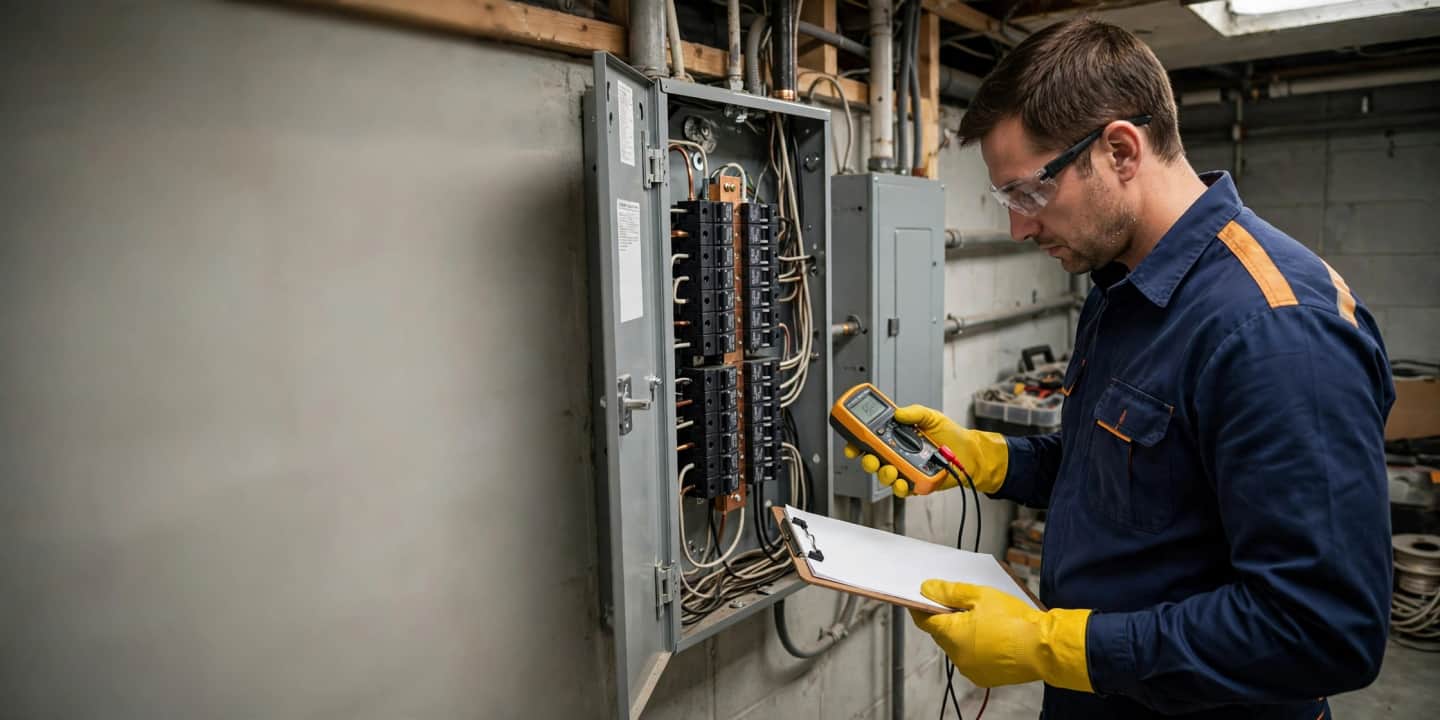
Home-purchase, insurance and safety inspections of electrical systems.
ExploreGet started
One call connects you with an independent licensed electrician who serves your part of the state.
Same-day help often available
Call for electrical help in West Virginia
Tell the electrician what is happening and your city. Calls go to independent licensed electricians who serve your area.
Call (855) 679-2483Smoke, flames or sparking? Leave the building and call 911 first.
Pronto Electrician is a free referral service. Calls are answered by independent licensed electricians in your area. Pronto Electrician does not perform electrical work, and the electrician you choose sets the price, schedule, permits and warranty.
Free to call · All 50 states + DC
Describe the problem and get connected with an independent licensed electrician who serves your area.