Wyoming is windy, cold and sparsely populated, with the fewest residents of any state spread across huge distances. Electrical systems must withstand relentless wind, blizzards and subzero temperatures, while Jackson’s mountain homes, Cheyenne’s neighborhoods, energy-boom towns and remote ranches each have their own needs.
The hazards that drive the most electrical calls here, and how homeowners prepare for them.
Winter storms and cold
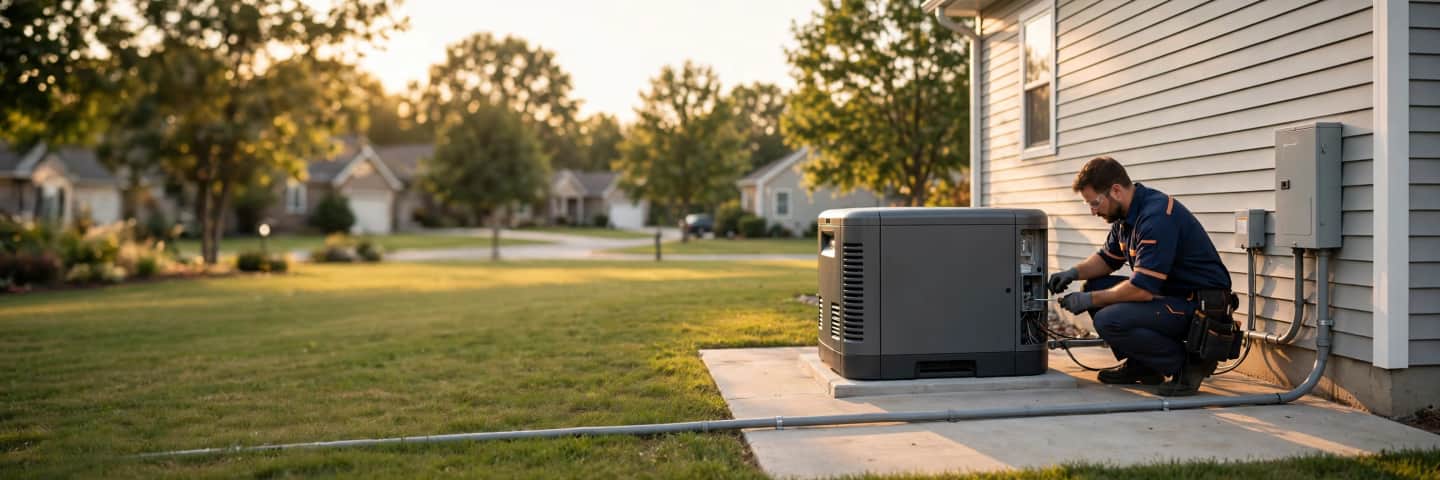
Heavy snow and wind cause outages when heating demand is highest. Generators, dedicated circuits for space heaters, and heat-tape circuits with GFCI protection are common winter projects. Avoid running heaters through extension cords or power strips.
Utilities may shut off power during high fire-risk weather. Battery backup or generator systems with proper transfer equipment keep essential circuits running. Exterior electrical equipment and connections should be kept clear of vegetation.
Independent licensed electricians serve communities across Wyoming.
Also serving
Cheyenne
Casper
Laramie
Gillette
State guide
Electrical work in Wyoming
Wyoming’s utilities
Rocky Mountain Power serves much of Wyoming, including Casper and many western and central communities. Black Hills Energy serves Cheyenne through Cheyenne Light, Fuel and Power. Lower Valley Energy serves the Jackson Hole area, and many rural electric cooperatives serve ranches and small towns across the state.
Licensing and inspections
Wyoming licenses electricians and electrical contractors through the Department of Fire Prevention and Electrical Safety, which also inspects electrical work in much of the state. Some cities run their own programs. Electrical work generally requires a permit and inspection.
Relentless wind
Wyoming is one of the windiest states, with strong gusts along the I-80 corridor and the eastern plains. Wind loosens service masts, wears out drops and damages weatherheads. Masts should be well braced, and periodic checks after windy seasons catch problems before a failure.
Blizzards and cold
Blizzards close Interstate 80 and isolate towns, and subzero cold is common. Furnaces need electricity, and pipes freeze quickly. Backup power wired through a transfer switch or interlock, sized for heat and the well pump, is essential in rural Wyoming.
Jackson Hole homes
Jackson Hole has some of the most expensive homes in the country, many with heated driveways, snowmelt systems, hot tubs, elaborate lighting and EV chargers. These large loads require careful service planning, and heavy snow and remote locations make backup power important. Lower Valley Energy has its own requirements for large services.
Energy boom towns
Gillette, Rock Springs, Casper and other towns have grown and shrunk with coal, oil, gas and trona mining. Housing built quickly during booms, including manufactured homes and RV parks, may need wiring and service updates.
Ranches and remote properties
Wyoming ranches can be hours from town, with long cooperative lines, wells, stock tank heaters, shops and calving barns. Each outbuilding needs a proper feeder and grounding, and generators are a necessity during winter storms.
Cheyenne and Laramie
Cheyenne and Laramie have older neighborhoods with early-1900s homes alongside newer subdivisions, and a growing data center industry near Cheyenne. Older homes may need panel upgrades and rewiring.
Wildfire and earthquakes
Wildfire threatens forested areas in the mountains, and northwest Wyoming, including the Teton and Yellowstone areas, is seismically active. Checking service equipment after quakes and clearing vegetation from it during fire season are practical steps.
Wind energy
Wyoming’s winds make it a major site for wind power, with large projects in the south-central part of the state. Many ranchers lease land for turbines and transmission lines.
Common electrical calls in Wyoming
Frequent requests include generator installations, wind-damaged mast repairs, ranch and shop feeders, heat tape and well circuits, large-home service planning in Jackson, and panel upgrades.
Heat tape, well houses and stock water
Rural Wyoming homes depend on well houses, stock waterers and water lines kept from freezing by heat tape and small heaters. These should run on dedicated, ground-fault-protected circuits and be checked each fall, because worn heat tape is a common winter fire source.
Generators and propane
Propane generators are the norm on Wyoming ranches and in small towns without natural gas, and portable generators connected through an interlock are common elsewhere. In wind and blowing snow, generators need protected but ventilated locations that keep exhaust away from the house.
Manufactured homes and wind
Manufactured homes are common throughout Wyoming and are vulnerable to the state’s strong winds. Meter pedestals and feeders should be checked after windstorms and winter, and older homes may need updated panels and wiring.
Drifting snow and outdoor equipment
Wind piles snow into deep drifts that can bury meter pedestals, outdoor outlets, EV chargers and generators. Placing equipment where drifts do not form, or protecting it with enclosures, keeps it working through winter.
Cody, Sheridan and gateway towns
Cody, Sheridan, Buffalo and other towns near Yellowstone and the Bighorns have older downtown neighborhoods, ranchettes and tourist lodging. Older homes may need rewiring, and seasonal businesses benefit from pre-season inspections.
Solar and batteries on remote properties
Remote Wyoming cabins and ranch outbuildings sometimes rely on solar and batteries rather than long line extensions. These systems need proper design, cold-weather battery protection, disconnects and grounding.
EV charging and long distances
Long drives between Wyoming towns make home charging essential for EV owners, and cold weather reduces range. A Level 2 charger in a garage helps, and rural homes may need a load calculation before adding one.
Lightning and surges
Summer thunderstorms bring lightning across Wyoming’s high plains, damaging well controllers, furnace boards and electronics. A surge protective device at the panel is inexpensive protection.
Buying an older Wyoming home
Inspections of older homes in Cheyenne, Laramie, Casper and Sheridan often turn up fuse panels, ungrounded outlets and amateur additions. An electrician’s written evaluation helps buyers plan repairs before closing.
Data centers and Cheyenne growth
Cheyenne has attracted large data centers, drawn by its climate, land and power supply. For homeowners in Cheyenne and Laramie, growth means new subdivisions alongside older homes, and the usual questions about panel capacity for EV chargers, shops and additions.
Basements and spring runoff
Wyoming basements can take on water during spring snowmelt and summer storms. Sump pumps need power when storms knock it out, so battery backup or a generator circuit is a practical upgrade.
Hunting cabins and seasonal properties
Hunting cabins and seasonal homes across the Bighorns, Wind Rivers and Snowy Range sit empty for months. Mice, freezing and moisture damage wiring, so a pre-season inspection and GFCI protection near water and outdoors prevent problems.
Lander, Riverton and the Wind River country
Lander, Riverton and the Wind River Reservation area combine small towns, ranches and long distances. Rural lines are long and exposed to wind, and generators sized for wells and heat are standard equipment.
Rock Springs and southwest Wyoming
Rock Springs, Green River and Evanston grew with mining, rail and energy development, and their housing includes older company-era homes, manufactured homes and newer subdivisions. Strong winds along I-80 make secure masts and drops especially important.
Casper and central Wyoming
Casper, the state’s second-largest city, has older neighborhoods near downtown, newer subdivisions and many homes affected by oil and gas cycles. Older homes may need panel upgrades and rewiring when renovated.
Gillette and the Powder River Basin
Gillette and the Powder River Basin grew with coal mining. Many homes and manufactured housing communities were built quickly during booms and may need wiring updates.
Avalanche and snow slides in Jackson Hole
Mountain homes around Jackson and Teton Village face snow sliding off steep roofs and, in some areas, avalanche-prone slopes. Service equipment should be located away from slide paths and roof edges, and underground service is often preferable in deep-snow areas.
Laramie and the university
Laramie’s older neighborhoods near the University of Wyoming include many rental homes. Landlords commonly need panel upgrades, GFCI protection and alarms to keep student housing safe.
Ranch shops and welders
Wyoming ranch shops run welders, air compressors and block heaters for trucks and equipment. Each needs a properly sized 240-volt circuit, and shops need their own feeder, disconnect and grounding. Long runs across a ranch yard should be buried in conduit below frost depth, and the shop panel should have room for future equipment such as a plasma cutter or a heated floor.
Working with an electrician in Wyoming
Verify the electrician’s license with the Department of Fire Prevention and Electrical Safety, ask how the inspection will be arranged, and get a written scope. For service changes, ask how the electrician will coordinate with Rocky Mountain Power, Black Hills Energy, Lower Valley Energy or your cooperative.
Electrical licensing and permits in Wyoming are set by state and local authorities. The electrician confirms what applies to your project.
Services
Most requested in Wyoming
Ranked by how many of this state’s climate risks each service addresses.
Connect with an independent licensed electrician near you
Smoke, flames or sparking? Leave the building and call 911 first.
Pronto Electrician is a free referral service. Calls are answered by independent licensed electricians in your area. Pronto Electrician does not perform electrical work, and the electrician you choose sets the price, schedule, permits and warranty.
Free to call · All 50 states + DC
Talk to a licensed electrician in Wyoming
Describe the problem and get connected with an independent licensed electrician who serves your area.