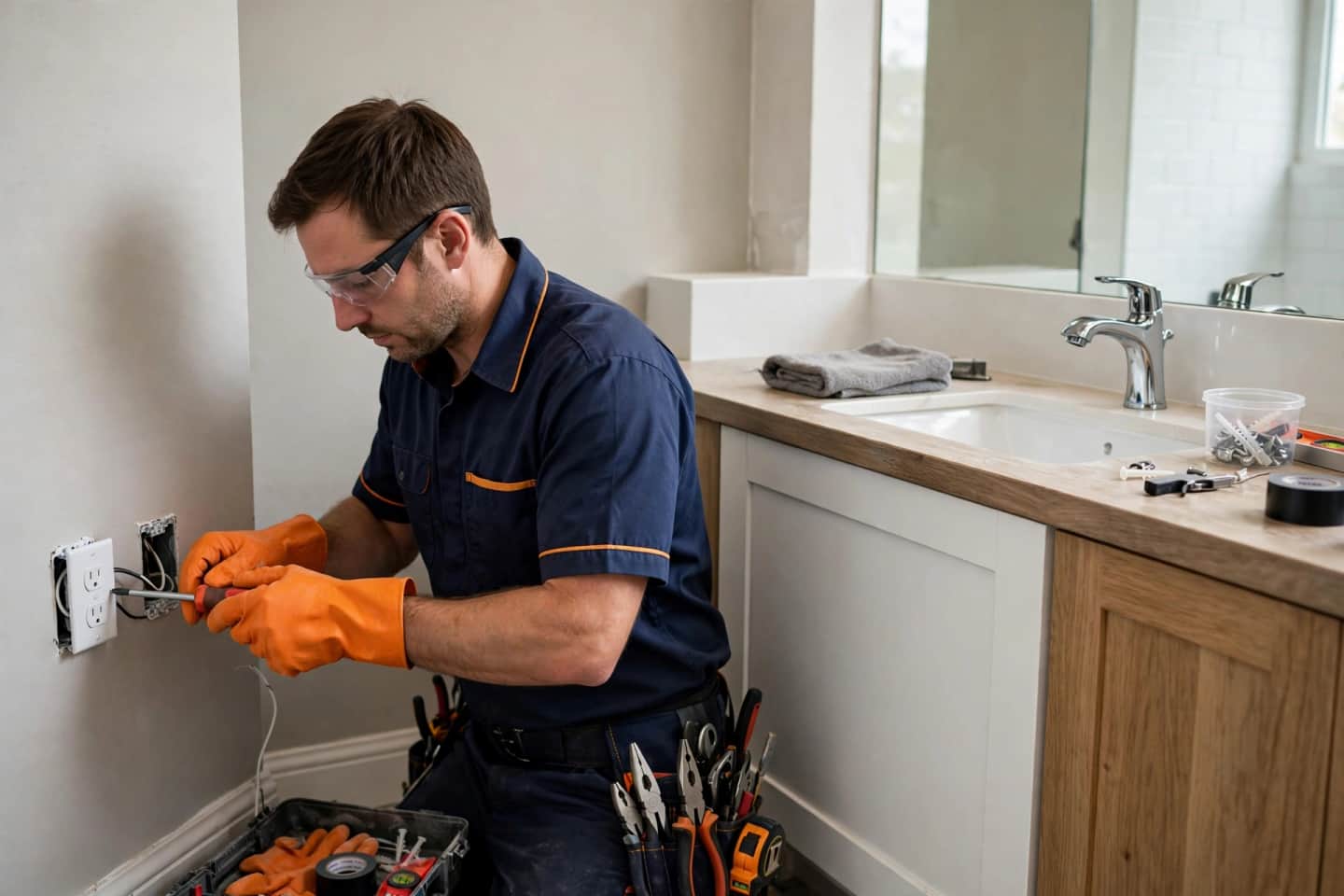
Utah is one of the fastest-growing states in the country, with new homes spreading across Salt Lake, Utah, Davis and Washington counties. The Wasatch Front sits on an active fault — the 2020 Magna earthquake was a reminder — and hurricane-force canyon winds, wildfire, winter inversions and St. George’s desert heat all shape electrical needs.
The hazards that drive the most electrical calls here, and how homeowners prepare for them.
Winter storms and cold
Heavy snow and wind cause outages when heating demand is highest. Generators, dedicated circuits for space heaters, and heat-tape circuits with GFCI protection are common winter projects. Avoid running heaters through extension cords or power strips.
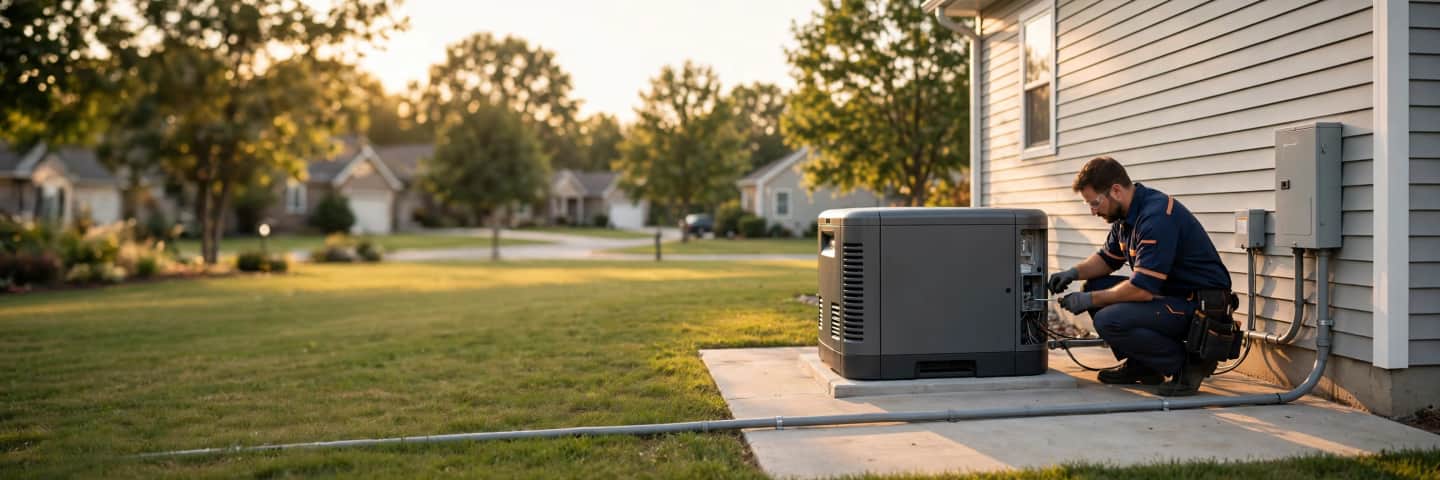
Utilities may shut off power during high fire-risk weather. Battery backup or generator systems with proper transfer equipment keep essential circuits running. Exterior electrical equipment and connections should be kept clear of vegetation.
Ground movement can loosen connections and damage service entrances. Securing water heaters and appliances, checking panel connections after significant quakes, and having backup power plans are practical steps.
Independent licensed electricians serve communities across Utah.
Also serving
Salt Lake City
West Valley City
Provo
West Jordan
Ogden
State guide
Electrical work in Utah
Utah’s utilities
Rocky Mountain Power serves most of Utah’s population. Municipal utilities serve cities such as Provo, Murray, Logan, St. George, Bountiful and Lehi, and electric cooperatives serve many rural areas.
Utah homes cannot choose a retail supplier. Your utility sets the rules for service upgrades, solar and battery interconnection and generator connections.
Licensing and permits
Utah licenses electricians — including apprentice, journeyman, residential journeyman, master and residential master — through the Division of Professional Licensing, and electrical contractors hold a contractor license with an electrical classification. Licenses can be verified online.
Cities and counties issue electrical permits and inspect work under the state-adopted codes. Panel upgrades, new circuits, EV chargers, solar, batteries and generators require permits.
Earthquakes on the Wasatch Fault
The Wasatch Fault runs along the base of the mountains through the most populated part of the state. On March 18, 2020, a magnitude 5.7 earthquake centered near Magna damaged buildings and knocked out power to tens of thousands of homes. A larger quake on the Wasatch Fault is a long-term risk.
Preparation includes securing water heaters and appliances, knowing how to shut off the main breaker and having backup power. After any significant quake, check for meter bases pulled from walls, damaged masts or burning smells.
Canyon windstorms
Downslope winds rushing out of the canyons can reach hurricane force along the Wasatch Front. In September 2020, a windstorm toppled thousands of trees in Davis and Salt Lake counties and left many homes without power for days. Falling trees damage service drops, masts and meter bases, which must be repaired by an electrician before reconnection.
Wildfire
Wildfire threatens foothill neighborhoods along the Wasatch Front and communities throughout rural Utah. Utilities may de-energize lines during extreme fire weather. Keeping vegetation clear of service drops and exterior equipment, and having backup power, reduce risk and disruption.
Winter snow and cold
Mountain snowstorms bring heavy snow to the Wasatch Front and enormous snowfall in the mountains. Snow and ice pull on service drops and damage weatherheads. Furnaces need electricity to run, so backup plans should include heating equipment, and heat tape belongs on dedicated, GFCI-protected circuits.
Inversions and indoor air
Winter inversions trap pollution in the Salt Lake Valley for days at a time, and summer wildfire smoke adds to air quality concerns. Many homeowners add air purifiers and ventilation upgrades, and electrification of heating is encouraged to reduce emissions. Heat pumps and induction cooking add load that should be checked against panel capacity.
Growth and new construction
Utah’s rapid growth means large numbers of new homes in places like Lehi, Saratoga Springs, Herriman, Eagle Mountain and St. George. New homes usually have 200-amp services, but finished basements, EV chargers, hot tubs and accessory apartments can fill panels quickly. Planning spare capacity early saves money later.
Basement apartments and ADUs
Utah’s large households and housing costs have made basement apartments and accessory dwelling units common, and state law has expanded where internal ADUs are allowed. Converting a basement to a separate unit typically requires a subpanel, separate smoke and carbon monoxide alarms, egress and, in some cases, a separate meter.
Salt Lake City’s older neighborhoods
The Avenues, Sugar House, Liberty Wells and Capitol Hill neighborhoods in Salt Lake City have homes from the late 1800s through the 1940s, many with knob-and-tube wiring, fuse panels and small services. Ogden, Provo and Logan have similar older neighborhoods near downtown.
Solar, batteries and EVs
Utah has abundant sunshine and strong interest in rooftop solar, though changes to how Rocky Mountain Power credits exported solar have made batteries more attractive. EV ownership is growing quickly along the Wasatch Front. A load calculation decides whether an older service can support a Level 2 charger and heat pump.
St. George and southern Utah
St. George and Washington County have desert summers above 100°F, rapid growth, retirees and vacation homes. Air conditioning runs for months, and monsoon storms bring lightning and dust. Pools, casitas and RV hookups are common, and all need properly rated circuits.
Mountain homes and resorts
Park City, the Cottonwood Canyons and other mountain communities have homes and condos with heated driveways, snowmelt systems, hot tubs and EV chargers, all large loads. Heavy snow and remote locations make backup power and robust service equipment important.
Rural Utah
Rural Utah properties often rely on wells, long service runs and cooperatives. Ranches and farms have outbuildings and irrigation pumps with heavy loads. Backup power for wells and properly sized feeders for outbuildings are common needs.
Regional differences
The Wasatch Front focuses on growth, earthquake readiness, canyon winds and electrification. Utah County is among the fastest-growing areas in the country. Southern Utah faces desert heat and growth. Mountain resort communities have snow and large loads. Rural Utah is dry and remote.
Common electrical calls in Utah
Frequent requests include basement finishing and ADU subpanels, EV charger installations, solar and battery panel work, storm repairs after windstorms, surge protection, rewiring older Salt Lake homes and hot tub circuits.
Emergency preparedness and backup power
Utah has a strong culture of household emergency preparedness, and many families keep food storage, water and supplies for earthquakes and other disasters. Backup power is a natural part of that planning. A portable generator with a listed interlock, a standby generator, or a battery system can keep refrigeration, freezers, medical equipment, lighting and communications running after an earthquake or windstorm. Sizing the system for the loads that matter most keeps cost down.
Large homes and family loads
Many Utah homes are large and house big families, with multiple refrigerators and freezers, two laundry setups, home theaters, and finished basements. Those loads add up quickly. When adding an EV charger, hot tub or basement apartment, a load calculation shows whether the existing service has room or whether load management or a service upgrade is needed.
Hot tubs and outdoor living
Hot tubs are popular throughout Utah, from Wasatch Front backyards to Park City condos. They require a dedicated 240-volt circuit, a GFCI-protected disconnect within sight of the tub, and correct bonding. Outdoor kitchens, patio heaters and landscape lighting add more outdoor circuits that need weather-resistant devices.
Buying an older Utah home
Inspections of older homes in Salt Lake City, Ogden and Provo often find fuse panels, knob-and-tube wiring, ungrounded outlets and amateur basement finishing. Homes from the late 1960s and 1970s sometimes have aluminum branch wiring. An electrician’s written evaluation clarifies what must be fixed before closing.
Lightning and surge protection
Summer thunderstorms along the Wasatch Front and in southern Utah produce frequent lightning, and surges damage furnace and air conditioning control boards, garage door openers and electronics. A whole-home surge protective device at the panel is an inexpensive layer of protection, especially when added during other panel work.
Canyon homes and wildland edges
Homes in the foothills and canyon mouths — from Emigration and Millcreek canyons to the benches above Provo and Ogden — face the strongest winds, the highest wildfire risk and the longest restoration times. Underground service where practical, defensible space around exterior equipment and backup power are worth discussing with an electrician.
Winter timing for outdoor work
Frozen ground and snow make trenching for garage feeders and EV charger runs harder in winter, so many Utah homeowners schedule outdoor electrical work between spring and fall.
Working with an electrician in Utah
Verify the electrician’s DOPL license and the contractor’s license, ask who will pull the permit, and get a written scope. For solar, batteries and service upgrades, ask how the electrician will coordinate with Rocky Mountain Power or your city utility. For basement apartments, confirm the city allows the unit before starting.
Electrical licensing and permits in Utah are set by state and local authorities. The electrician confirms what applies to your project.
Services
Most requested in Utah
Ranked by how many of this state’s climate risks each service addresses.
Connect with an independent licensed electrician near you
Smoke, flames or sparking? Leave the building and call 911 first.
Pronto Electrician is a free referral service. Calls are answered by independent licensed electricians in your area. Pronto Electrician does not perform electrical work, and the electrician you choose sets the price, schedule, permits and warranty.
Free to call · All 50 states + DC
Talk to a licensed electrician in Utah
Describe the problem and get connected with an independent licensed electrician who serves your area.