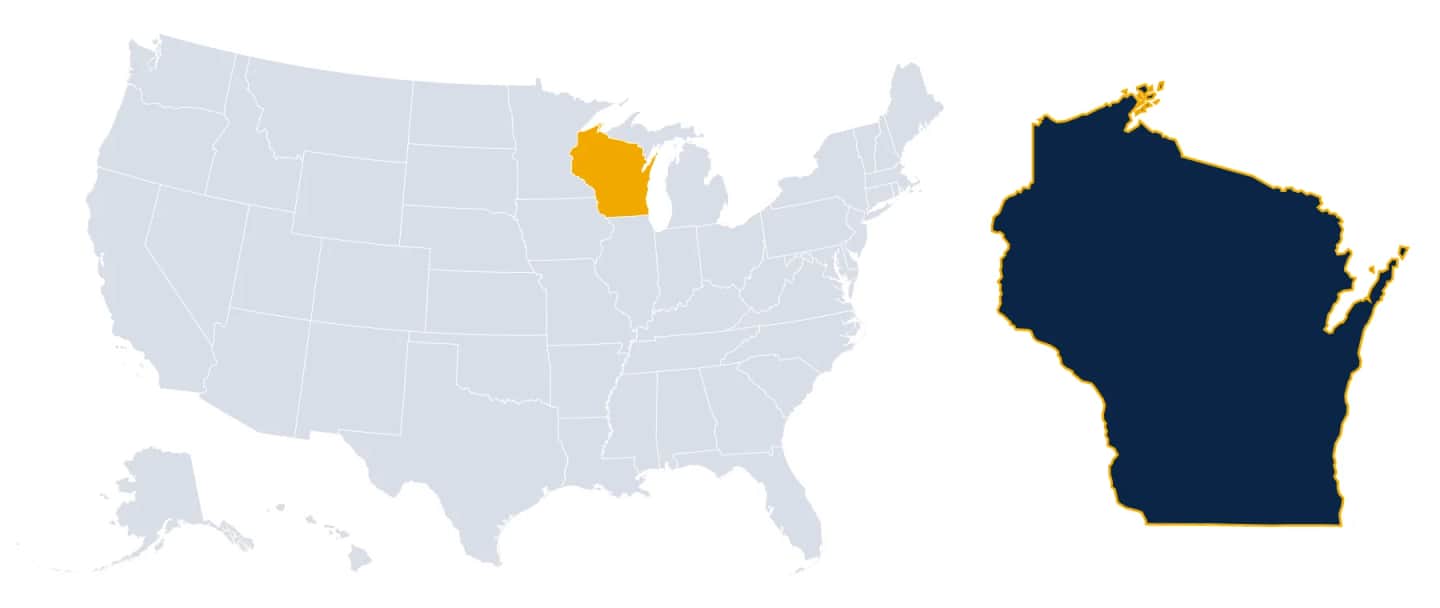
Wisconsin’s electrical needs are shaped by long, cold winters, summer storms and tornadoes, and a housing mix that ranges from Milwaukee duplexes and Madison bungalows to dairy farms and Northwoods cabins. Electricians are licensed by the state, and dairy country has electrical concerns — like stray voltage — that few other states share.
The hazards that drive the most electrical calls here, and how homeowners prepare for them.
Winter storms and cold
Heavy snow and wind cause outages when heating demand is highest. Generators, dedicated circuits for space heaters, and heat-tape circuits with GFCI protection are common winter projects. Avoid running heaters through extension cords or power strips.
Storm damage can tear service masts and meter bases from the home. After a storm, look for a leaning mast or pulled service cable and keep clear — the utility side stays energized. Repairs to the mast and meter base are usually the homeowner’s responsibility.
We Energies serves Milwaukee and much of eastern Wisconsin. Wisconsin Public Service serves Green Bay and northeastern Wisconsin. Alliant Energy serves large parts of southern and central Wisconsin, Madison Gas and Electric serves Madison, and Xcel Energy serves Eau Claire, La Crosse and northwestern Wisconsin. Wisconsin also has more than 80 municipal utilities and many electric cooperatives.
Wisconsin does not have retail choice. Your utility sets the requirements for service upgrades, meter changes and reconnection.
Licensing and inspections
Wisconsin licenses electricians and electrical contractors through the Department of Safety and Professional Services, with journeyman, master and other credentials, and requires electrical contractors to employ a master electrician. You can verify credentials online.
Electrical work follows the state electrical code, based on the National Electrical Code. Municipalities and counties issue permits and inspect work, and state inspectors cover areas without local programs. One- and two-family homes also fall under the Uniform Dwelling Code.
Winter and heating
Wisconsin winters are long and bitterly cold, especially in the north. Furnaces and boilers need electricity to run, so outage plans should include heating equipment. Heat tape on pipes and roof edges should be on dedicated, GFCI-protected circuits. Ice dams on roofs can damage service masts and weatherheads, and heavy snow loads pull on overhead service drops.
Space heaters on old circuits are a common source of overheated outlets during cold snaps. Dedicated circuits are safer.
Milwaukee duplexes and Polish flats
Milwaukee is known for its duplexes — two-story houses with one unit per floor — and for “Polish flats,” cottages that were raised to add a living unit in the basement. Many were built between the 1890s and 1930s and have separate meters and panels for each unit, original or partially updated wiring, and basements that take on water. Landlords commonly need panel upgrades, GFCI protection and smoke alarm updates.
Madison and older neighborhoods
Madison’s Willy Street, Tenney-Lapham and Vilas neighborhoods, along with older parts of Green Bay, Kenosha, Racine, Oshkosh and La Crosse, have early-1900s homes with knob-and-tube wiring and small services. Madison’s August 2018 floods inundated homes on the west side and near the isthmus, showing that flash flooding is a real risk even in inland cities.
Storms and tornadoes
Summer thunderstorms, derechos and tornadoes regularly cause outages across Wisconsin. Falling limbs damage service drops in wooded neighborhoods. Masts and meter bases damaged on the house side must be repaired by an electrician before the utility reconnects.
Dairy farms and stray voltage
Wisconsin dairy farmers have long been concerned about stray voltage — small voltages between surfaces that cows touch, such as water bowls and stall equipment, which can affect animal behavior and milk production. Causes can include on-farm wiring problems and utility system issues, and Wisconsin utilities and regulators have procedures for investigating complaints. Electricians experienced with farm wiring can test for stray voltage and correct grounding and bonding problems.
Farm wiring also faces moisture, dust, corrosive barn environments and rodents, all of which make periodic inspection important for fire safety.
Northwoods cabins and lake homes
Northern Wisconsin has thousands of lakes and seasonal cabins. Wiring in cabins is often decades old and modified over generations, and homes left empty through winter need careful opening each spring. Docks and boat lifts need ground-fault protection and wet-location wiring. Long rural lines and heavy snow mean longer outages, so backup power for wells and heat is valuable.
Basements and sump pumps
Most Wisconsin homes have basements, and many rely on sump pumps during spring thaws and heavy rain. Battery backup pumps or generator circuits keep basements dry when storms cut power. Panels and water heaters in damp basements should be checked for corrosion.
Heat pumps, EVs and solar
Cold-climate heat pumps are growing in Wisconsin, often paired with existing gas furnaces as backup. EV ownership is rising in Milwaukee, Madison and their suburbs. A load calculation decides whether an older 100-amp service can support these additions. Rooftop solar is expanding, and each utility sets its own interconnection rules.
Regional differences
Southeast Wisconsin focuses on Milwaukee’s older duplexes and suburban growth. Madison combines older neighborhoods with strong demand for heat pumps and EVs. Northeast Wisconsin around Green Bay has older housing and cold winters. Western Wisconsin has river towns, farms and Xcel service. The Northwoods has cabins, lakes and long outages.
Common electrical calls in Wisconsin
Frequent requests include panel and service upgrades in older duplexes, sump pump backup and generators, rewiring older homes, farm wiring and stray voltage checks, cabin wiring updates, heat tape circuits, surge protection and EV charger installations.
Ice dams and roof heating cables
Ice dams form along roof edges in older, poorly insulated Wisconsin homes, and many homeowners install heating cables on roofs and gutters. These cables need GFCI protection, should be on dedicated circuits, and must be installed and maintained according to the manufacturer’s instructions. Ice and snow sliding off roofs can also damage service masts and weatherheads.
Rental properties and inspections
Milwaukee, Madison and other cities have rental inspection or registration programs that check basic safety, including smoke and carbon monoxide alarms, GFCI protection and visible wiring hazards. Landlords with older duplexes often schedule an electrician before inspection to address common findings.
Lake Michigan shoreline
Communities along Lake Michigan, from Kenosha to Door County, face strong winds, lake-effect snow and fluctuating lake levels that have eroded bluffs. Shoreline homes need secure masts and weatherheads, and Door County’s seasonal homes and rentals benefit from electrical checks before the summer season.
Problem panels and home sales
Home inspections in Wisconsin commonly flag fuse panels, older panels with known concerns, knob-and-tube wiring, ungrounded outlets and amateur basement wiring. An electrician’s written evaluation helps buyers and sellers agree on what must be fixed before closing.
Generators for rural homes
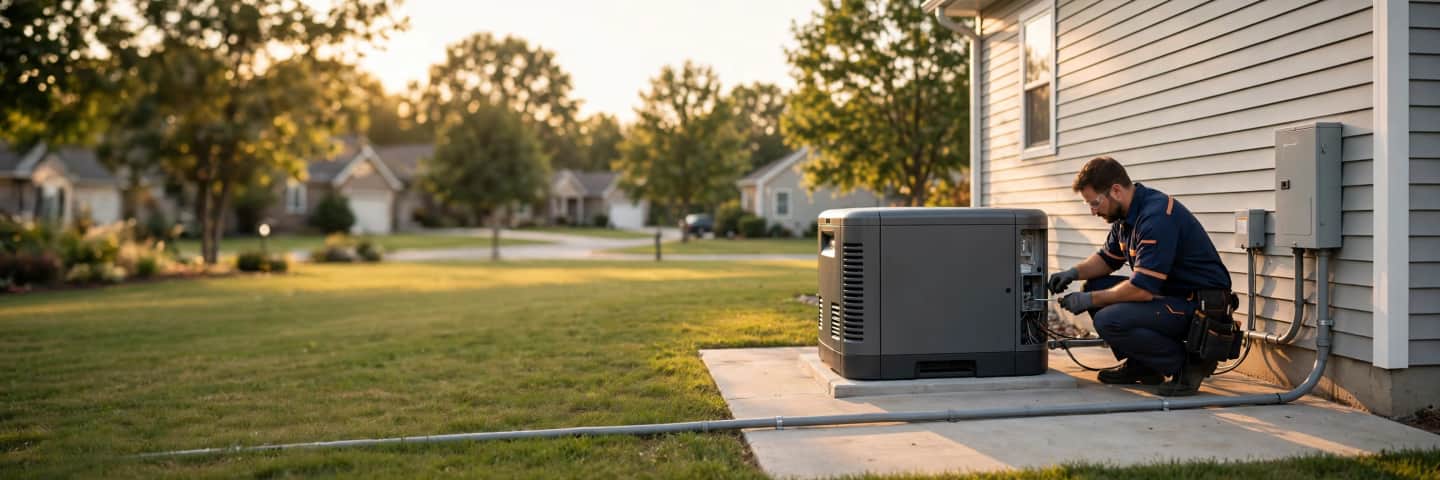
Rural Wisconsin homes often depend on wells, sump pumps and LP or oil heating systems that all need electricity. A generator connected through an interlock or transfer switch and sized for the well pump, furnace and refrigeration keeps a home safe through winter outages.
Lightning and surges
Summer storms bring frequent lightning across Wisconsin, especially in rural areas. Surge protection at the panel helps protect furnace boards, well pump controllers and farm equipment controls.
Basement flooding in Milwaukee
Milwaukee and its suburbs have seen repeated basement flooding during intense summer storms, as combined and separate sewer systems back up. Because panels, water heaters and laundry often sit in basements, flooding is also an electrical hazard. Keeping power off to flooded areas until an electrician has inspected them, and adding backup power for sump pumps, are the main precautions.
Detached garages and outbuildings
Many Wisconsin homes, especially in older city neighborhoods and on rural properties, have detached garages, workshops and sheds. Powering them correctly requires a properly sized feeder, a disconnect and grounding, and outdoor circuits need GFCI protection. Detached garages are also the usual place for EV chargers in older neighborhoods.
Winter construction and cold-weather work
Wisconsin electricians work through the winter, but frozen ground makes trenching for new underground services, garage feeders and EV charger runs harder and more expensive. Homeowners planning outdoor electrical work often schedule it between spring thaw and late fall, leaving interior projects such as panel upgrades and rewiring for the winter months.
Working with an electrician in Wisconsin
Verify the electrician’s state credentials and the contractor’s license, ask who will pull the permit and inspect the work, and get a written scope. For service upgrades and storm repairs, ask how the electrician will coordinate with We Energies, WPS, Alliant, MGE, Xcel or your municipal utility or cooperative.
Electrical licensing and permits in Wisconsin are set by state and local authorities. The electrician confirms what applies to your project.
Services
Most requested in Wisconsin
Ranked by how many of this state’s climate risks each service addresses.
Connect with an independent licensed electrician near you
Smoke, flames or sparking? Leave the building and call 911 first.
Pronto Electrician is a free referral service. Calls are answered by independent licensed electricians in your area. Pronto Electrician does not perform electrical work, and the electrician you choose sets the price, schedule, permits and warranty.
Free to call · All 50 states + DC
Talk to a licensed electrician in Wisconsin
Describe the problem and get connected with an independent licensed electrician who serves your area.