
01
Duplexes and flats
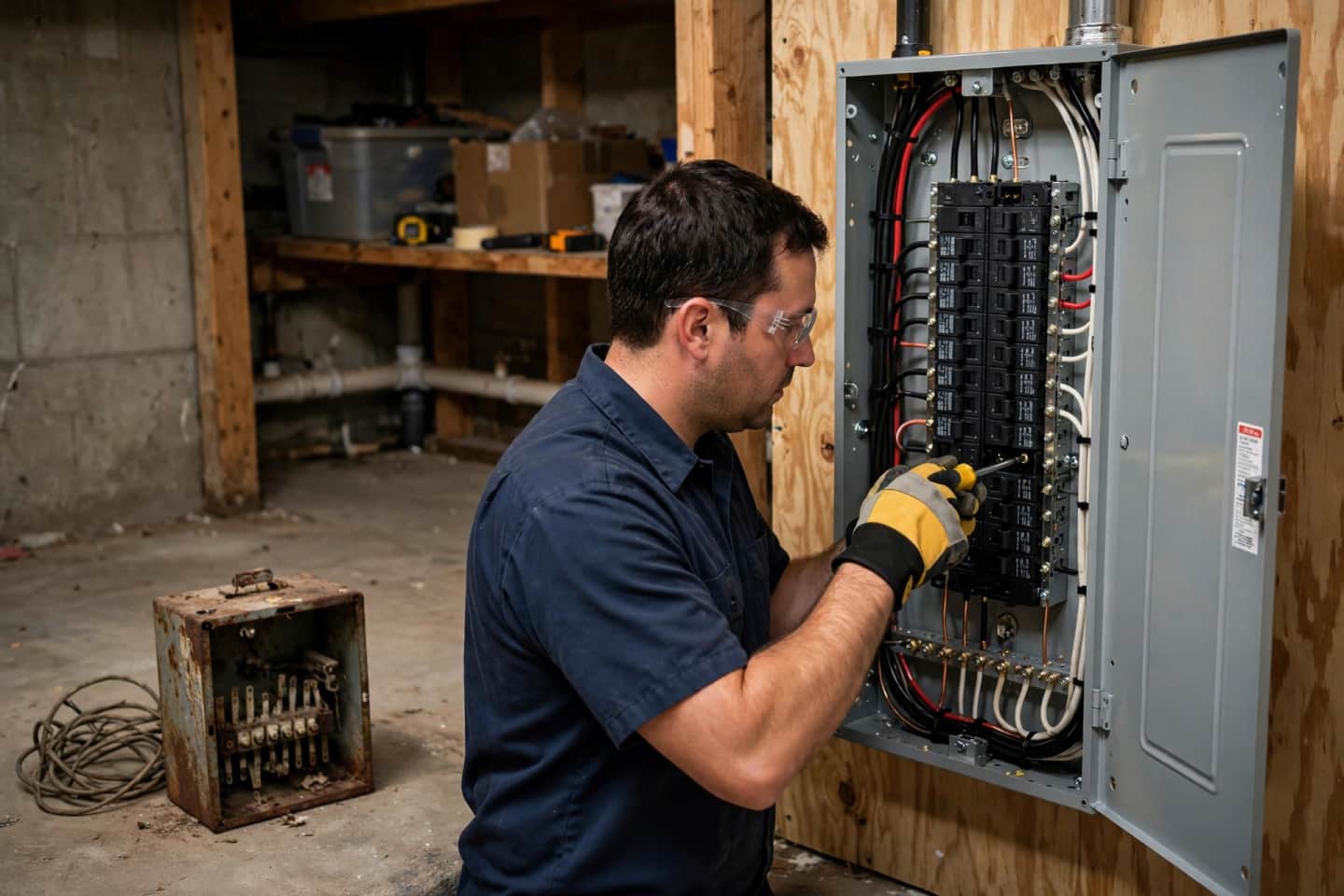
Upper-lower duplexes have separate meters and panels for each unit, often both in the basement. Upgrading one usually prompts upgrading the other.
Electrical Panel Upgrade
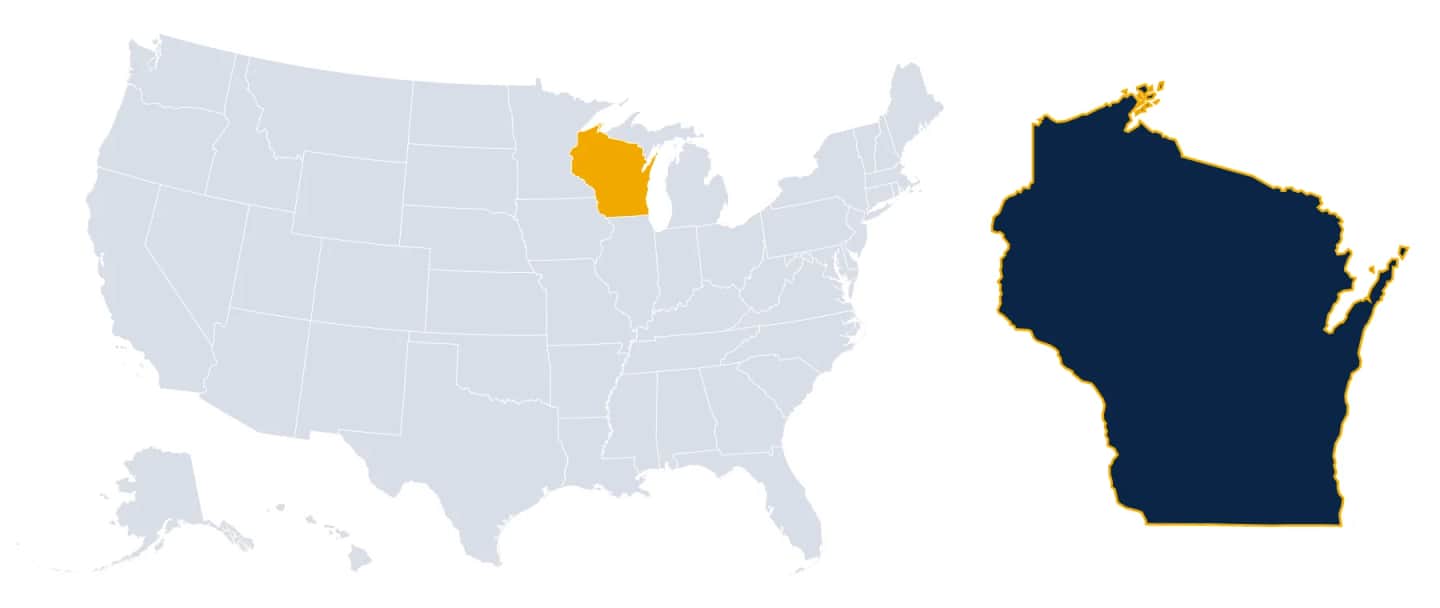
Milwaukee sits on the western shore of Lake Michigan, where long cold winters, summer thunderstorms and basement flooding shape home maintenance. We Energies supplies power, and the city’s housing is dominated by century-old duplexes, Polish flats and bungalows. Many homes still have knob-and-tube wiring, small services and basement panels that need attention.
Free to call · Independent licensed electricians
Serving Bay View, Riverwest, Washington Heights, Walker’s Point, Sherman Park, the East Side and every other Milwaukee neighborhood.
Milwaukee at a glance
Electrical services in Milwaukee
The calls Milwaukee homeowners make most, followed by every service independent licensed electricians handle here.
Not sure which service you need? Describe the problem and an electrician will tell you.
Call for Electrical Service in MilwaukeeHousing and wiring
Milwaukee is a city of duplexes, with upper and lower flats built from the 1890s through the 1920s. Polish flats, raised cottages with a basement unit, are common on the south side. Bay View has workers’ cottages, the East Side and Washington Heights have larger homes from the early 1900s, and the northwest side has post-war bungalows and ranches.
Neighborhoods we cover
Local issues
Problems that come up again and again in local homes, and the service that fixes each one.
Upper-lower duplexes have separate meters and panels for each unit, often both in the basement. Upgrading one usually prompts upgrading the other.
Electrical Panel UpgradeHeavy rains, including the July 2010 storms, have flooded thousands of Milwaukee basements. Sump pumps need dedicated circuits and backup power.
Generator InstallationMany older Milwaukee homes still have knob-and-tube wiring, which insurers and buyers often want replaced.
House RewiringLocal guide
History, housing, weather and rules that shape electrical work in Milwaukee, WI.
Milwaukee has one of the highest concentrations of duplexes of any American city. Most are upper-lower flats with separate entrances, separate meters and separate panels, typically side by side in the basement. Many owners live in one unit and rent the other. Electrical upgrades in a duplex are usually planned for both units at once, since the services, meters and grounding are shared at the building level.
Polish flats are a distinctly Milwaukee housing type. Immigrant families built small cottages and later raised them to add a living unit in a new half-basement below. These homes often have low basement ceilings, original wiring from the early 1900s and panels added much later. Renovations commonly replace the service and rewire both units, and basement units need proper egress, alarms and ground-fault protection.
Bay View, on the lakefront south of downtown, grew around a rolling mill in the late 1800s and has workers’ cottages, duplexes and larger homes near the lake. It has become a popular neighborhood with restaurants and shops along Kinnickinnic Avenue. Renovations often uncover knob-and-tube wiring and require service upgrades for modern kitchens, finished basements and EV chargers.
Riverwest, along the Milwaukee River, is known for its duplexes, cooperatives and arts scene, while neighboring Harambee has historic homes and long-standing Black communities. Many homes in both neighborhoods have original wiring and small services, and community organizations sometimes help owners with repairs.
The East Side, near the University of Wisconsin–Milwaukee and Lake Park, has large homes from the early 1900s, many divided into student rentals. Restoring them often involves consolidating panels, upgrading services and rewiring several units.
Washington Heights and Sherman Park, on the west side, have substantial homes from the 1910s and 1920s, including Arts and Crafts and Tudor styles. Renovations frequently replace original wiring and fuse panels, and homes with detached garages may need new feeders for EV chargers or workshops.
Walker’s Point and the Historic Third Ward have converted warehouses and new condo buildings alongside older cottages. Residents in converted buildings work with management for electrical changes, while cottage owners often face complete rewiring.
Milwaukee winters are long and cold, with temperatures sometimes falling well below zero. Furnaces need power for blowers and controls, and heat tape on pipes and roof edges should be on dedicated ground-fault-protected circuits. Space heaters used on old circuits are a common cause of overloads and fires.
Ice dams form on many older homes with poor insulation, and some owners use heat cables on roof edges and gutters. These cables must be listed for the purpose, installed with ground-fault protection and plugged into outdoor-rated outlets.
On July 22, 2010, more than seven inches of rain fell on parts of Milwaukee in a few hours, flooding thousands of basements on the north and west sides. Many homes lost furnaces, water heaters and panels. Since then, the Milwaukee Metropolitan Sewerage District has invested in storage and green infrastructure, but sump pumps with battery backup and raised equipment remain smart investments.
Milwaukee is replacing thousands of lead water service lines with new pipe. In many older homes, the metal water line served as part of the electrical grounding system. When a metallic water service is replaced with plastic, or a section is cut out, the home’s grounding should be checked and supplemental grounding electrodes added if needed. Homeowners getting a lead line replaced should ask an electrician to confirm their grounding.
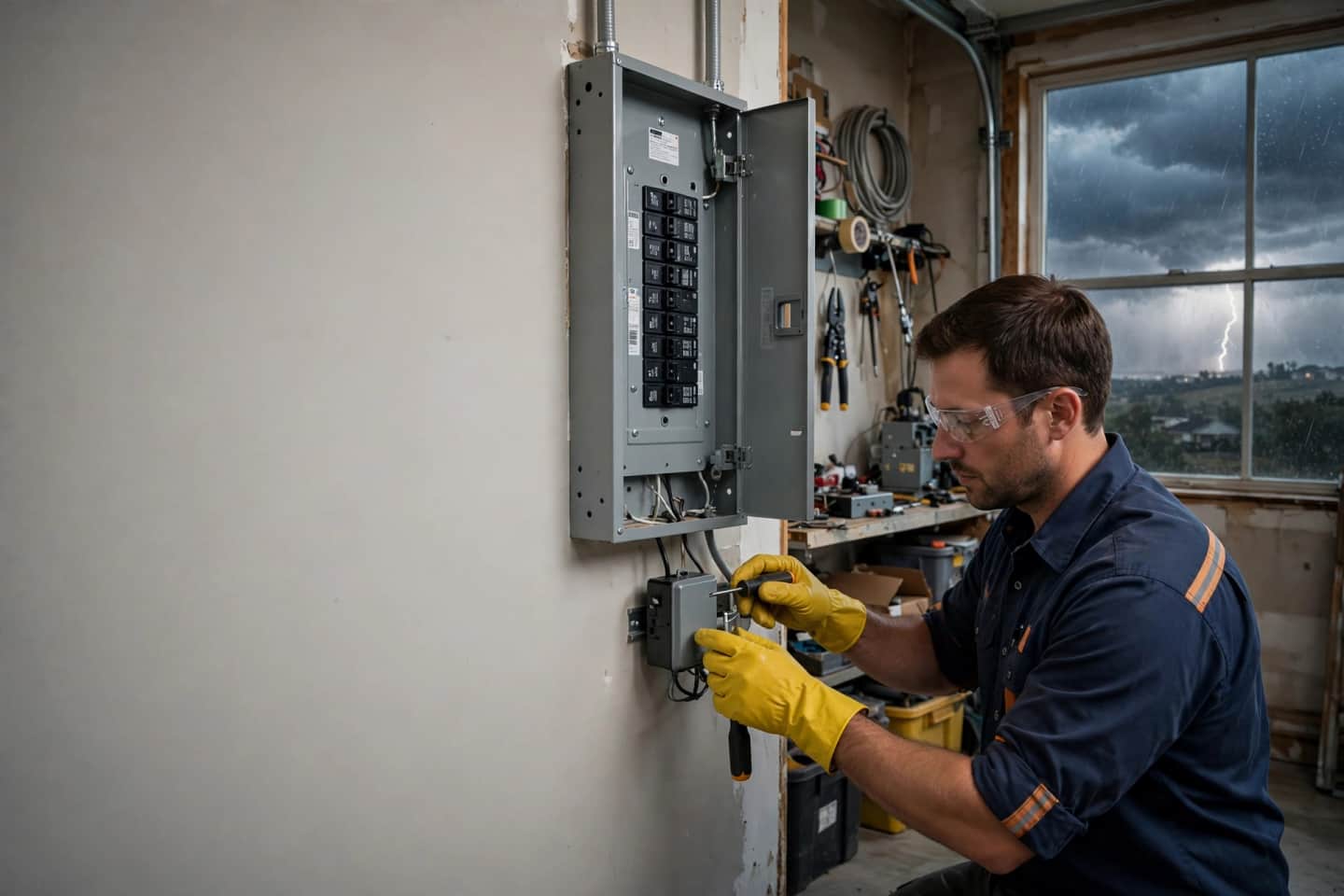
Summer thunderstorms bring wind, lightning and occasional tornado warnings to southeastern Wisconsin. Mature trees overhang many service drops, and falling limbs damage masts and meters that must be repaired before We Energies reconnects. Whole-home surge protection guards furnace boards and electronics.
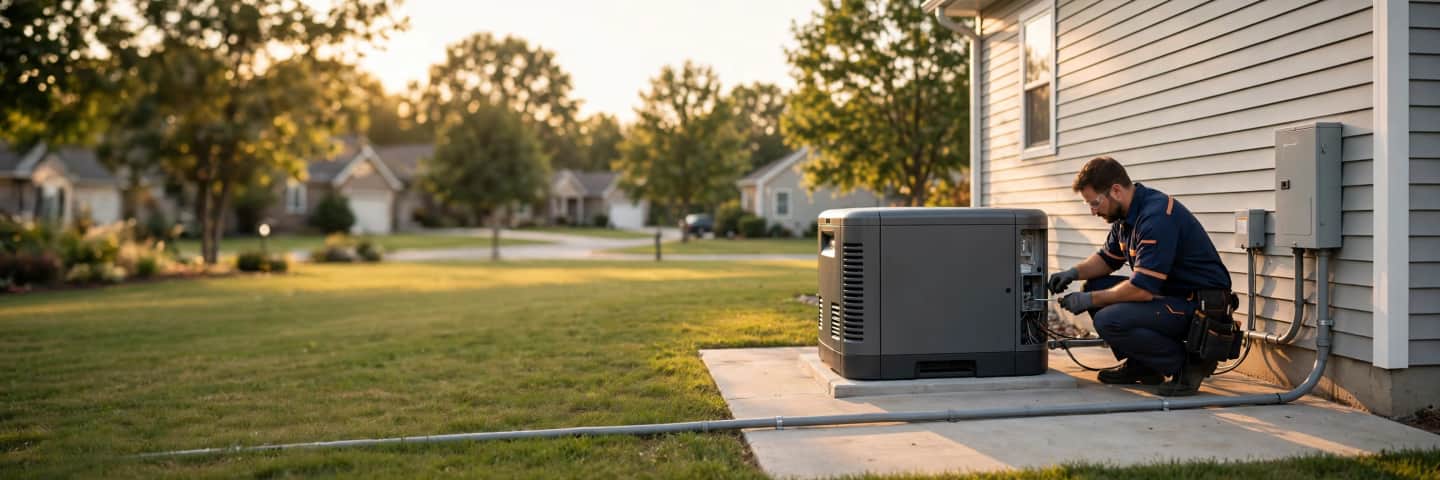
Winter outages can leave homes without heat, and summer storms threaten basements that rely on sump pumps. Portable generators should be connected through a listed interlock or transfer switch, and standby generators require electrical and gas permits.
Cold-climate heat pumps are gaining popularity in Milwaukee, often alongside existing gas furnaces as a dual-fuel system. Each needs dedicated circuits and adequate panel capacity, and older homes may need service upgrades.
Inspections of older Milwaukee homes frequently flag fuse panels, knob-and-tube wiring, ungrounded outlets and basement wiring added without permits. An electrician’s evaluation helps buyers budget for repairs.
Common requests include duplex service upgrades, knob-and-tube replacement, sump pump circuits, grounding checks after water line replacement, storm repairs, surge protection and heat pump circuits.
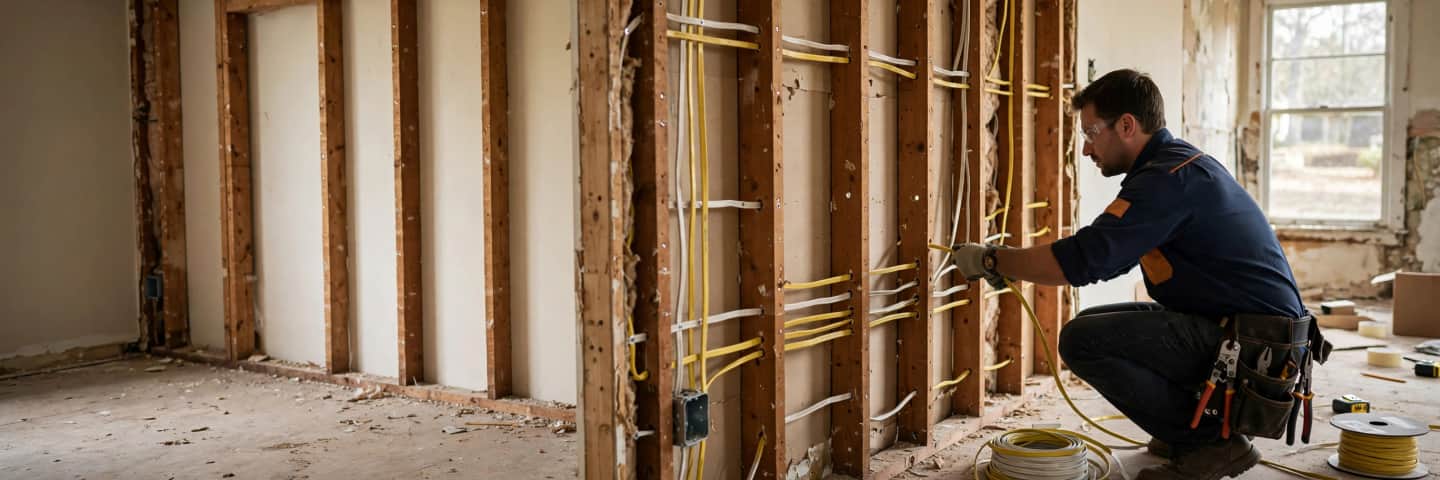
Brewers Hill, on the bluff above the Milwaukee River, and Concordia, on the near west side, have Victorian homes built for brewery owners, managers and workers in the late 1800s. Many were divided into rooming houses and are now being restored as single-family homes. Restorers commonly find abandoned gas lighting pipes, knob-and-tube wiring, multiple meters and panels from different decades. Bringing these houses back usually means a single new service, a full rewire and careful routing through plaster walls and ornate woodwork.
Neighborhoods such as Capitol Heights, Grantosa, Jackson Park and much of the far south side filled with brick bungalows, Cape Cods and ranches after World War II. These homes are newer than the duplex belt but still often have their original 60- or 100-amp services and panels. Kitchen remodels, central air, basement rec rooms and EV chargers are the projects that most often push owners to upgrade.
Homes near the lakefront, from Bay View to the East Side and Shorewood, face strong winds off Lake Michigan and cold spray in winter. Outdoor outlets, meters and lighting fixtures there benefit from weather-resistant covers and corrosion-resistant hardware, and service masts should be well braced against wind.
Milwaukee has a large rental market, much of it in duplexes owned by small landlords. Between tenants, owners commonly repair damaged outlets, add ground-fault protection in kitchens and baths, replace missing cover plates and update smoke and carbon monoxide alarms in both units. Problems found by city inspectors must be corrected under permit.
Small repairs can usually be scheduled quickly. Service upgrades depend on city permits, inspections and We Energies scheduling for disconnecting and reconnecting meters, which can take longer in late fall when many owners rush to finish projects before winter.
Questions
The City of Milwaukee Department of Neighborhood Services issues electrical permits and performs inspections inside city limits. Suburbs such as Wauwatosa, West Allis and Shorewood have their own building departments.
Yes. Wisconsin licenses electricians and electrical contractors statewide through the Department of Safety and Professional Services.
Problem guides
 Breaker Keeps TrippingWhy does my circuit breaker keep tripping?
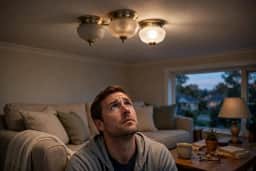 Flickering LightsWhy are the lights in my house flickering?
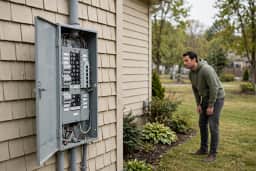 Buzzing Electrical PanelWhy is my electrical panel buzzing?
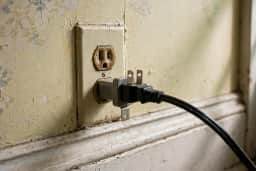 Two-Prong Ungrounded OutletsAre two-prong outlets safe?
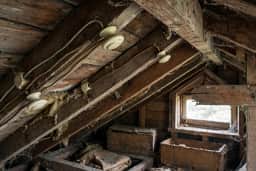 Knob and Tube WiringDo I need to replace knob and tube wiring?
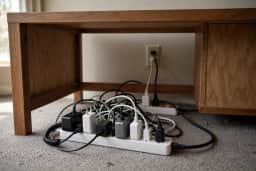 Overloaded Power StripsIs it dangerous to plug a power strip into another power strip?
Same-day help often available
Call an electrician in Milwaukee
Describe the problem and your Milwaukee neighborhood. Your call goes to an independent licensed electrician who works locally.
Call (855) 679-2483Smoke, flames or sparking? Leave the building and call 911 first.
Pronto Electrician is a free referral service. Calls are answered by independent licensed electricians in your area. Pronto Electrician does not perform electrical work, and the electrician you choose sets the price, schedule, permits and warranty.
Free to call · All 50 states + DC
Describe the problem and get connected with an independent licensed electrician who serves your area.