
01
Winter outage safety
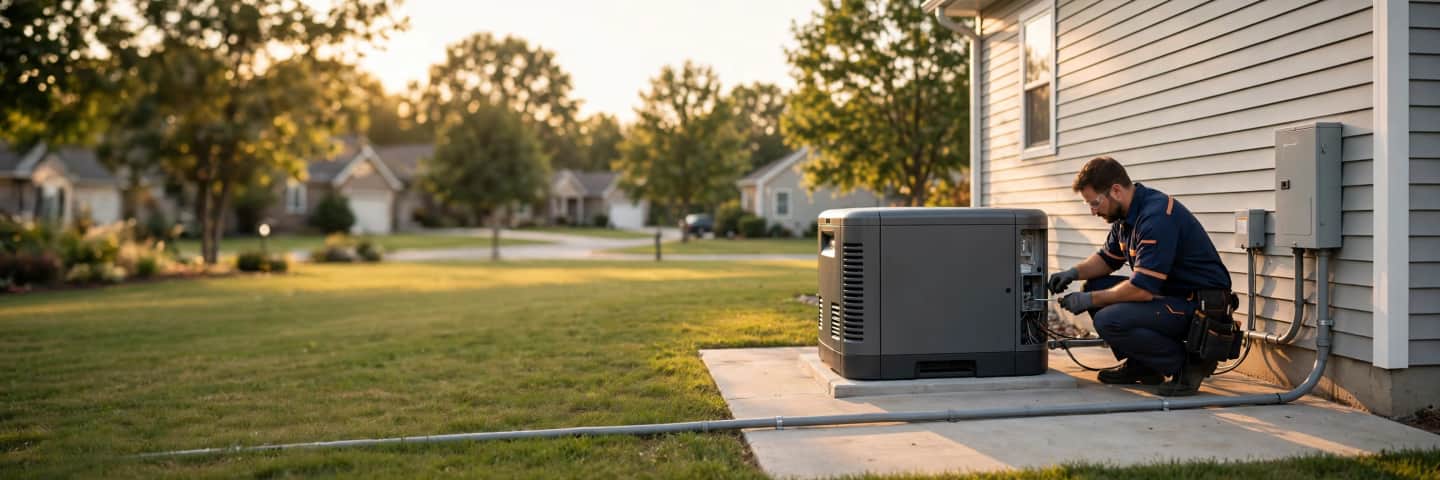
Generators with proper transfer equipment keep furnaces, heat and sump pumps running during winter storms.
Generator Installation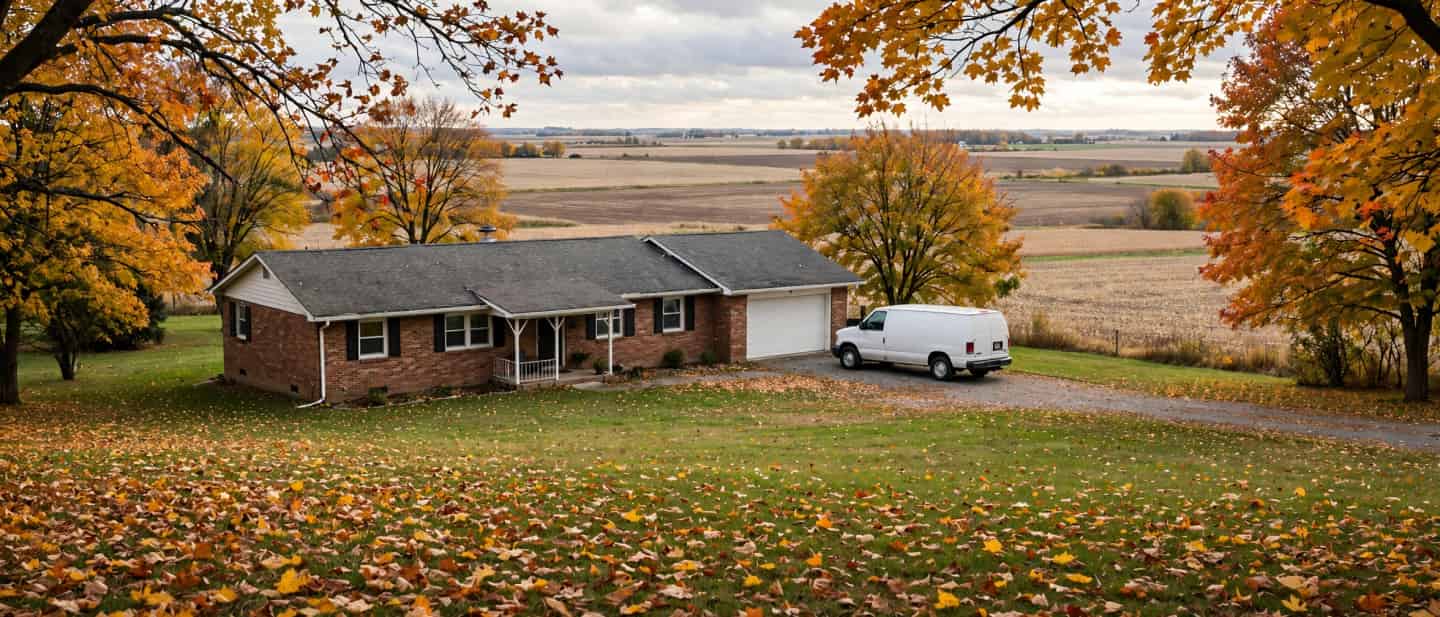
Minneapolis winters are long and cold, and an outage in January is a safety problem, not an inconvenience. Xcel Energy serves the city, and homeowners increasingly add heat pumps, EV chargers and backup power to houses built a century ago. Heat tape, block heaters and space heaters all put extra demand on old circuits in winter.
Free to call · Independent licensed electricians
Serving Longfellow, Powderhorn, Uptown, Northeast, Linden Hills, Nokomis and every other Minneapolis neighborhood.
Minneapolis at a glance
Electrical services in Minneapolis
The calls Minneapolis homeowners make most, followed by every service independent licensed electricians handle here.
Not sure which service you need? Describe the problem and an electrician will tell you.
Call for Electrical Service in MinneapolisHousing and wiring
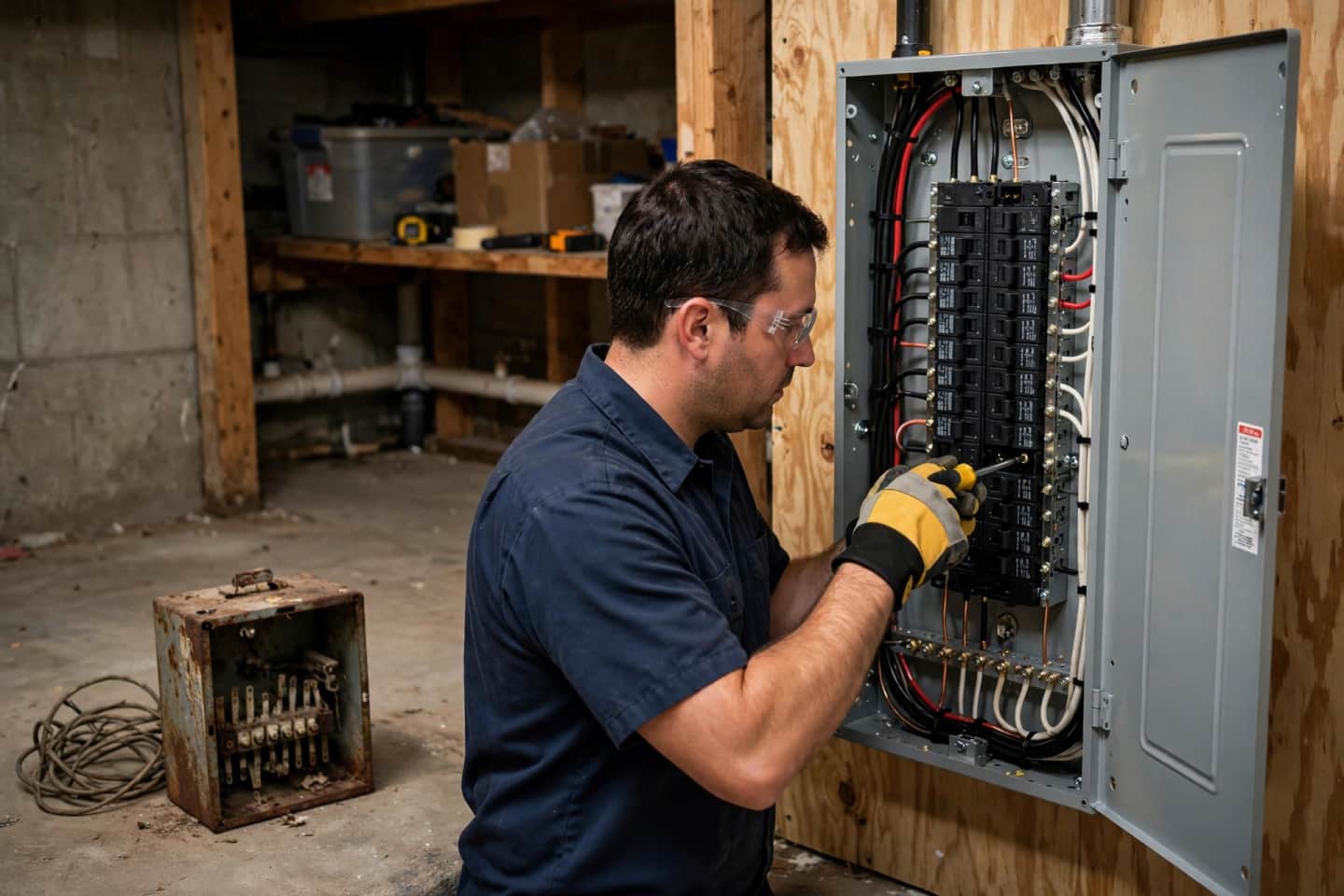
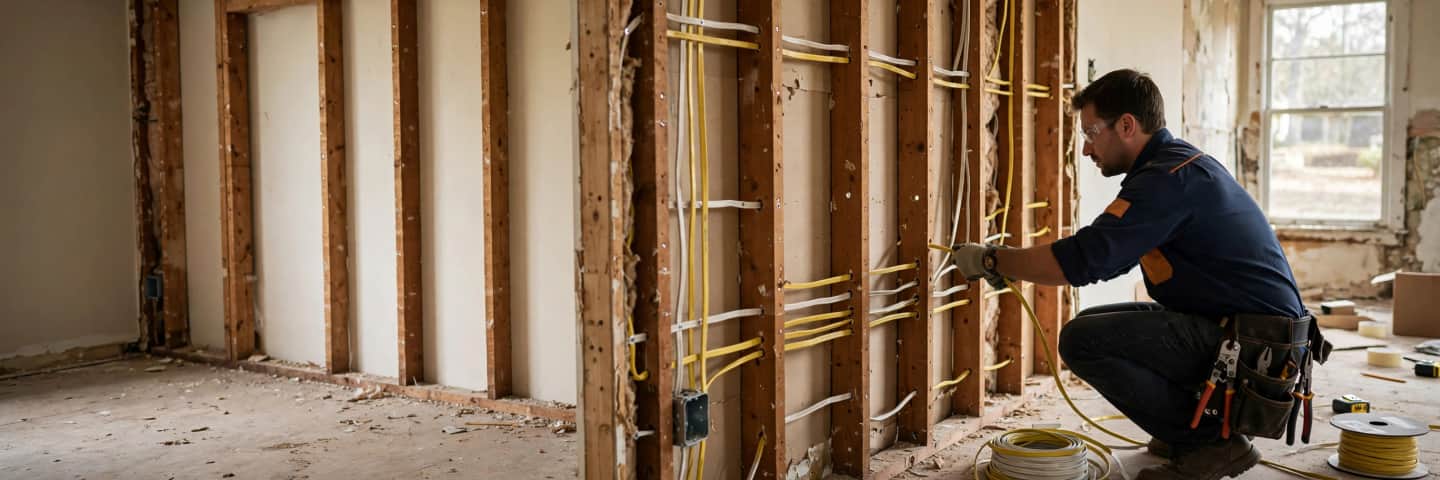
Longfellow, Powderhorn and Northeast are full of 1900s–30s bungalows and foursquares, many with knob-and-tube in parts of the house and 60- to 100-amp services. Basements are often finished with circuits added over the years.
Neighborhoods we cover
Local issues
Problems that come up again and again in local homes, and the service that fixes each one.
Generators with proper transfer equipment keep furnaces, heat and sump pumps running during winter storms.
Generator InstallationHeat pump conversions often require a load calculation and service upgrade in older homes.
Electrical Panel UpgradeSpace heaters and heat tape on old shared circuits overheat. Dedicated, GFCI-protected circuits are safer.
Outlet & GFCI InstallationLocal guide
History, housing, weather and rules that shape electrical work in Minneapolis, MN.
Minneapolis runs its own electrical permit and inspection program rather than relying on the state Department of Labor and Industry, which covers many other Minnesota communities. Licensed contractors pull permits online for most jobs, and the city’s inspectors visit at rough-in and final. St. Paul, Bloomington, Edina and other neighbors have their own processes, so the address determines which office is involved.
Longfellow and Nokomis are filled with 1910s and 1920s bungalows and story-and-a-half homes. Powderhorn and Phillips have older foursquares and duplexes, Northeast has modest homes built for railroad and mill workers, Uptown and Lowry Hill have larger Victorian and Craftsman homes, and Linden Hills and Fulton near the lakes have early-1900s homes on tree-lined streets.
Minneapolis has many up-and-down duplexes and small fourplexes, each unit with its own meter and panel. The city’s 2040 plan allowed up to three units on lots once zoned for single-family homes, encouraging conversions and new small buildings. Each added unit needs its own service planning, alarms and inspection.
Minneapolis requires rental licenses and inspects rental properties, checking for working smoke and carbon monoxide alarms, safe wiring and properly covered boxes. Landlords with older duplexes commonly update panels and add ground-fault protection to pass.
On May 22, 2011, a tornado cut through North Minneapolis, damaging hundreds of homes and toppling mature trees onto lines. Many homes needed new service masts, meter bases and wiring. Storms continue to damage service drops in tree-lined neighborhoods each summer.
Minneapolis winters routinely bring subzero temperatures. Gas furnaces and boilers need electricity for blowers, igniters and pumps, so outages in January are dangerous. A generator connected through an interlock or transfer switch, sized for the heating system, protects the home and pipes.
Homes near Bde Maka Ska, Lake Harriet and Lake of the Isles are among the city’s most valuable, often with large older houses, extensive landscape lighting and detached garages. Renovations frequently include service upgrades, heat pumps and EV chargers.
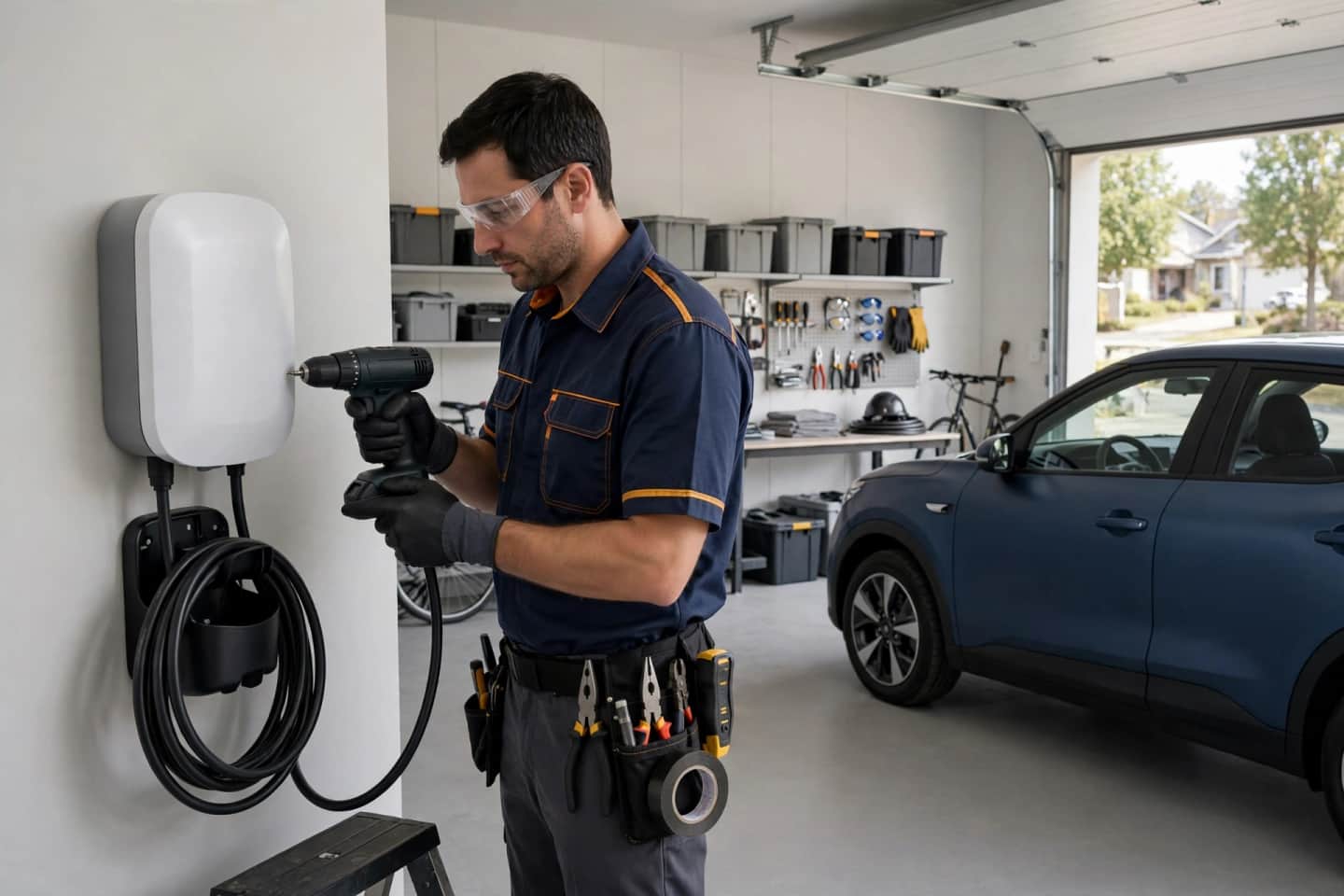
Many Minneapolis homes have detached garages on alleys, where power lines often run. Adding an EV charger usually requires a new underground feeder from the house panel, ideally installed before the ground freezes.
Minneapolis and Xcel Energy encourage cold-climate heat pumps, often paired with existing furnaces for the coldest days. Converting a home to heat pumps requires panel capacity, and older 100-amp services may need an upgrade.
Most Minneapolis homes have basements, many finished into living space. Sump pumps keep basements dry during spring thaws and summer storms, and battery backup protects against outages.
Story-and-a-half homes with steep roofs and poorly insulated attics are prone to ice dams. Roof heating cables need ground-fault protection and dedicated circuits, and better attic insulation is the long-term fix.
Common requests include panel upgrades for heat pumps and EVs, duplex rental updates, garage feeders, generator installations, storm repairs and basement finishing.
Northeast Minneapolis grew around mills, railroads and breweries, and its small homes and duplexes were built for Eastern European immigrant families in the early 1900s. Many still have original wiring sections, small services and basements that flood during heavy rains. Renovations there often combine a service upgrade with new kitchen circuits and basement rewiring.
Minneapolis requires a Truth-in-Sale-of-Housing evaluation before most homes are sold, performed by a city-licensed evaluator. Electrical findings such as missing ground-fault protection, open junction boxes, damaged wiring and improper panel work are reported, and some must be corrected. Sellers often bring in an electrician early to address items before listing.
Many Minneapolis homes have enclosed front porches used year-round, often heated with space heaters plugged into old porch outlets. These circuits can overheat. Adding a dedicated circuit or a small heat pump makes porches safer and more comfortable.
Drivers who park outside in winter often run engine block heaters from exterior outlets overnight. Those outlets should be weather-resistant, ground-fault-protected and on circuits sized for the load, not extension cords run from the kitchen.
Summer thunderstorms bring frequent lightning to the Twin Cities. Whole-home surge protection at the panel protects furnace boards, sump pump controllers and electronics from surges.
Inspections of older Minneapolis homes often find fuse panels, knob-and-tube wiring, ungrounded outlets and amateur basement wiring. Combined with the city’s pre-sale evaluation, these findings shape negotiations before closing.
Small repairs can usually be scheduled quickly, but service upgrades depend on city permits, inspections and Xcel Energy scheduling. Outdoor trenching is best done before the ground freezes in late fall.
Uptown and Lowry Hill have large Victorian and Craftsman homes near the lakes, many converted to apartments or condos over the decades. Restoring them often involves consolidating multiple meters and panels, removing old knob-and-tube and installing modern services sized for heat pumps and EV charging.
South Minneapolis neighborhoods such as Standish, Ericsson and Hale are filled with 1920s bungalows and story-and-a-half homes. Many have finished attics with old wiring, small panels in basements and detached garages on alleys, a combination that shapes most electrical projects there.
During snow emergencies, Minneapolis restricts street parking so plows can clear streets. EV owners without off-street parking find charging harder in winter, which makes a garage or driveway charger especially valuable.
Pipes in exterior walls and unheated porches freeze during subzero cold. Heat tape on dedicated ground-fault-protected circuits helps, while insulation and air sealing provide the lasting fix.
Powderhorn and Phillips have older foursquares, duplexes and small apartment buildings, many rentals. Rental licensing inspections commonly lead to panel updates, ground-fault protection and alarm installations. Community organizations and city programs sometimes help owner-occupants with repairs.
Many Minneapolis homes have natural gas service, making standby generators a practical option for keeping furnaces running during winter outages. Installation requires electrical and gas permits and proper clearance from windows and doors.
Linden Hills and Fulton, near Lake Harriet, have early-1900s homes that are frequently expanded or rebuilt. Renovations there commonly add heated floors, heat pumps, EV chargers and extensive lighting, which together require a service upgrade and careful load planning, plus coordination with Xcel Energy for a larger meter and service drop before work begins in spring or early summer.
Questions
Most new circuits, panel changes and generator installs require a permit and inspection for work within city limits.
Cold-climate heat pumps can, often with backup heat. Electrical capacity is part of the design.
Problem guides
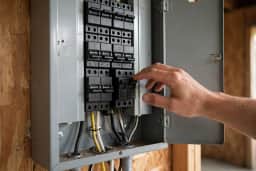 Breaker Keeps TrippingWhy does my circuit breaker keep tripping?
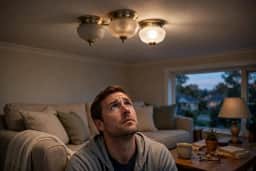 Flickering LightsWhy are the lights in my house flickering?
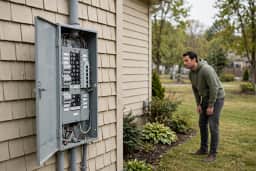 Buzzing Electrical PanelWhy is my electrical panel buzzing?
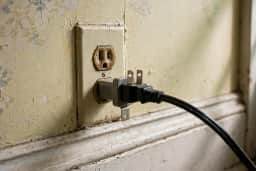 Two-Prong Ungrounded OutletsAre two-prong outlets safe?
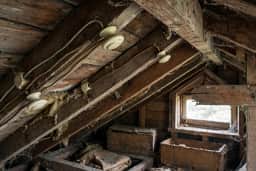 Knob and Tube WiringDo I need to replace knob and tube wiring?
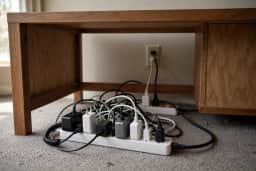 Overloaded Power StripsIs it dangerous to plug a power strip into another power strip?
Same-day help often available
Call an electrician in Minneapolis
Describe the problem and your Minneapolis neighborhood. Your call goes to an independent licensed electrician who works locally.
Call (855) 679-2483Smoke, flames or sparking? Leave the building and call 911 first.
Pronto Electrician is a free referral service. Calls are answered by independent licensed electricians in your area. Pronto Electrician does not perform electrical work, and the electrician you choose sets the price, schedule, permits and warranty.
Free to call · All 50 states + DC
Describe the problem and get connected with an independent licensed electrician who serves your area.