In Minnesota, a January outage is a safety emergency. Furnaces and boilers stop without electricity, pipes freeze within hours, and temperatures can stay below zero for days. The state also sees tornadoes, derechos and spring floods along the Red River, and it has set a goal of carbon-free electricity by 2040, which is driving a wave of cold-climate heat pumps and EV chargers.
The hazards that drive the most electrical calls here, and how homeowners prepare for them.
Winter storms and cold
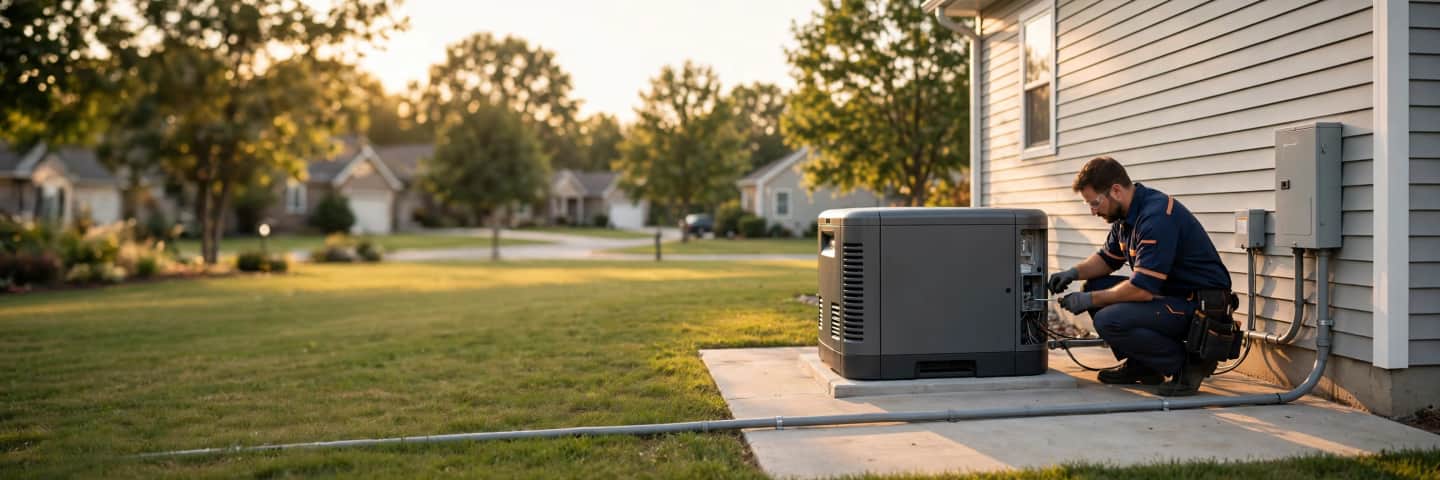
Heavy snow and wind cause outages when heating demand is highest. Generators, dedicated circuits for space heaters, and heat-tape circuits with GFCI protection are common winter projects. Avoid running heaters through extension cords or power strips.
Storm damage can tear service masts and meter bases from the home. After a storm, look for a leaning mast or pulled service cable and keep clear — the utility side stays energized. Repairs to the mast and meter base are usually the homeowner’s responsibility.
Xcel Energy serves Minneapolis, St. Paul and much of the state. Minnesota Power serves Duluth and much of northeastern Minnesota, and Otter Tail Power serves western Minnesota. Electric cooperatives such as Connexus Energy and Dakota Electric serve large suburban and rural areas, and municipal utilities serve cities such as Rochester, Moorhead, Austin and Owatonna.
Minnesota does not have retail choice. Your utility sets requirements for service upgrades, solar interconnection and generator connections, and most offer incentives for heat pumps and EV chargers.
Licensing and inspections
Minnesota licenses electricians — including master and journeyworker electricians — and electrical contractors through the Department of Labor and Industry. You can verify licenses online.
Electrical permits and inspections are handled either by the state Department of Labor and Industry or by cities that run their own electrical inspection programs, such as Minneapolis, St. Paul and Duluth. Homeowners can do some electrical work on their own homes with a permit, but most panel, service and generator work is best left to a licensed electrician.
Extreme cold and heating
Minnesota winters regularly bring stretches of subzero temperatures. Gas furnaces need electricity for blowers, igniters and controls, and hot-water boilers need circulator pumps. During an outage, a home can lose heat quickly, so backup power plans should start with the heating system.
Space heaters are common in drafty older homes and four-season porches, and they overload old circuits. Dedicated circuits for heaters, and GFCI-protected circuits for heat tape on pipes, are safer than extension cords.
Block heaters and garage outlets
Engine block heaters are a Minnesota fixture, and many drivers plug them into garage or exterior outlets overnight. Block heaters draw significant current for hours, so they should be on outlets in good condition, ideally on a circuit that is not shared with other heavy loads. Outdoor outlets need weather-resistant GFCI devices and in-use covers rated for the cold.
Ice, snow and roofs
Ice dams form along the roof edges of many older homes, and roof heating cables are a common remedy. These need GFCI protection and correct installation. Heavy snow and ice can pull on overhead service drops and bend masts, and snow sliding off roofs can damage weatherheads and meter bases.
Tornadoes and derechos
The May 2011 tornado that struck North Minneapolis damaged hundreds of homes, and severe thunderstorms and derechos regularly cause widespread outages across the state. Storms tear service drops off houses and damage masts and meter bases, which must be repaired by an electrician before the utility will reconnect.
Spring floods and the Red River
The Red River of the North, along the border with North Dakota, floods in many springs as snowmelt drains north. The 1997 flood devastated Grand Forks and East Grand Forks, and Moorhead fought a major flood in 2009. Basements throughout the state rely on sump pumps during snowmelt.
Electrical equipment that has been underwater must be replaced. Backup power for sump pumps and raising panels and equipment out of flood-prone basements are practical upgrades.
Twin Cities housing
Minneapolis and St. Paul neighborhoods such as Longfellow, Powderhorn, Northeast, Macalester-Groveland, Frogtown and Highland Park are filled with houses built between about 1900 and 1940. Knob-and-tube wiring, fuse panels and 60- to 100-amp services are common, and basements have often been finished with circuits added over the years.
Post-war suburbs ring the Twin Cities with ramblers and split-levels on original 100-amp panels, and newer exurbs have larger homes built for heavier loads.
Cabins up north
Minnesota has more than ten thousand lakes and a deep tradition of cabins. Many cabins have wiring that has been extended by generations of owners, and they sit empty through much of the winter. Opening a cabin is a good time to check for rodent damage, corroded outdoor outlets and failing GFCI devices. Docks and boat lifts need ground-fault protection to prevent shock hazards in the water, and wells need backup power.
Cold-climate heat pumps
Cold-climate heat pumps can now heat Minnesota homes through much of the winter, and many homeowners install them alongside an existing gas furnace that takes over on the coldest days. Others go fully electric with resistance backup heat, which draws heavy current in subzero weather. Either way, the panel and service must be sized for the coldest day, and older 100-amp services often need an upgrade or load management.
EVs and carbon-free goals
Minnesota’s 2023 law requires utilities to provide carbon-free electricity by 2040. EV ownership is rising in the Twin Cities, and cold weather reduces EV range, which makes reliable home charging more important. A Level 2 charger in a heated or attached garage helps batteries charge efficiently in winter.
Lightning and surges
Summer thunderstorms bring frequent lightning, and surges damage furnace boards, sump pump controllers and electronics. A whole-home surge protective device at the panel is inexpensive protection.
Farms and rural properties
Southern and western Minnesota farms have grain bins, dryers, livestock barns and shops with heavy loads served by long rural lines. Dust, moisture and rodents damage farm wiring, and periodic inspection prevents fires. Generators sized for wells, livestock water heaters and ventilation are essential during winter storms.
Buying an older Minnesota home
Inspections of older Minnesota homes often find fuse panels, knob-and-tube wiring, ungrounded outlets, overloaded basement circuits and amateur porch or attic wiring. Some cities have truth-in-sale-of-housing or time-of-sale inspections that flag electrical issues. An electrician’s written evaluation clarifies what must be fixed before closing.
Regional differences
The Twin Cities focus on older homes, electrification and EV charging. The North Shore and Iron Range face long winters, lake-effect snow off Lake Superior and remote service. Central Minnesota is cabin country. Southern Minnesota is agricultural and storm-prone. The Red River Valley faces flooding and flat, windy terrain.
Common electrical calls in Minnesota
Frequent requests include generator and interlock installations for heating, sump pump backup, panel upgrades for heat pumps and EV chargers, knob-and-tube replacement, heat tape and roof cable circuits, storm repairs, cabin wiring updates and farm wiring inspections.
Boilers and in-floor heat
Many older Minnesota homes heat with hot-water boilers and radiators, and newer homes often have in-floor radiant heat. These systems depend on circulator pumps, zone valves and controls that all need electricity. A generator or battery plan should include the boiler and its pumps, and an electrician can add a transfer switch or dedicated circuit so the heating system can run safely on backup power.
Alleys and detached garages in Minneapolis and St. Paul
Both Twin Cities have extensive alley systems, and many homes have detached garages at the back of the lot with power lines running down the alley. Adding an EV charger, workshop or heated garage usually requires a new feeder from the house panel, run underground in conduit before the ground freezes. Older garages often have undersized wiring that should be replaced when loads are added.
Smoke and carbon monoxide alarms
Minnesota requires carbon monoxide alarms near sleeping areas in homes with fuel-burning appliances or attached garages, and smoke alarms throughout. Because sealed homes and fuel-burning heat run all winter, working alarms are essential. Electricians can replace aging hardwired alarms and add interconnection during renovations.
Working with an electrician in Minnesota
Verify the electrician’s and contractor’s licenses with the Department of Labor and Industry, ask whether the state or your city will inspect the work, and get a written scope. For heat pumps and EV chargers, ask about utility incentives and load-management options. Schedule outdoor trenching before the ground freezes.
Electrical licensing and permits in Minnesota are set by state and local authorities. The electrician confirms what applies to your project.
Services
Most requested in Minnesota
Ranked by how many of this state’s climate risks each service addresses.
Connect with an independent licensed electrician near you
Smoke, flames or sparking? Leave the building and call 911 first.
Pronto Electrician is a free referral service. Calls are answered by independent licensed electricians in your area. Pronto Electrician does not perform electrical work, and the electrician you choose sets the price, schedule, permits and warranty.
Free to call · All 50 states + DC
Talk to a licensed electrician in Minnesota
Describe the problem and get connected with an independent licensed electrician who serves your area.