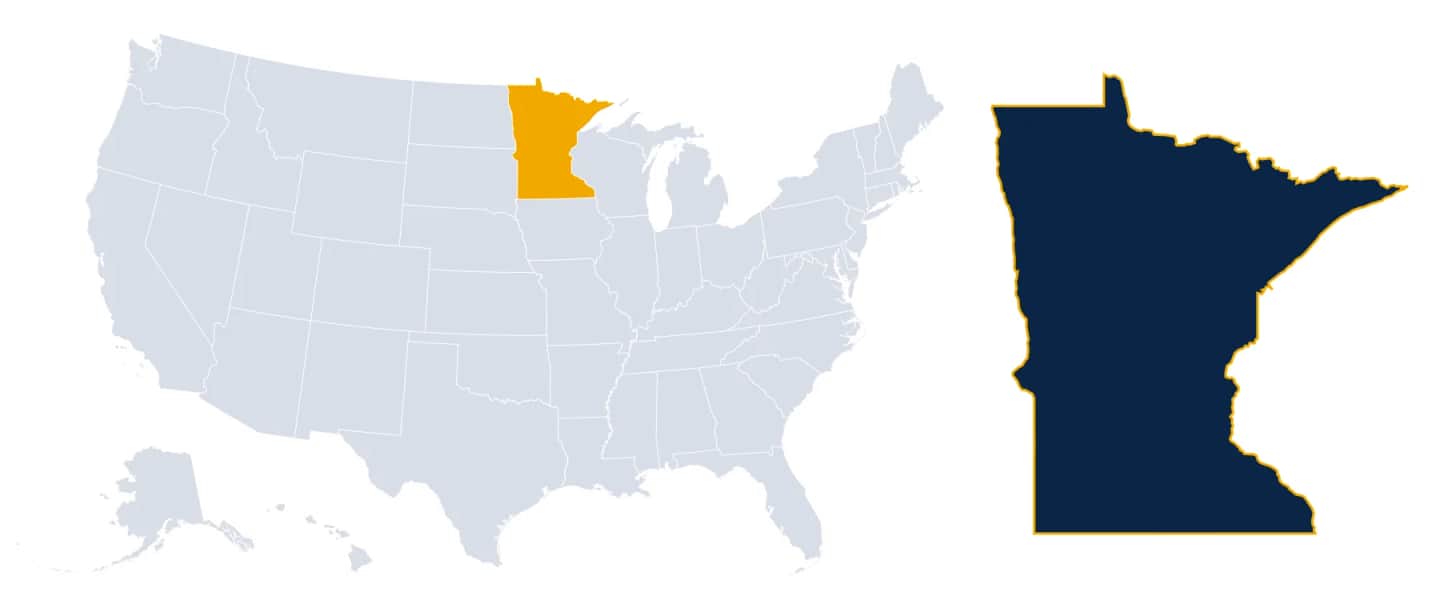
St. Paul, Minnesota’s capital, rises from the Mississippi River bluffs to the Victorian mansions of Summit Avenue and spreads out to the bungalow blocks of the Midway and the East Side. Xcel Energy supplies the power. Long subzero winters, a river that has topped flood stage many times since its record 1965 crest, and a housing stock that is largely older than World War II shape most of the electrical work homeowners here need.
Summit Hill, Ramsey Hill and Dayton’s Bluff hold large Victorians from the 1880s and 1890s. Frogtown, Payne-Phalen and the West Side are dense with small wood-frame houses and duplexes from the same era, while Macalester-Groveland, Highland Park and Como filled in with 1910s–1930s foursquares, bungalows and period revivals. Post-war ramblers line the city’s edges, and Highland Bridge is adding new construction on the former Ford plant site.
Problems that come up again and again in local homes, and the service that fixes each one.
01
Roof heat cable on drafty attics
Heated cable along eaves and gutters is common on older St. Paul houses with ice dam trouble. It belongs on a dedicated, ground-fault protected circuit; cable that is spliced, damaged or plugged into an extension cord is a fire hazard.
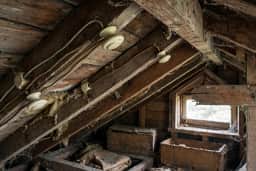
Houses on Summit Hill, Ramsey Hill and Dayton’s Bluff often still have live knob-and-tube in walls and attics, sometimes buried under blown-in insulation, which lets it overheat.
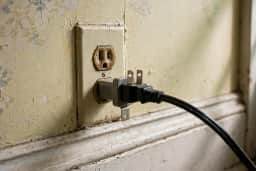
St. Paul requires a Truth-in-Sale of Housing evaluation before most homes are listed, and items such as open junction boxes, ungrounded three-prong outlets and double-tapped breakers often show up on the report.
History, housing, weather and rules that shape electrical work in St. Paul, MN.
Summit Avenue and the James J. Hill House
Summit Avenue runs about four and a half miles from the Cathedral of Saint Paul to the Mississippi, and its eastern end holds one of the best-preserved rows of Victorian mansions in the country, including the James J. Hill House finished in 1891. Many of these homes were electrified after they were built, so owners often find knob-and-tube, early armored cable and modern cable spliced together in the same walls.
Heritage Preservation review on Historic Hill
The Historic Hill district, along with Dayton’s Bluff, Irvine Park and other designated areas, falls under the Saint Paul Heritage Preservation Commission. Exterior changes there, such as moving a meter, running conduit up a visible wall or replacing porch and yard lighting, may need design review before a permit is issued. Interior rewiring generally does not, but it is worth confirming early.
The record river crest of April 16, 1965
The Mississippi reached 26.01 feet at downtown St. Paul on April 16, 1965, still the highest crest recorded there, and the West Side Flats went under. Flood walls and levees now protect much of that ground, yet high water in 2001, 2014, 2019 and 2023 again closed riverfront parks and roads. Homes near the river can take groundwater into basements when the river stays high for weeks.
District del Sol and the West Side bluffs
Across the river from downtown, the West Side has long been home to Mexican-American families, with District del Sol along Cesar Chavez Street at its heart. Up on the bluff, small frame houses from the late 1800s and early 1900s often sit on fieldstone or brick foundations that stay damp. Panels mounted on those damp walls corrode, and rusted breakers or neutral bars are a frequent reason for replacement.
Frogtown’s small houses on narrow lots
Frogtown, officially Thomas-Dale, grew in the late 1800s around the rail yards and shops north of the Capitol, with small wood houses and duplexes crowded onto narrow lots. Since the late 1970s, Hmong and other Southeast Asian families have made it home alongside longtime Black and white residents. Some houses still run on 60-amp services that cannot carry a modern kitchen, electric heat or a dryer.
Rondo and the cut of Interstate 94
Construction of Interstate 94 in the 1960s cut straight through Rondo, the center of St. Paul’s Black community, displacing hundreds of families and businesses. The houses that survived on either side of the freeway are mostly older frame homes, and many passed through decades of absentee ownership. Restorations there often uncover old wiring next to quick fixes, so a full inspection before buying or remodeling pays off.
Dayton’s Bluff above Swede Hollow
Dayton’s Bluff overlooks downtown from the east with Queen Anne and Italianate houses, many built for brewery and railroad workers and their bosses. Below it lies Swede Hollow, once an immigrant settlement, and the old Hamm’s brewery complex. Bluff houses were frequently split into apartments and later turned back into single homes, leaving extra panels, abandoned feeders and meters that no longer match the floor plan.
Foursquares around Macalester and St. Thomas
Macalester-Groveland, named for Macalester College, filled in during the 1910s and 1920s with American foursquares, bungalows and brick duplexes on elm- and maple-lined streets, and the University of St. Thomas sits at its western edge. Common projects there include retiring original fuse panels, adding grounded receptacles in bedrooms and running new circuits to attics and basements that families are finishing.
Highland Park’s Tudors and ramblers
Around Ford Parkway, Highland Park grew from the 1920s through the 1950s with Tudor and Colonial Revival homes, then post-war ramblers farther out. Many got a 100-amp upgrade decades ago and are now on their second or third panel. Some still have breaker panels from makers that inspectors and insurers flag, and owners planning heat pumps or chargers usually start by replacing them.
Highland Bridge on the old Ford plant site
Ford built Model Ts and, decades later, Ranger pickups at its Twin Cities Assembly Plant from 1925 until the last truck left the line on December 16, 2011. The 122-acre site is now Highland Bridge, planned for about 3,800 homes plus parks and shops. Its new townhouses and apartments come with modern wiring, but buyers still add chargers, lighting and smart controls soon after moving in.
Como Park bungalows and Cape Cods
Around Como Lake, the zoo and the Marjorie McNeely Conservatory, the Como neighborhood is mostly bungalows, Cape Cods and small two-stories from the 1910s to the 1950s. Long-term owners have kept many in good shape, but kitchens and baths redone in the 1970s or 1980s may lack the ground-fault and arc-fault protection required today, and a remodel brings the changed circuits up to current code.
St. Anthony Park’s hilly lots
St. Anthony Park, beside the University of Minnesota’s St. Paul campus and close to the State Fairgrounds, has curving streets laid out in the 1870s and a mix of Victorian, Craftsman and mid-century homes. Detached garages set well above or below the house are common, and running a new feeder to one for a charger or workshop takes careful routing on steep ground.
Payne-Phalen and the East Side breweries
Payne-Phalen, around Lake Phalen and along Payne Avenue, developed for workers at East Side breweries, rail shops and factories. Its housing is a dense mix of 1900s–1920s frame homes and duplexes with some post-war infill, owned today by Hmong, Karen, Latino and longtime East Side families. Typical requests are service upgrades, replacing brittle cloth-insulated cable and adding outlets where cords now run along baseboards.
The Halloween Blizzard of 1991
Snow began falling on October 31, 1991, and by the time it stopped the Twin Cities had 28.4 inches, still the biggest single snowstorm on record there. Storms like that, along with heavy wet spring snow and ice, pull down service drops and bend masts on older houses. A damaged mast or meter socket on the house side has to be fixed by an electrician before Xcel can reconnect.
Keeping the furnace running in a January outage
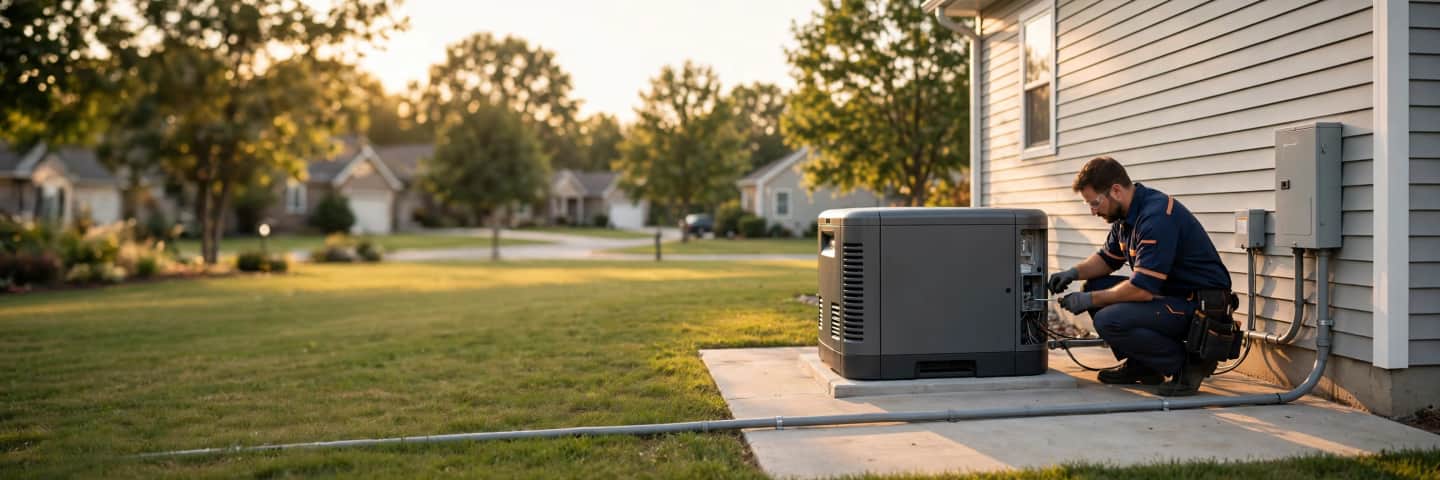
January lows in St. Paul regularly drop below zero, and a winter outage turns into a frozen-pipe problem within hours. Gas furnaces need electricity for blowers and controls, so many owners add a transfer switch and inlet that let a portable generator run the furnace, sump pump and a few lights. A permanently installed standby generator is the larger option for households that cannot leave.
Xcel’s Saver’s Switch on central air units
Summers are shorter here but can turn hot and humid. Through Xcel Energy’s Saver’s Switch program, the utility mounts a switch on or near enrolled central air conditioners and cycles them off for short intervals when demand peaks. When an old condenser is replaced or a heat pump goes in, that switch and its wiring have to be reconnected or reinstalled properly.
Truth-in-Sale of Housing evaluations
St. Paul requires sellers of most homes to have a Truth-in-Sale of Housing evaluation by a city-licensed evaluator before listing. The report notes conditions such as missing cover plates, ungrounded receptacles, improper splices and overloaded panels. It works as a disclosure rather than a repair order, but hazardous items are often corrected as part of the sale, and buyers use the report to plan later work.
Fire Certificates of Occupancy for rentals
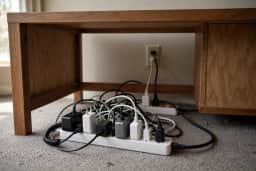
Every non-owner-occupied residential building in St. Paul, down to a single rented house or duplex, needs a Fire Certificate of Occupancy from DSI’s Fire Safety Inspection Division and is reinspected on a set schedule. Electrical findings are among the most frequent: missing smoke alarms, exposed wiring, extension cords used as permanent wiring and blocked panels. Landlords often book repairs right after an inspection.
Questions
Questions from St. Paul homeowners
Who issues electrical permits in St. Paul?+
The City of Saint Paul Department of Safety and Inspections (DSI) issues electrical permits and performs the rough-in and final electrical inspections inside city limits. Neighboring cities such as Roseville, Maplewood, West St. Paul and South St. Paul fall outside DSI’s jurisdiction, and in many Minnesota communities electrical inspection runs through the state Department of Labor and Industry instead, so the property address decides where to apply.
Does Minnesota license electricians?+
Yes. The Minnesota Department of Labor and Industry, working with the Board of Electricity, licenses electricians and electrical contractors. A homeowner may do some work on the home they own and live in with a permit, but hired work must be done by a licensed contractor.
Connect with an independent licensed electrician near you
Smoke, flames or sparking? Leave the building and call 911 first.
Pronto Electrician is a free referral service. Calls are answered by independent licensed electricians in your area. Pronto Electrician does not perform electrical work, and the electrician you choose sets the price, schedule, permits and warranty.