Extreme heat
Air conditioning runs near continuously, stressing panels, breakers and connections. Heat pumps, pool equipment and EV chargers add to the load, making load calculations and panel capacity checks important before adding equipment.
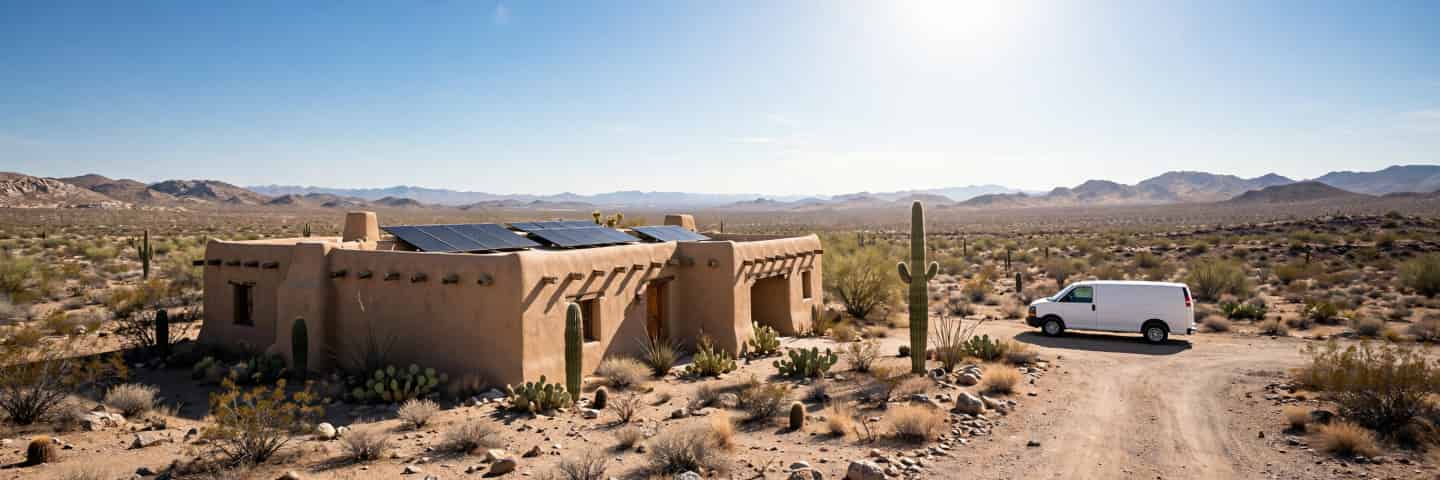
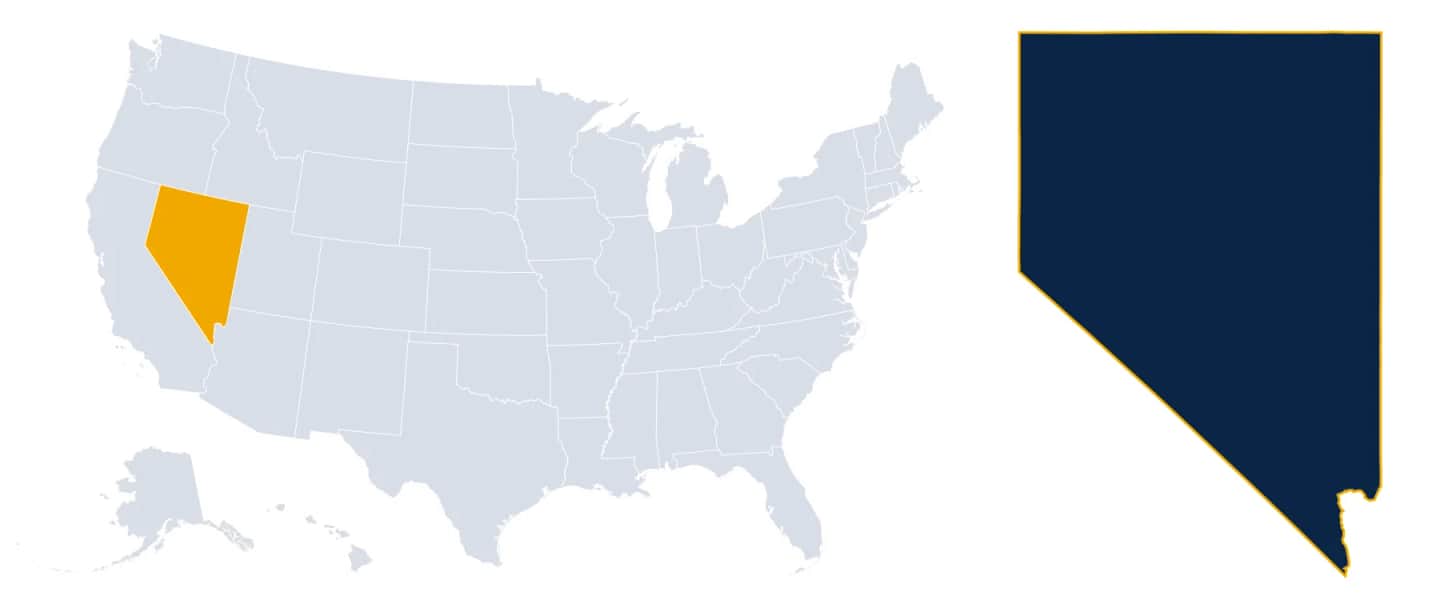
Nevada combines the hottest major metro in the country with a mountain region that gets heavy snow. Las Vegas reached 120°F in July 2024, and air conditioning there is essential for safety. Reno and the Tahoe area face wildfire, snowstorms and earthquakes — Nevada is one of the most seismically active states.
Free to call · Independent licensed electricians
Climate risks
The hazards that drive the most electrical calls here, and how homeowners prepare for them.
Air conditioning runs near continuously, stressing panels, breakers and connections. Heat pumps, pool equipment and EV chargers add to the load, making load calculations and panel capacity checks important before adding equipment.
Utilities may shut off power during high fire-risk weather. Battery backup or generator systems with proper transfer equipment keep essential circuits running. Exterior electrical equipment and connections should be kept clear of vegetation.
Cities
Open a city guide for local utilities, permit offices, neighborhoods and the problems electricians see most.
Also serving
State guide
NV Energy serves most of Nevada’s population, including Las Vegas and Reno. Electric cooperatives such as Valley Electric Association serve rural areas, and Boulder City runs its own utility.
Nevada homes cannot choose a retail supplier. NV Energy and the cooperatives set the rules for service upgrades, solar and battery interconnection and generator connections.
Electrical contractors in Nevada are licensed by the Nevada State Contractors Board under an electrical classification. Some jurisdictions, such as Clark County and its cities, also require individual electricians to hold local certifications. Licenses can be verified through the board’s website.
Permits are issued by the city or county. Many Las Vegas addresses, including the Strip and large suburbs, are in unincorporated Clark County, while others are in the cities of Las Vegas, Henderson or North Las Vegas. In the north, Reno, Sparks and Washoe County each have their own building departments.
Las Vegas summers regularly exceed 110°F, and the city set an all-time record of 120°F in July 2024. Air conditioning runs nearly non-stop for months, stressing breakers, lugs and connections. Warm breakers, burning smells, flickering lights when the compressor starts, and AC circuits that trip repeatedly should be checked promptly.
Do not repeatedly reset a tripping AC breaker. The cause may be a failing breaker, a loose connection or an AC fault, and finding it before a heat wave can prevent a dangerous outage.
Summer monsoon storms bring wind, dust, lightning and flash flooding to Southern Nevada. Wind damages service drops and masts, and lightning surges damage AC control boards, pool equipment and electronics. A whole-home surge protective device at the panel is an inexpensive layer of protection.
Reno, Carson City and the Lake Tahoe basin get snow, freezing temperatures and windstorms. Heavy snow at Tahoe pulls on service drops and damages weatherheads, and furnaces need electricity to run. Backup power that can run heating equipment is valuable, especially in mountain communities.
Wildfire threatens communities around Reno, Carson City and Tahoe. The September 2024 Davis Fire forced evacuations in Washoe Valley, and NV Energy may de-energize lines during extreme fire weather. Keeping vegetation away from service drops and outdoor equipment, and having backup power, reduce risk and disruption.
Nevada is one of the most earthquake-prone states, with faults running through the Reno–Carson City area and much of the state. After any significant quake, check for meter bases pulled from walls, damaged masts or burning smells, and keep clear of damaged equipment. Securing water heaters and appliances is a practical precaution.
Most Las Vegas-area homes were built after 1990, often with block construction, slab foundations and wiring through hot attics. Older neighborhoods such as Huntridge, the Scotch 80s and parts of downtown have homes from the 1940s through the 1960s with original wiring and smaller services. Manufactured home communities are common across the valley.
Reno’s Old Southwest and older neighborhoods near downtown have homes from the early and mid-1900s with older wiring, while Spanish Springs, South Meadows and other areas have grown rapidly with new construction. Industrial growth east of Reno has brought new residents and new subdivisions.
Southern Nevada has some of the best solar resources in the country, and rooftop solar is common. Batteries are increasingly paired with solar for backup and evening use. EV ownership is growing in both Las Vegas and Reno. Solar, batteries and EV chargers require permits and, for solar and batteries, NV Energy interconnection approval.
Backyard pools, spas, outdoor kitchens and misting systems are common in Southern Nevada. Pool equipment requires correct bonding and GFCI protection, and sun exposure degrades outdoor wiring and conduit. Older pool installations may not meet current requirements.
Attics in Southern Nevada can be far hotter than the outside air in summer, and much of a home’s wiring runs through them. Heat speeds the aging of insulation and splices. Electricians typically schedule attic work early in the morning and look for brittle insulation and loose connections whenever they are up there.
Rural Nevada towns and ranches rely on long service runs, cooperatives and wells. Distances make outage restoration slower, and backup power for wells and heating is important. Ranch outbuildings need properly sized feeders and grounding.
Southern Nevada focuses on extreme heat, pools, solar and fast growth. Reno and Carson City combine winter weather, wildfire and earthquakes. Lake Tahoe has heavy snow and seasonal homes. Rural Nevada is remote and dry.
Frequent requests include AC circuit and breaker repairs, panel upgrades, surge protection, solar and battery panel work, EV chargers, pool bonding and GFCI corrections, ceiling fans and generator installations in the north.
Summerlin, Henderson’s master-planned communities, and many newer neighborhoods in Reno and Sparks are governed by homeowners associations with rules about solar panels, generators, exterior conduit and visible equipment. Check association rules before scheduling exterior electrical work, and ask the electrician to plan conduit routes that meet those rules.
NV Energy offers time-of-use rate plans in Southern Nevada with higher prices during late-afternoon and evening summer peaks. Scheduling EV charging, pool pumps and water heaters outside those hours lowers bills, and smart chargers and panels can do it automatically. Load-management devices can also prevent an EV charger from running at the same time as the air conditioner, which may avoid a service upgrade.
Las Vegas, Henderson, Mesquite, Laughlin and Pahrump attract retirees, and some residents spend summers elsewhere. Homes left empty in summer still need air conditioning to protect finishes, and surges during monsoon storms can damage equipment with no one home. A pre-departure check of AC circuits and surge protection prevents surprises on return.
Many Southern Nevada homes include casitas or are built for multigenerational living, and some owners convert garages or add detached units. Each added living space needs proper circuits, smoke and carbon monoxide alarms and sometimes a subpanel, and the whole home’s load must fit the service.
Some Las Vegas and Reno homes built in the late 1960s and 1970s have aluminum branch wiring or older panels with known reliability concerns. Under constant summer AC loads, loose aluminum connections can overheat. Pigtailing with listed connectors or replacing circuits, and replacing problem panels, are permitted repairs.
Homes on the Nevada side of Lake Tahoe face heavy snow, steep lots, wildfire risk and many seasonal owners. Snow loads damage service masts and weatherheads, and homes left empty need checks before each season. Backup power for heating is valuable during winter storms.
Ceiling fans allow Southern Nevada homeowners to raise thermostat settings while staying comfortable, lowering bills during long summers. Fans must hang from fan-rated boxes, and adding fans to rooms without existing fixtures may require new circuits and switching.
Desert dust works its way into exterior disconnects, outlets and pool equipment panels, and sun breaks down plastic covers and conduit. Sealed, sun-resistant enclosures and periodic cleaning and inspection keep outdoor equipment reliable through monsoon season.
Verify the contractor’s license with the State Contractors Board and any local certifications, confirm which jurisdiction issues your permit, and get a written scope. For solar, batteries and service upgrades, ask how the electrician will coordinate with NV Energy or your cooperative. Schedule AC circuit work before summer.
Electrical licensing and permits in Nevada are set by state and local authorities. The electrician confirms what applies to your project.
Services
Ranked by how many of this state’s climate risks each service addresses.
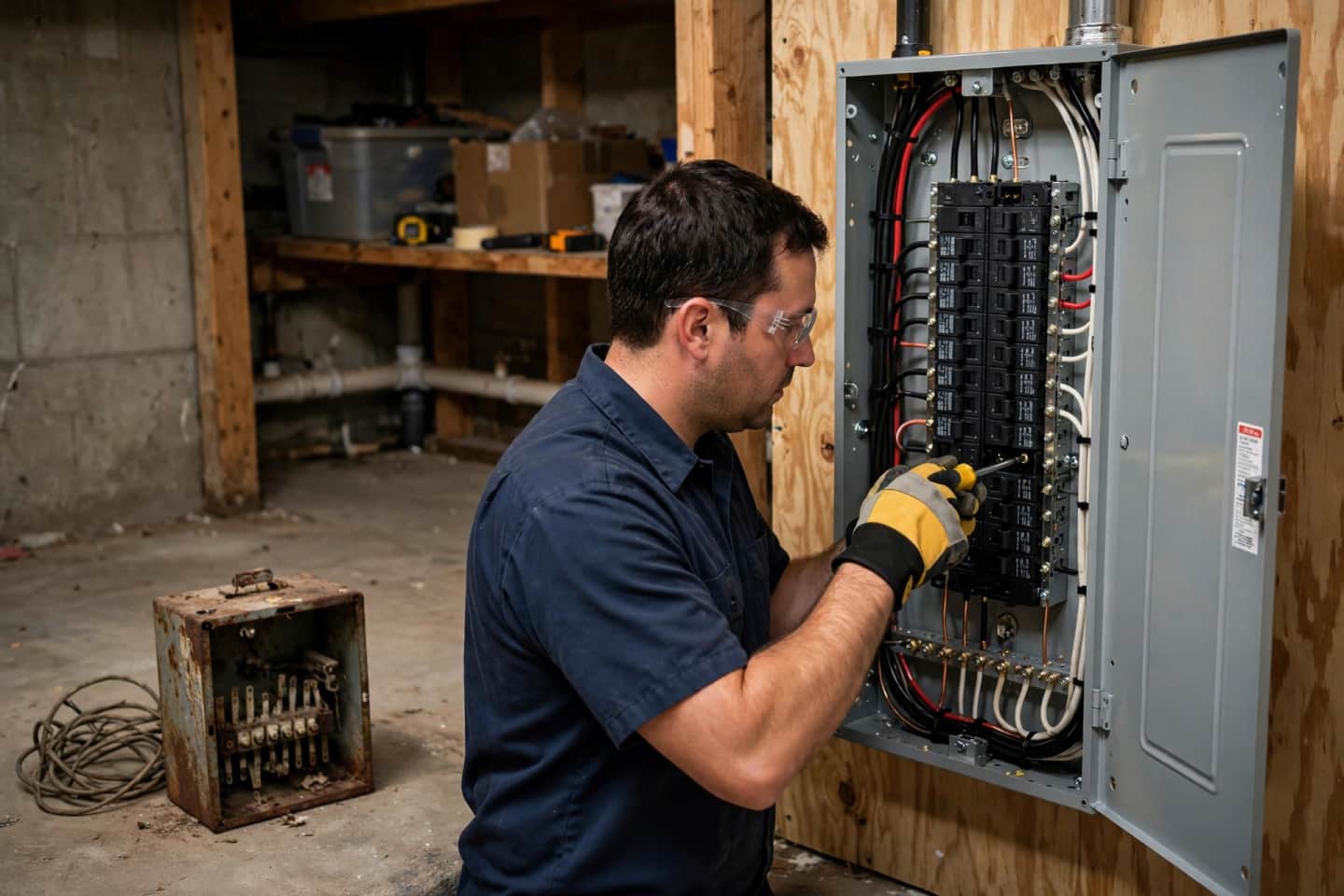
Panel replacements and service upgrades for modern loads, EV chargers and heat pumps.
Explore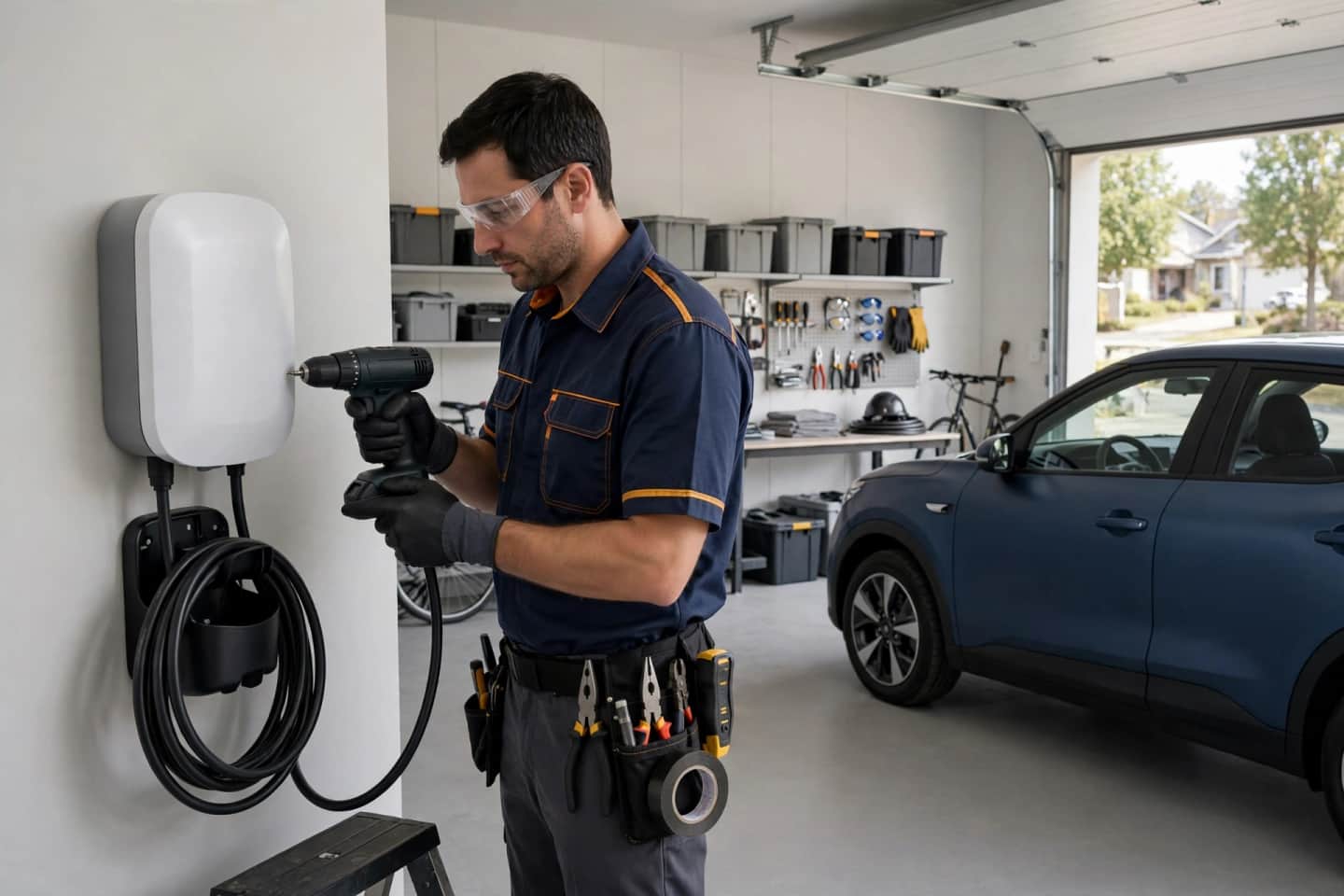
Level 2 home EV charger installation with load calculation and permits.
Explore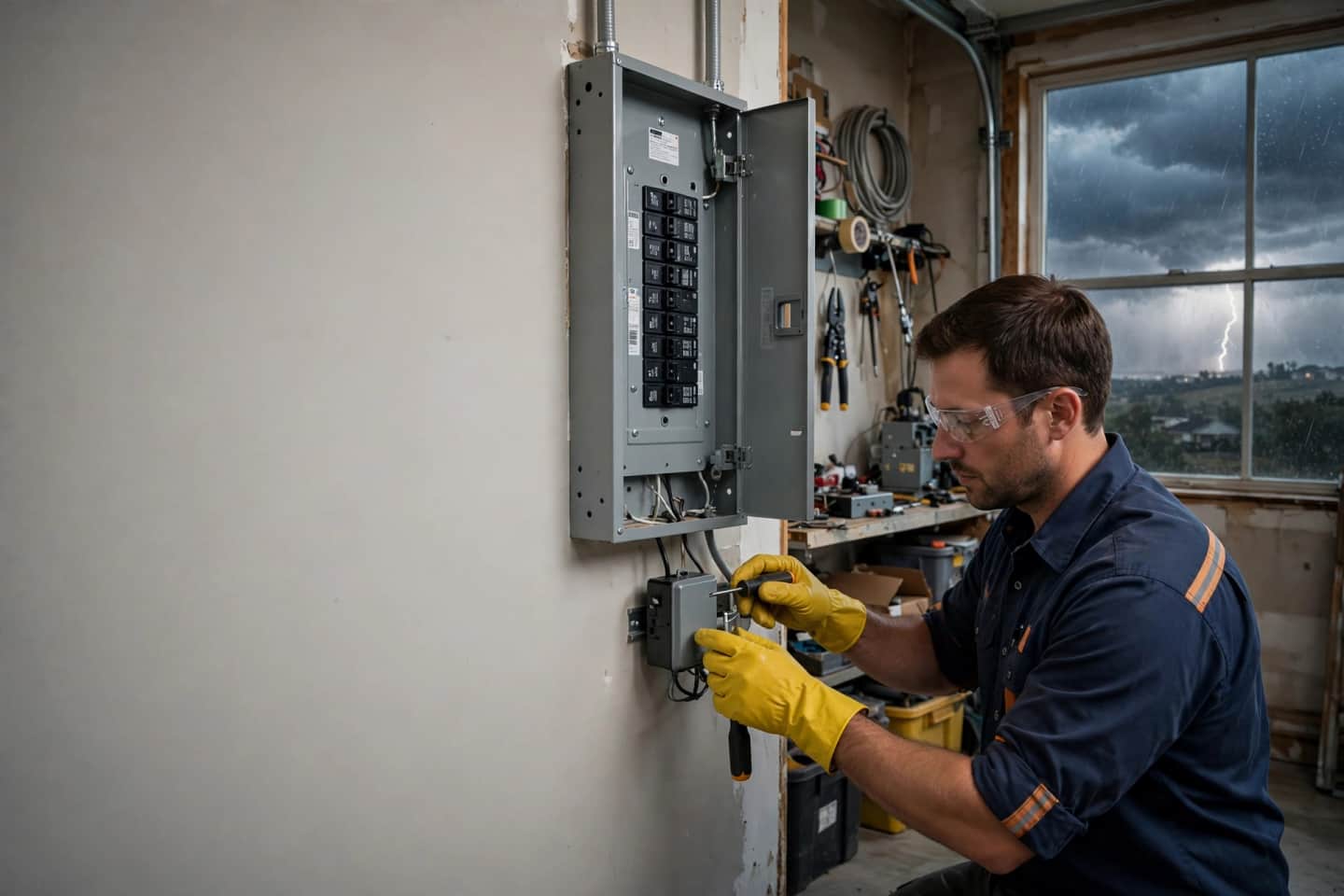
Panel-mounted surge protective devices for the whole home.
ExploreGet started
One call connects you with an independent licensed electrician who serves your part of the state.
Same-day help often available
Call for electrical help in Nevada
Tell the electrician what is happening and your city. Calls go to independent licensed electricians who serve your area.
Call (855) 679-2483Smoke, flames or sparking? Leave the building and call 911 first.
Pronto Electrician is a free referral service. Calls are answered by independent licensed electricians in your area. Pronto Electrician does not perform electrical work, and the electrician you choose sets the price, schedule, permits and warranty.
Free to call · All 50 states + DC
Describe the problem and get connected with an independent licensed electrician who serves your area.