
01
Hurricanes and nor’easters
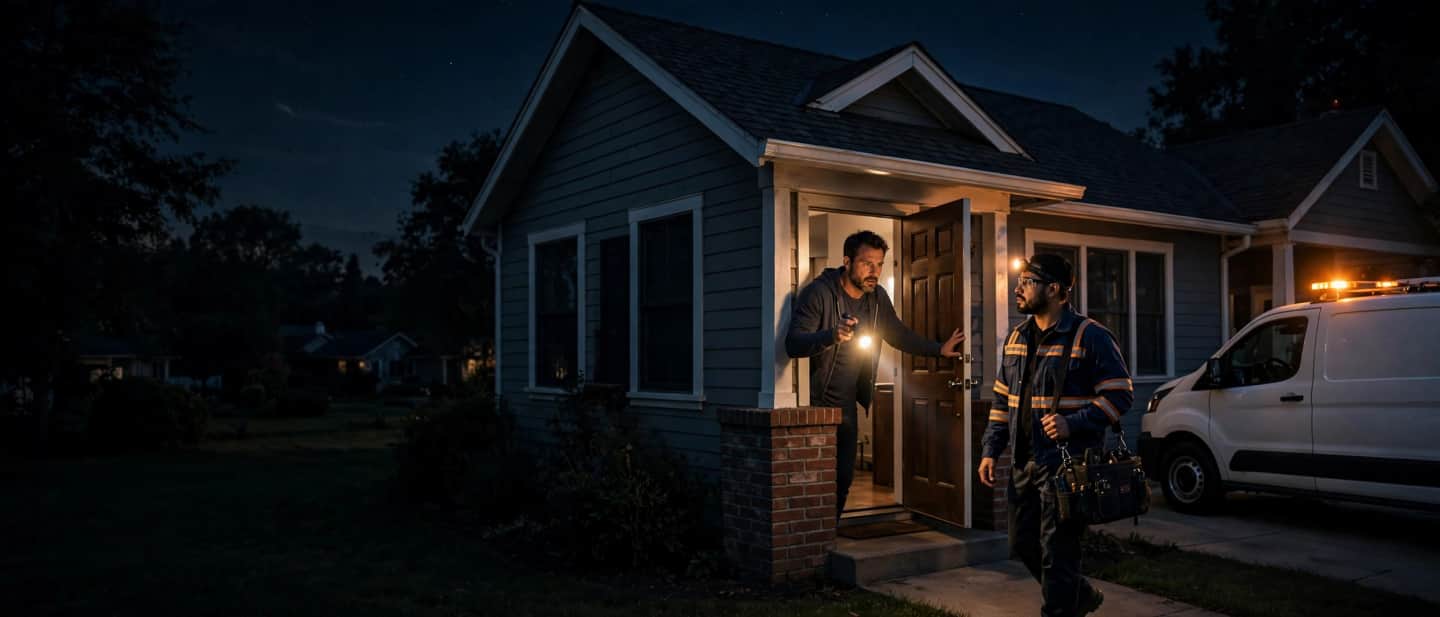
Coastal storms bring wind, rain and flooding. Damaged masts and meters must be repaired before Dominion reconnects, and generators are common.
Generator Installation
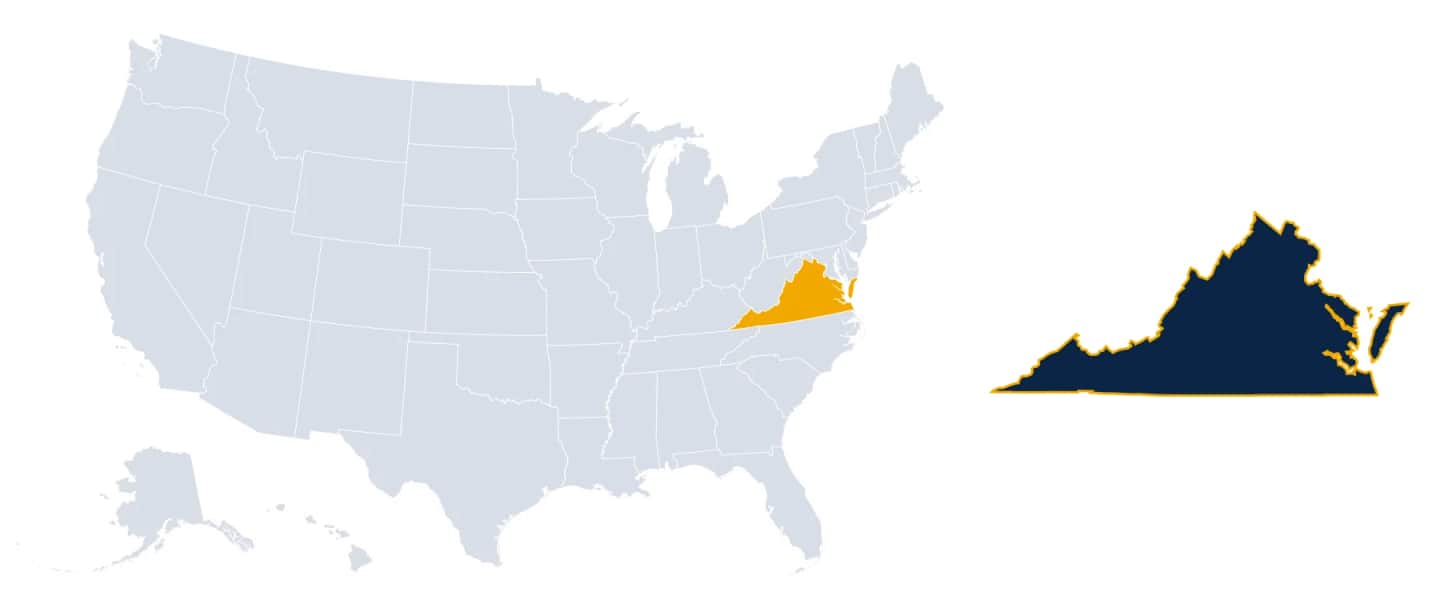
Virginia Beach is the most populous city in Virginia, stretching from the Chesapeake Bay and Atlantic oceanfront to rural farmland near the North Carolina line. Dominion Energy supplies power. Hurricanes, nor’easters, recurrent tidal flooding, salt air and a large Navy presence shape how homes here are built and maintained.
Free to call · Independent licensed electricians
Serving the Oceanfront, Sandbridge, Great Neck, Kempsville, Bayside, Pungo and every other Virginia Beach neighborhood.
Virginia Beach at a glance
Electrical services in Virginia Beach
The calls Virginia Beach homeowners make most, followed by every service independent licensed electricians handle here.
Not sure which service you need? Describe the problem and an electrician will tell you.
Call for Electrical Service in Virginia BeachHousing and wiring
The Oceanfront and North End have cottages and beach homes from the early 1900s onward. Kempsville, Bayside and Great Neck grew in the 1960s and 1970s with ranch homes and colonials, and the city’s southern areas, including Pungo and Sandbridge, have farms and beach houses on pilings.
Neighborhoods we cover
Local issues
Problems that come up again and again in local homes, and the service that fixes each one.
Coastal storms bring wind, rain and flooding. Damaged masts and meters must be repaired before Dominion reconnects, and generators are common.
Generator InstallationMany neighborhoods flood during heavy rain and high tides. Raising electrical equipment above flood levels protects homes.
Electrical Panel UpgradeNear the ocean and bay, salt air corrodes outdoor meters, outlets and connections.
Electrical Repair & TroubleshootingLocal guide
History, housing, weather and rules that shape electrical work in Virginia Beach, VA.
Virginia Beach merged with Princess Anne County in 1963, creating one of the largest cities by area on the East Coast. As an independent city, it handles all permits itself. Its territory includes dense oceanfront neighborhoods, suburban subdivisions, military bases and rural farmland in the south, each with distinct electrical needs.
The Oceanfront and North End have beach cottages from the early 1900s, mid-century homes and large modern beach houses. Older cottages often have small services and outdated wiring, and the salt air corrodes outdoor equipment. Renovations commonly include service upgrades, corrosion-resistant equipment and elevated mechanical systems.
Sandbridge, a narrow beach community south of the Oceanfront, has many vacation rental homes built on pilings. Electrical equipment must be elevated above flood levels, and rental homes need regular inspection of outdoor outlets, hot tubs and lighting. Salt spray shortens the life of exterior equipment.
Great Neck and Bayside, along the Lynnhaven River and Chesapeake Bay, have waterfront homes with docks, boat lifts and pools. Docks and lifts need ground-fault protection and wet-location wiring, and shore power for boats must be installed correctly to prevent shock hazards in the water.
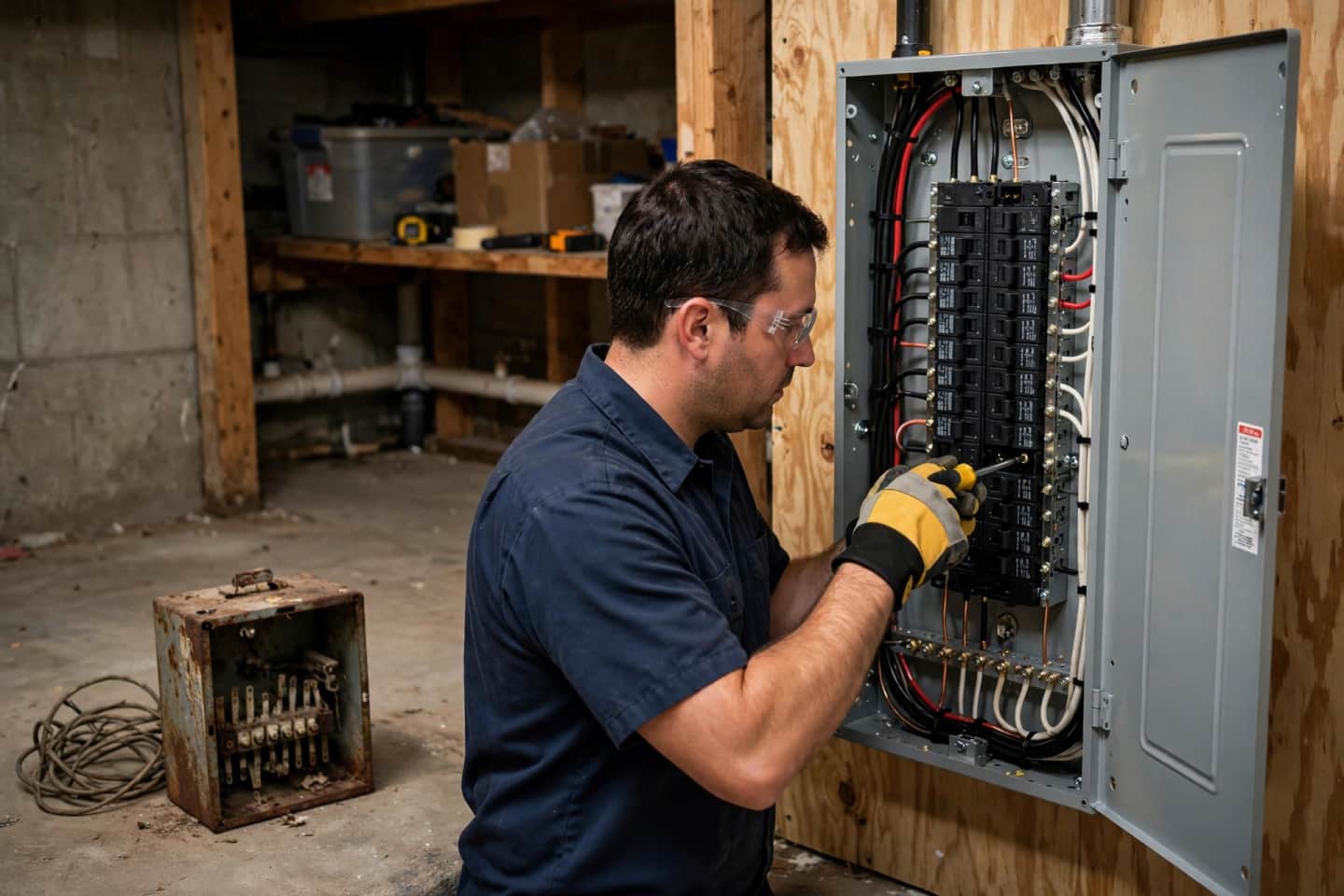
Kempsville, Princess Anne and other suburban areas grew rapidly from the 1960s through the 1980s. Homes from that era often have original panels, some from manufacturers electricians recommend replacing. Kitchen remodels, heat pumps and EV chargers often require upgrades.
The Thoroughgood neighborhood is named for the Adam Thoroughgood House, one of the oldest homes in Virginia. Most homes there were built in the mid-1900s, and many need panel replacements and updated wiring.
Southern Virginia Beach, including Pungo and Back Bay, is rural, with farms, strawberry fields and homes on acreage. These properties have wells, barns and shops that need properly sized feeders and grounding, and long service runs are common.
Virginia Beach faces hurricanes and nor’easters that bring wind, storm surge and heavy rain. Hurricane Isabel in 2003 caused widespread outages, and Hurricane Matthew in 2016 brought extreme rainfall that flooded many neighborhoods. Generators, surge protection and elevated equipment are common investments.
Many Virginia Beach neighborhoods flood during heavy rain and high tides, and sea level rise is making flooding more frequent. The city is investing in flood protection, but homeowners in flood-prone areas should raise panels, HVAC equipment and water heaters above expected flood levels, and never re-energize submerged equipment without inspection.
Salt air near the ocean and bay corrodes meters, outdoor outlets, air conditioning disconnects and connections. Corrosion-resistant equipment, in-use covers and periodic inspection extend equipment life.
Naval Air Station Oceana and Joint Expeditionary Base Little Creek–Fort Story make Virginia Beach home to many military families. Frequent moves create a large rental market, and landlords regularly update outlets, alarms and ground-fault protection between tenants.
Nearly every Virginia Beach neighborhood relies on heat pumps, which work hard through humid summers and mild but damp winters. Outdoor units within a mile or two of the ocean or bay suffer from salt that eats coil fins, disconnect boxes and lugs. Coastal-rated disconnects, stainless hardware and annual checks of the whip between the disconnect and the condenser help prevent a failure in August. When owners replace an old system with a larger or variable-speed unit, the breaker and wire size must match the new equipment’s nameplate.
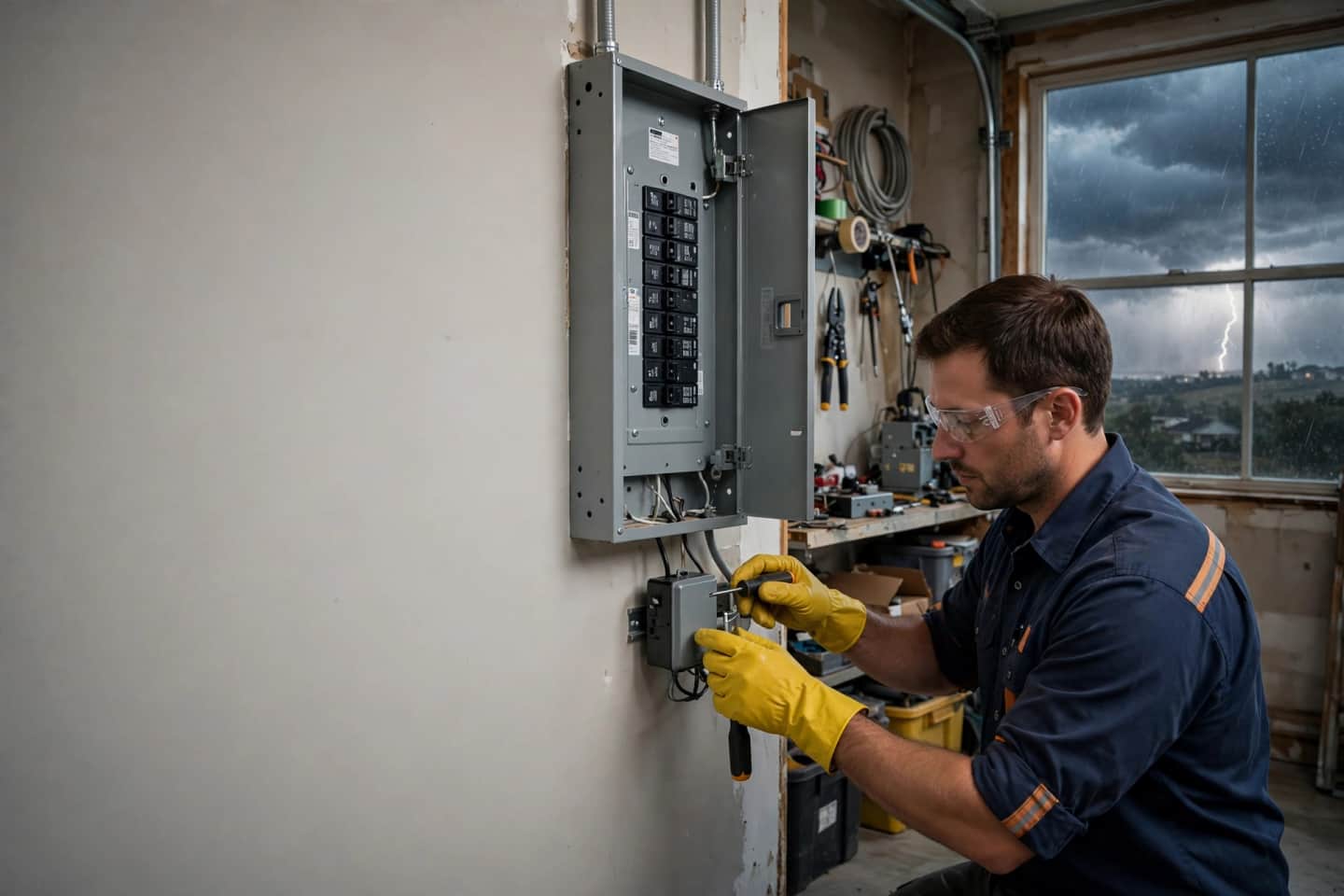
Summer squall lines often cross Hampton Roads in the late afternoon, bringing gusty winds, heavy rain and frequent lightning over the flat coastal plain. With few hills to break the wind, tall pines fall onto service drops, and lightning strikes on nearby utility lines push surges into homes. Surge protection at the main panel is an inexpensive way to protect heat pump boards, pool automation and electronics.
Backyard living is part of beach-city life, and many homeowners add pools, hot tubs, outdoor kitchens and patio lighting. Each needs ground-fault protection and proper bonding, hot tubs need a disconnect within sight, and outdoor kitchens need weather-resistant outlets with in-use covers. Salt and sun break down plastic fittings quickly, so outdoor equipment here tends to need replacement sooner than inland.
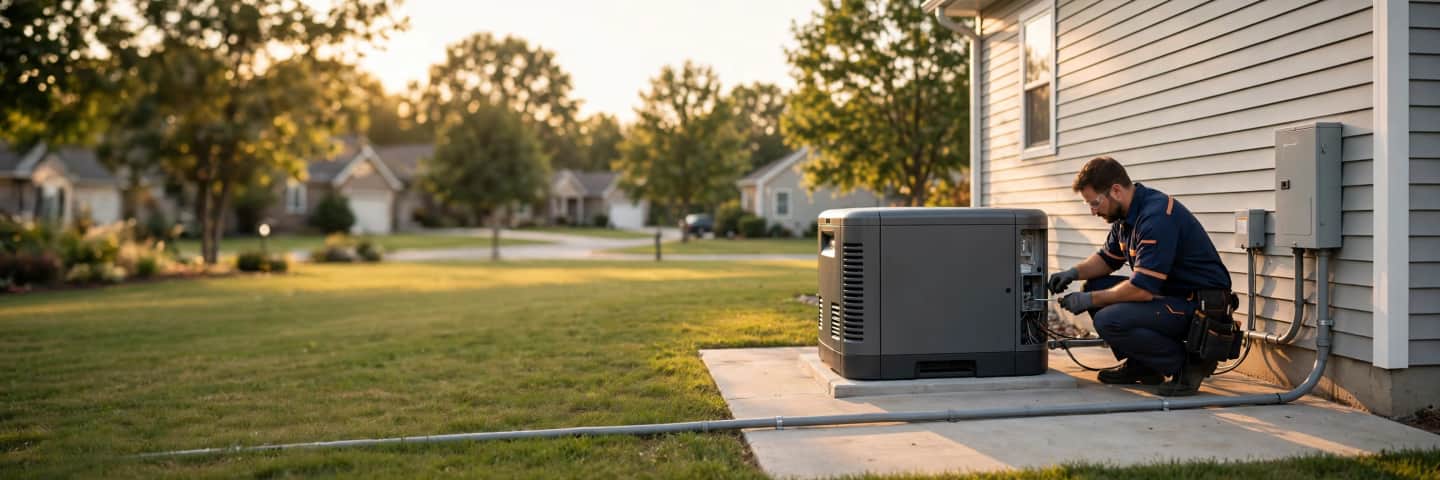
Generators are popular for hurricane season, but placement matters in a city where streets and yards flood. Standby units should sit on a raised pad above expected flood levels and away from windows and doors, and portable generators must never run in garages. A permitted interlock or transfer switch keeps the generator from backfeeding Dominion’s lines while crews are working.
EV ownership is rising in Virginia Beach, especially among commuters to Norfolk and the bases. Garages in older ranch homes may need a load calculation or panel upgrade before a charger is added, and outdoor chargers near the shore should be rated for corrosive environments. Rooftop solar requires permits and Dominion interconnection approval, and installers must account for hurricane wind loads.
Home inspections in Virginia Beach frequently note corroded meter bases and outdoor disconnects, panels from manufacturers that electricians recommend replacing in 1960s and 1970s subdivisions, missing ground-fault protection on docks and patios, and wiring added to sunrooms or garages without permits. In flood-prone areas, inspectors also look for signs that outlets or panels were once underwater.
The most common requests are repairing storm-damaged masts and meters, replacing corroded outdoor equipment, upgrading panels in older subdivisions, raising equipment in flood-prone homes, wiring docks, lifts, pools and hot tubs, installing generators and interlocks and adding EV chargers.
Town Center, near the old Pembroke Mall area, has grown into a dense district of mid-rise apartments, condos and offices. Residents there work with building management for any electrical change, and condo associations set rules for EV charging in shared garages. Older condo buildings elsewhere in the city sometimes have limited capacity per unit, so adding a large appliance or charger may require an evaluation of the building’s service.
Short-term rentals near the Oceanfront and in Sandbridge see heavy use by guests who run every appliance at once, plug in space heaters and leave outdoor lights on all night. Owners benefit from periodic electrical checkups between seasons, replacing worn outlets, confirming ground-fault protection outdoors and making sure smoke and carbon monoxide alarms work, since the city’s rental rules and insurers expect safe properties.
Questions
The City of Virginia Beach Permits and Inspections division issues permits. Virginia Beach is an independent city, so there is no separate county building department.
Yes. The Virginia Department of Professional and Occupational Regulation licenses electrical contractors and tradesmen, including journeyman and master electricians.
Problem guides
 Breaker Keeps TrippingWhy does my circuit breaker keep tripping?
 Flickering LightsWhy are the lights in my house flickering?
 Outlet Not WorkingWhy did my outlet suddenly stop working?
 Burnt or Scorched OutletWhat should I do if an outlet has burn marks?
 Burning Smell From OutletIs a burning smell from an outlet dangerous?
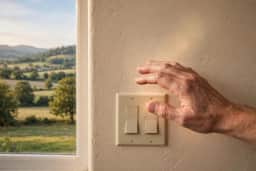 Warm Light SwitchIs it normal for a light switch to feel warm?
Same-day help often available
Call an electrician in Virginia Beach
Describe the problem and your Virginia Beach neighborhood. Your call goes to an independent licensed electrician who works locally.
Call (855) 679-2483Smoke, flames or sparking? Leave the building and call 911 first.
Pronto Electrician is a free referral service. Calls are answered by independent licensed electricians in your area. Pronto Electrician does not perform electrical work, and the electrician you choose sets the price, schedule, permits and warranty.
Free to call · All 50 states + DC
Describe the problem and get connected with an independent licensed electrician who serves your area.