

01
Rowhouse rewiring
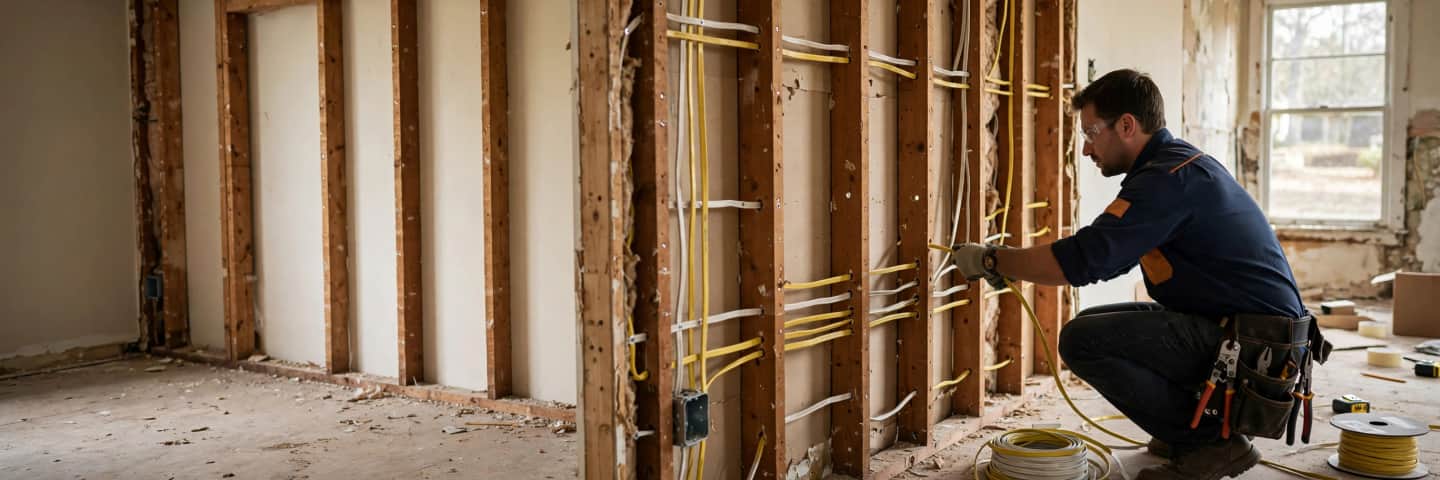
Narrow rowhouses often carry wiring from several eras, with small services in the basement. Gut renovations replace everything, while occupied homes are rewired room by room through floors and ceilings.
House Rewiring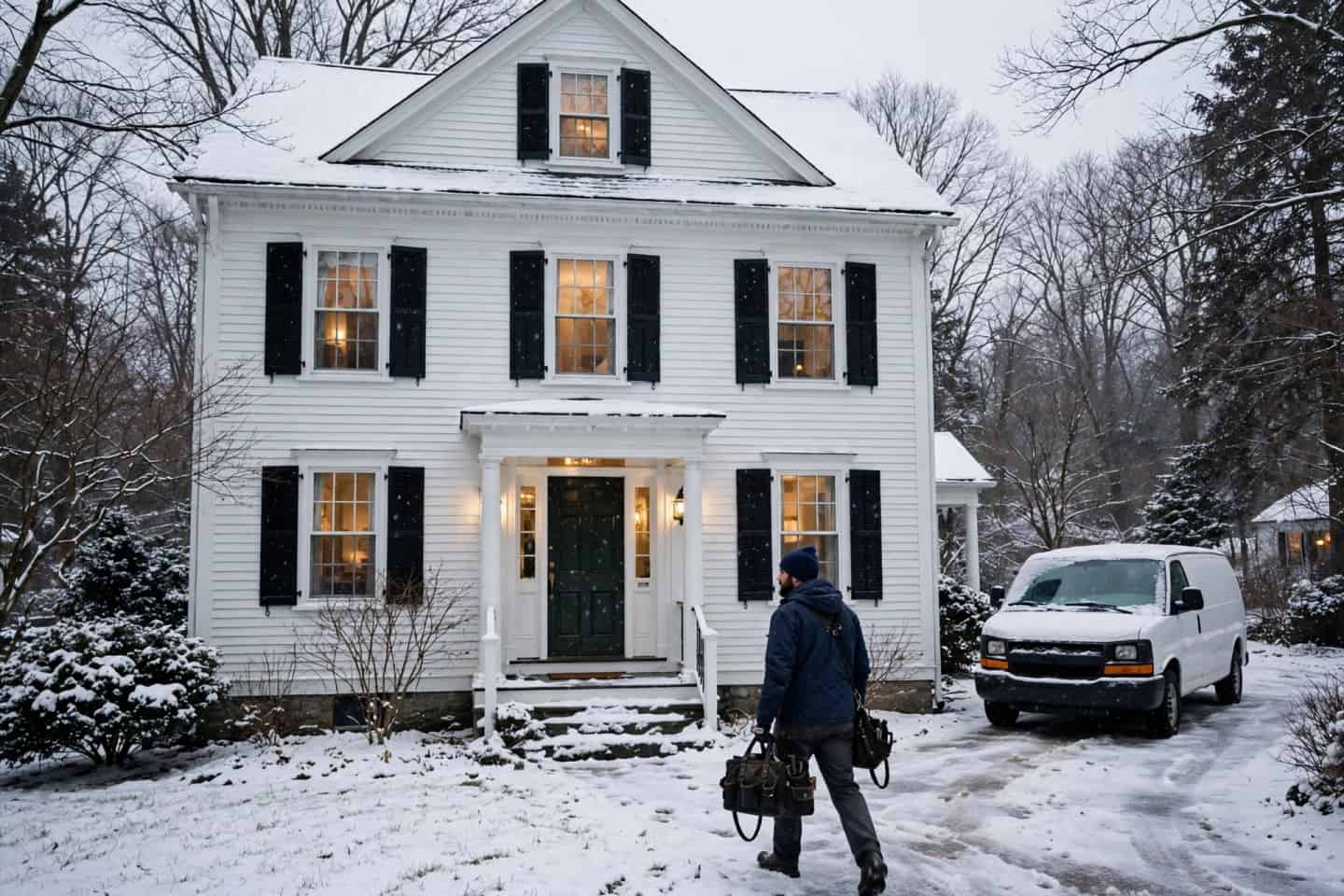
Baltimore is an independent city, separate from Baltimore County, and its housing is defined by the rowhouse: tens of thousands of attached brick homes built from the early 1800s through the mid-1900s. BGE, one of the oldest gas and electric utilities in the country, serves the city. Party walls, narrow lots, basement services and aging wiring make electrical work here its own specialty.
Free to call · Independent licensed electricians
Serving Federal Hill, Canton, Fells Point, Hampden, Charles Village, Roland Park and every other Baltimore neighborhood.
Baltimore at a glance
Electrical services in Baltimore
The calls Baltimore homeowners make most, followed by every service independent licensed electricians handle here.
Not sure which service you need? Describe the problem and an electrician will tell you.
Call for Electrical Service in BaltimoreHousing and wiring
Fells Point, Federal Hill and Mount Vernon have rowhouses from the 1700s and 1800s. Canton, Highlandtown and Patterson Park are lined with two-story rowhouses from the late 1800s and early 1900s, many covered in Formstone. Hampden has mill-worker rowhouses, Charles Village has larger three-story rowhouses, and Roland Park and Guilford have detached homes from the early 1900s.
Neighborhoods we cover
Local issues
Problems that come up again and again in local homes, and the service that fixes each one.
Narrow rowhouses often carry wiring from several eras, with small services in the basement. Gut renovations replace everything, while occupied homes are rewired room by room through floors and ceilings.
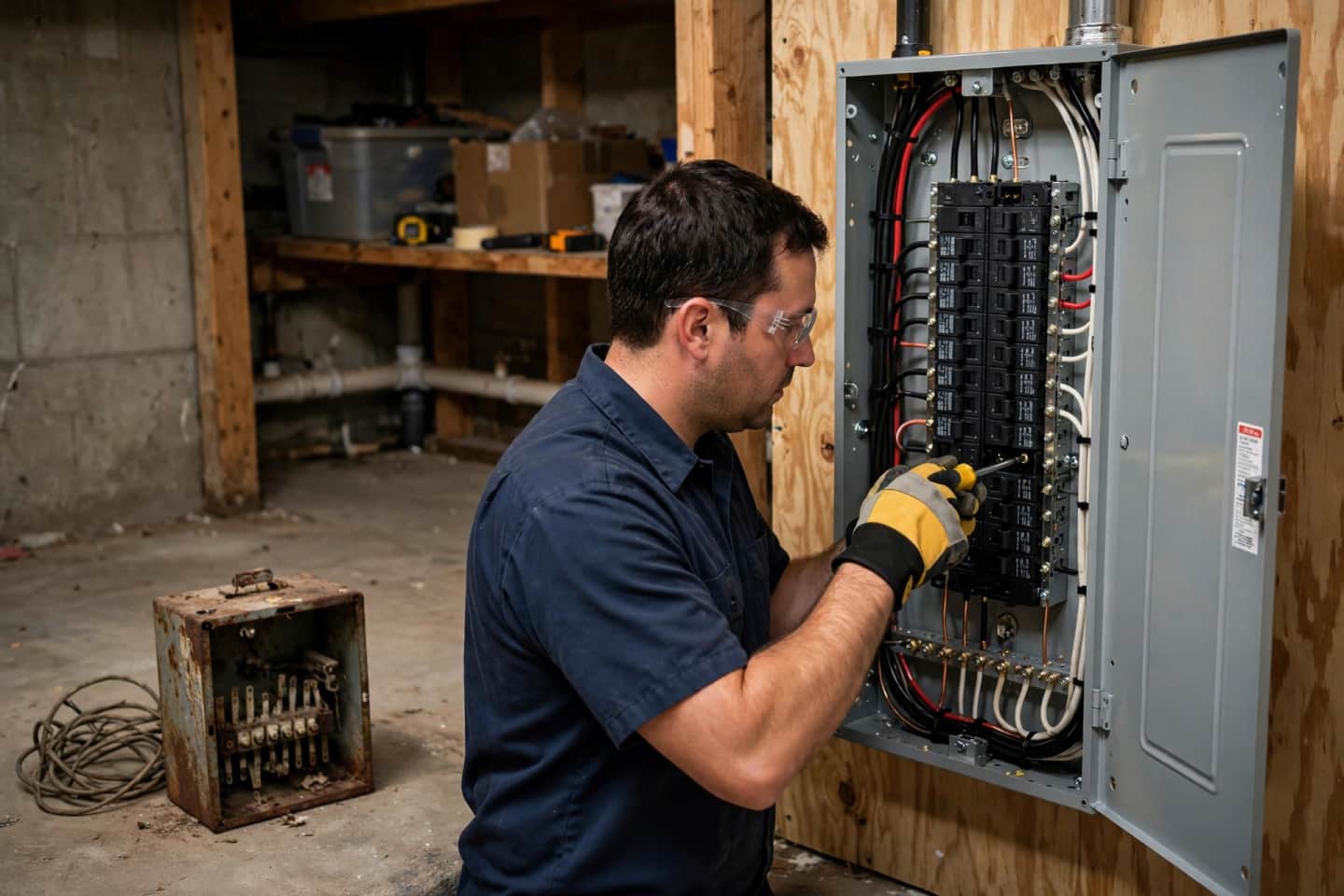
House RewiringMany rowhouse panels sit in basements that take on water during heavy rain or sewer backups. Raising the panel and protecting sump pumps reduce damage.
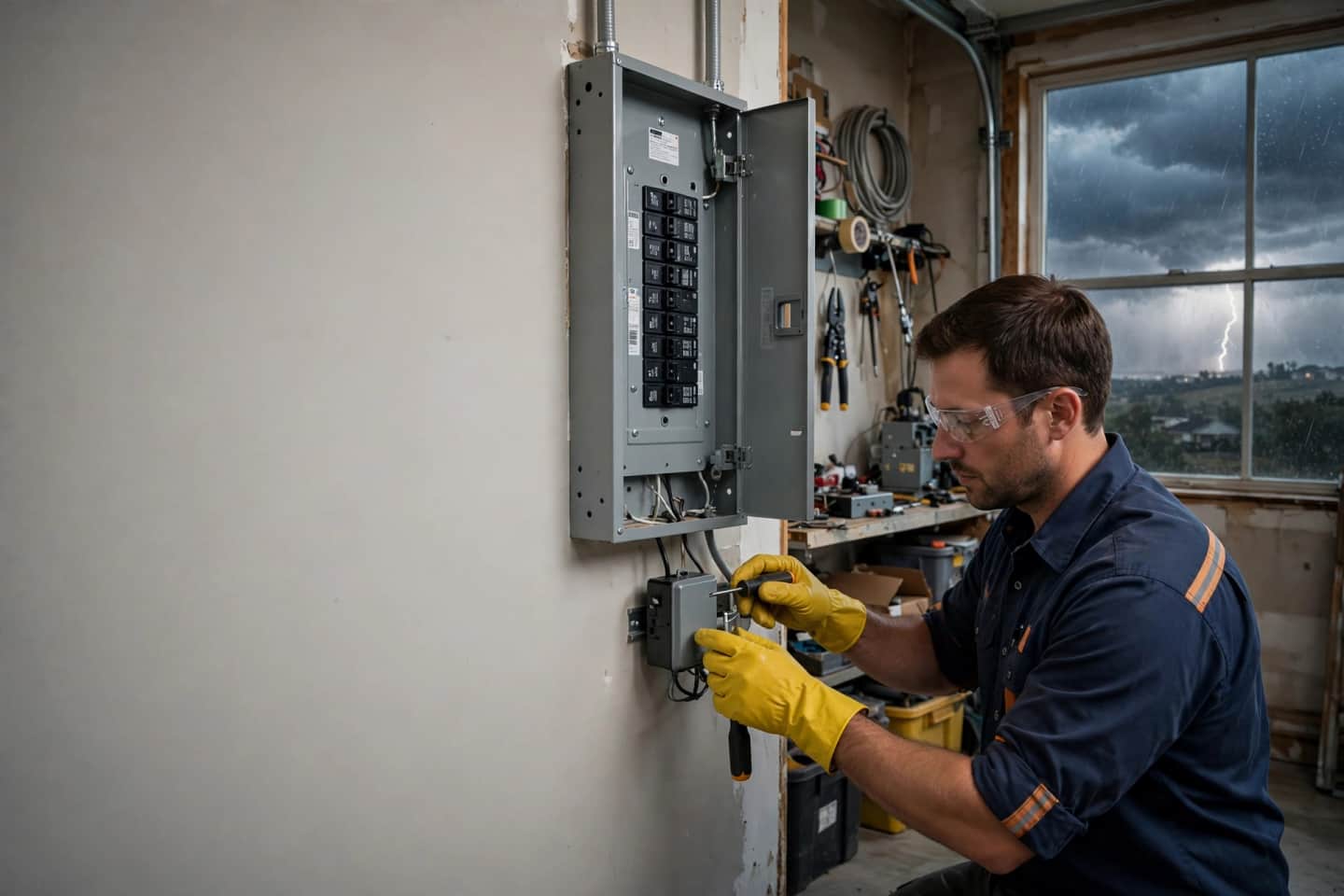
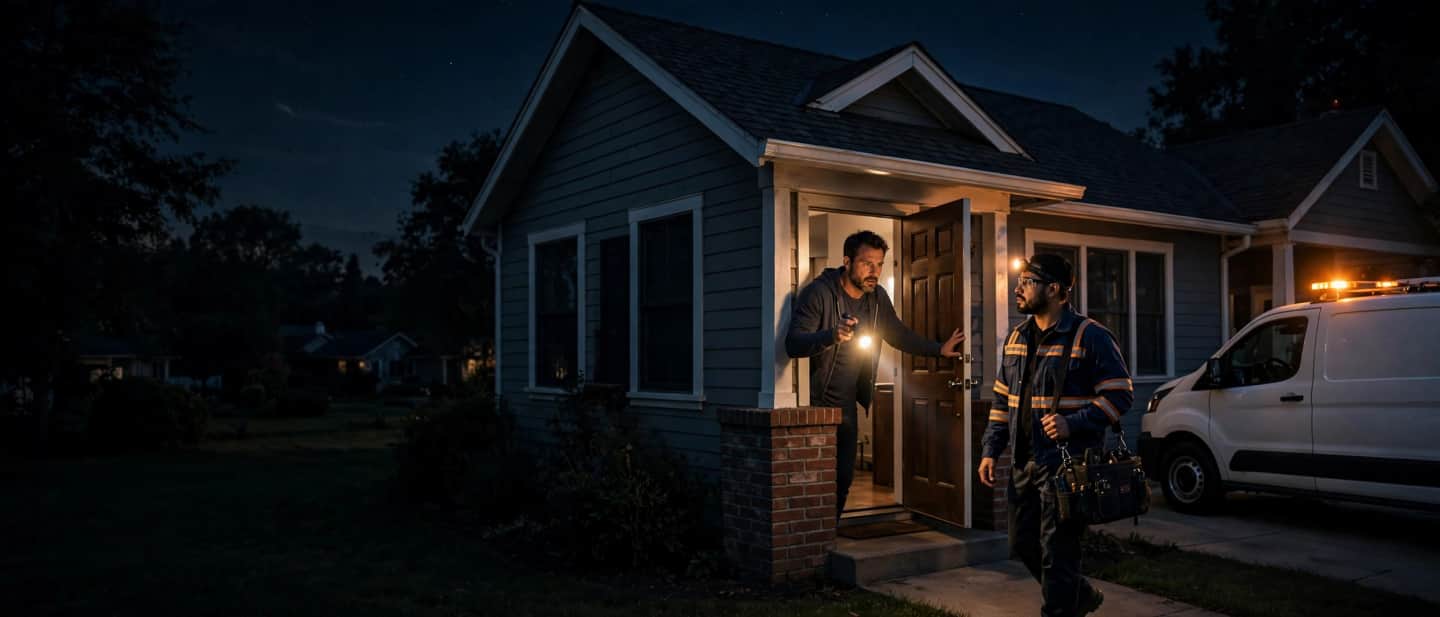
Electrical Panel UpgradeThe June 2012 derecho left hundreds of thousands of BGE customers in the dark during a heat wave. Damaged masts and meters must be repaired before BGE reconnects.
Emergency ElectricianLocal guide
History, housing, weather and rules that shape electrical work in Baltimore, MD.
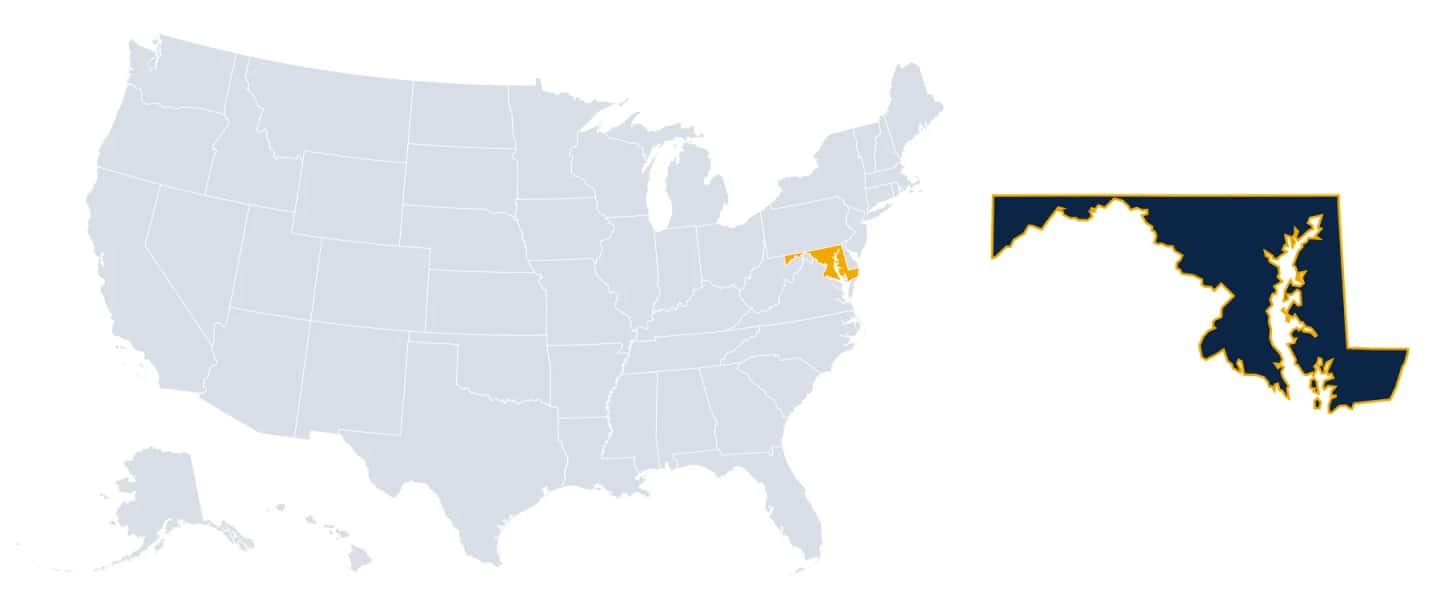
Baltimore separated from Baltimore County in 1851, and today the two are entirely separate governments. An address in Towson, Catonsville or Dundalk falls under Baltimore County, not the city, even though the mailing address may say Baltimore. Permits, inspections and contractor licensing requirements differ between the two, so the first step in any job is confirming which side of the line the property sits on.
Rowhouses make up the majority of Baltimore’s housing. Most are two or three stories, about fourteen to twenty feet wide, with a basement, a straight run of rooms from front to back and a small rear yard. Electrical services typically enter at the rear or basement, and the panel sits in the basement or a rear room. Because rowhouses share walls, new wiring runs between floor joists and through ceilings rather than along party walls, and fire-blocking must be restored after any opening.
Fells Point, the old maritime neighborhood on the harbor, has some of the oldest houses in the city, including rowhouses from the 1700s with low ceilings and brick walls. Federal Hill, across the Inner Harbor, has Victorian rowhouses with roof decks. Renovations in both neighborhoods commonly add roof deck lighting and outlets, upgrade services to 200 amps and replace wiring that has been patched for a century. Both are in historic districts, so exterior work is reviewed by the city’s preservation commission.
East Baltimore rowhouse neighborhoods such as Canton, Highlandtown, Butchertown and the blocks around Patterson Park were built for industrial workers in the late 1800s and early 1900s. Many have been renovated by young buyers, often with rear additions, open floor plans and finished basements. These projects routinely include new services, panels and full rewiring, and homes that were never updated may still have knob-and-tube wiring or fuse boxes.
Formstone, a cement stucco shaped to look like stone, was applied to thousands of Baltimore rowhouse fronts from the 1930s through the 1950s. Some owners remove it to restore original brick. Exterior electrical work, such as new service entrances or lighting, must be attached carefully to Formstone or old brick, and service masts on rear walls need solid anchoring.
Hampden and Woodberry grew around textile mills along the Jones Falls in the 1800s, and their small stone and brick rowhouses were built for mill workers. Today Hampden is known for its shops along 36th Street. Its tiny homes often have services of 60 amps or less and minimal circuits, and renovations there almost always begin with a service upgrade.
Charles Village, near Johns Hopkins University, has large three-story rowhouses with porches, many divided into apartments for students. Bolton Hill and Mount Vernon have grand brownstone and brick rowhouses from the mid-1800s. Converting multi-unit buildings back to single-family homes, or updating apartments, involves consolidating meters, upgrading services and rewiring each floor.
Roland Park, one of the first planned suburbs in the country, and nearby Guilford and Homeland have large detached homes from the early 1900s under mature trees. These homes often have multiple panels added over the years, original wiring in the walls and long service drops through tree canopy. Storm damage to drops and masts is common, and renovations frequently consolidate panels and add generator connections.
Baltimore has thousands of vacant rowhouses, and city programs encourage their rehabilitation. Rehabbing a vacant typically means a complete new electrical system, since wiring has often been stripped, damaged by water or never updated. Each rehab requires permits and inspections, and BGE must set a new meter before the home can be occupied.
Many Baltimore rowhouse basements take on water from heavy rain, rising groundwater or sewer backups, and the city has worked under a federal consent decree to reduce sewer overflows. Panels, water heaters and furnaces in basements are vulnerable. Raising the panel, adding a sump pump with battery backup and installing backflow prevention reduce the risk of damage.
Tropical Storm Isabel in 2003 pushed a storm surge into the Inner Harbor, flooding Fells Point, Canton and other waterfront neighborhoods. Basements and first floors filled with water, ruining electrical equipment. Waterfront homeowners should keep critical equipment as high as practical and have an electrician inspect anything that has been submerged before power is restored.
On June 29, 2012, a fast-moving line of storms called a derecho swept across Maryland, bringing down trees and wires during a heat wave. Hundreds of thousands of BGE customers lost power, some for a week. The storm showed the value of generators, battery backup for medical devices and prompt repair of damaged service masts.
Because rowhouses share walls, a fire in one home can spread to neighbors. Overloaded circuits, space heaters and damaged cords are common causes. Interconnected smoke alarms, arc-fault protection and replacing outdated wiring protect not only the household but the entire block.
Many Baltimore rowhouses use gas boilers or furnaces, but heat pumps are increasingly popular, supported by Maryland incentives and climate goals. Ductless systems suit rowhouses well. Each unit needs a dedicated circuit, and older homes often need a service upgrade first.
Most Baltimore rowhouses have no driveway, so residents rely on street parking or rear alleys and parking pads. Homes with rear parking pads can sometimes add a charger, but street-parking residents depend on public chargers.
Maryland licenses master electricians through a state board, and Baltimore City also has its own electrical licensing requirements for work inside the city. Homeowners should confirm that their contractor is licensed for city work and that permits are pulled for panel changes, new circuits and service upgrades.
Common requests include rowhouse rewiring, service upgrades, vacant rehab electrical systems, basement panel relocation, storm repairs, surge protection, heat pump circuits and roof deck lighting.
Questions
Baltimore City’s Department of Housing and Community Development issues electrical permits and performs inspections inside city limits. Baltimore County, which surrounds the city, is a separate jurisdiction with its own permit office.
Rowhouses share party walls with neighbors, so wiring must be routed carefully and fire separation preserved. Services are often in the basement or on the rear wall, and upgrades must fit tight spaces.
Problem guides
 Breaker Keeps TrippingWhy does my circuit breaker keep tripping?
 Flickering LightsWhy are the lights in my house flickering?
 Outlet Not WorkingWhy did my outlet suddenly stop working?
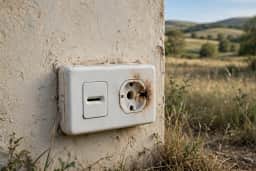 Burnt or Scorched OutletWhat should I do if an outlet has burn marks?
 Burning Smell From OutletIs a burning smell from an outlet dangerous?
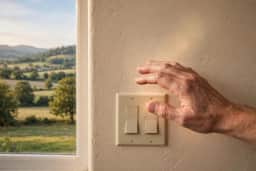 Warm Light SwitchIs it normal for a light switch to feel warm?
Same-day help often available
Call an electrician in Baltimore
Describe the problem and your Baltimore neighborhood. Your call goes to an independent licensed electrician who works locally.
Call (855) 679-2483Smoke, flames or sparking? Leave the building and call 911 first.
Pronto Electrician is a free referral service. Calls are answered by independent licensed electricians in your area. Pronto Electrician does not perform electrical work, and the electrician you choose sets the price, schedule, permits and warranty.
Free to call · All 50 states + DC
Describe the problem and get connected with an independent licensed electrician who serves your area.