
01
Ice storms and windstorms
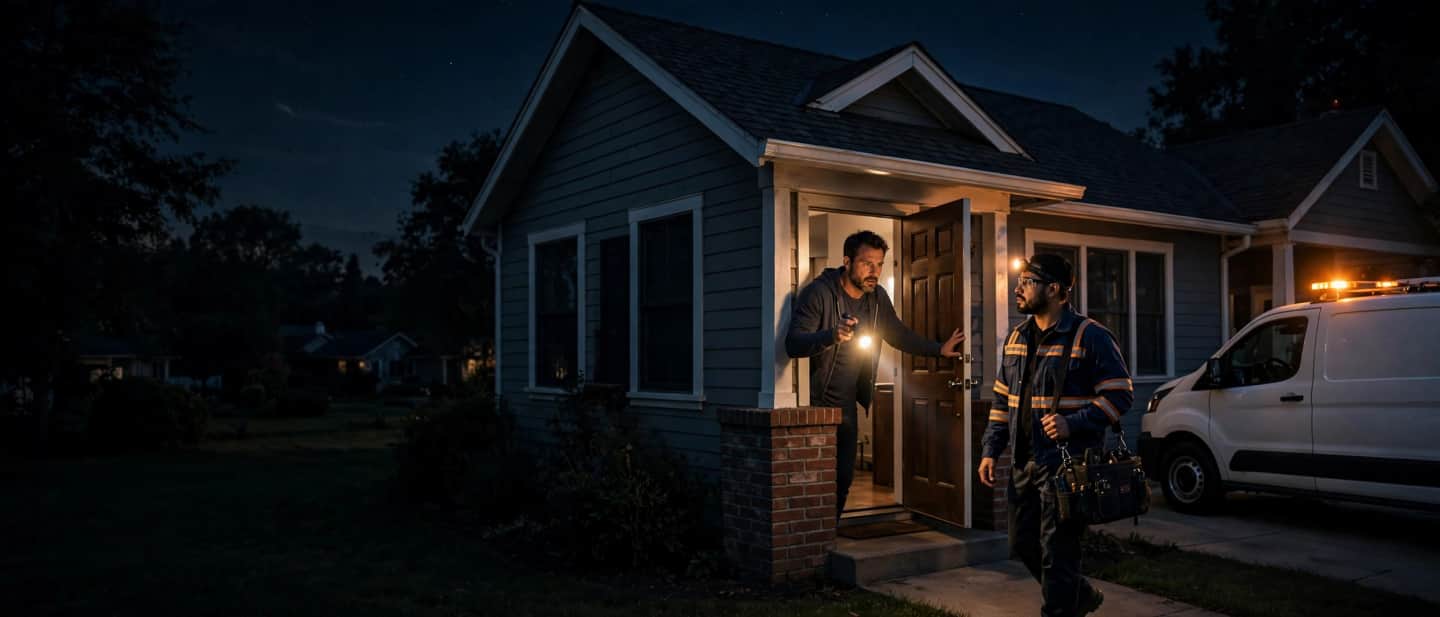
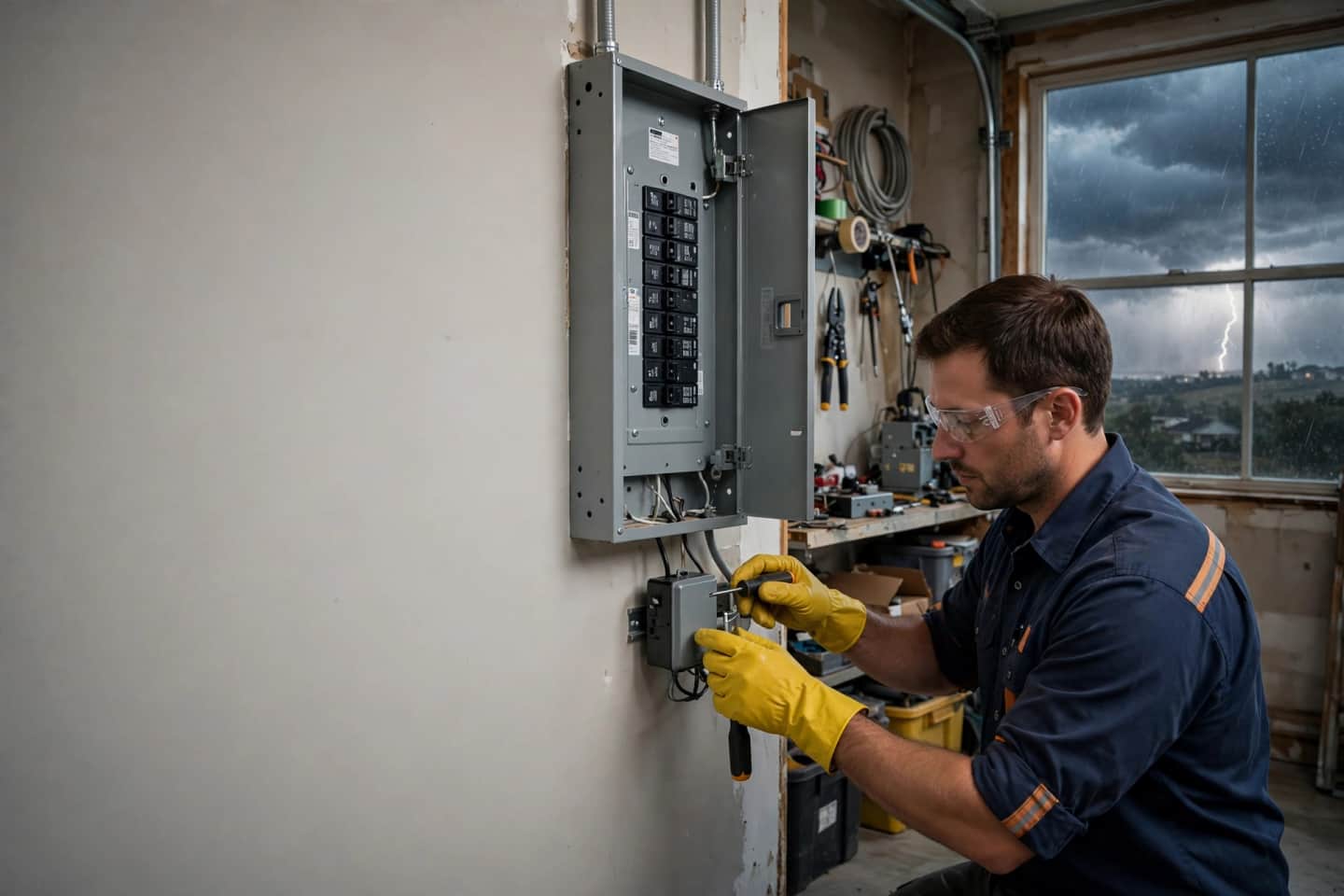
The December 2007 ice storm and the June 2023 windstorm each left a huge share of Tulsa without power for days. Torn-off service drops and bent masts must be repaired before PSO reconnects.
Emergency Electrician
Tulsa grew from a small Creek Nation town into the self-proclaimed Oil Capital of the World in the early 1900s, and its neighborhoods still show the wealth of that boom in Art Deco buildings and grand homes. Public Service Company of Oklahoma supplies power. Ice storms, violent windstorms, tornadoes, flash flooding and hot summers all shape what Tulsa homeowners need from their electrical systems.
Free to call · Independent licensed electricians
Serving Maple Ridge, Brookside, Swan Lake, Brady Heights, Kendall-Whittier, Florence Park and every other Tulsa neighborhood.
Tulsa at a glance
Electrical services in Tulsa
The calls Tulsa homeowners make most, followed by every service independent licensed electricians handle here.
Not sure which service you need? Describe the problem and an electrician will tell you.
Call for Electrical Service in TulsaHousing and wiring
Maple Ridge, Swan Lake and Yorktown have large homes from the 1910s through the 1930s built by oil-era families. Brady Heights and the Owen Park area north of downtown have early-1900s homes, Florence Park and Lortondale have bungalows and mid-century houses, and south and east Tulsa grew from the 1960s through the 1990s.
Neighborhoods we cover
Local issues
Problems that come up again and again in local homes, and the service that fixes each one.
The December 2007 ice storm and the June 2023 windstorm each left a huge share of Tulsa without power for days. Torn-off service drops and bent masts must be repaired before PSO reconnects.
Emergency ElectricianMaple Ridge and Swan Lake homes often carry original wiring, several small panels and services too small for modern loads.
House RewiringMany Tulsa homes have in-ground or garage storm shelters that benefit from permanent lighting and a protected outlet.
Electrical Repair & TroubleshootingLocal guide
History, housing, weather and rules that shape electrical work in Tulsa, OK.
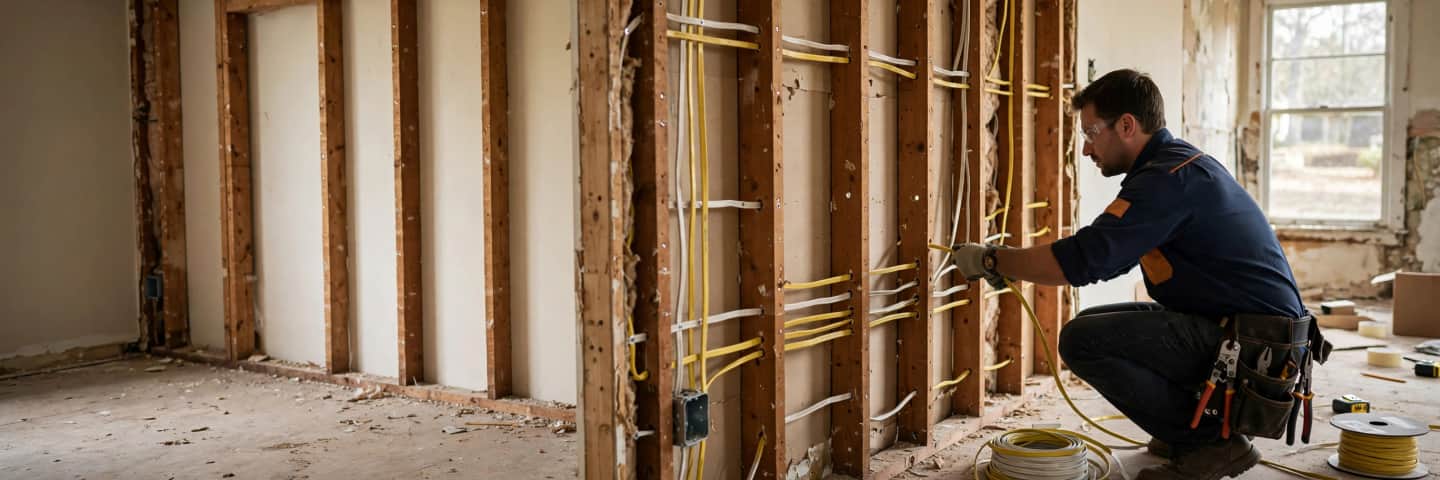
Oil money built Tulsa quickly in the 1910s and 1920s, leaving a downtown full of Art Deco towers and neighborhoods of mansions south of downtown. Homes from that era were wired generously for their time, often with multiple circuits and early electric conveniences, but a century later that wiring is brittle and the services are far too small. Restoring an oil-era house usually means a new service, consolidated panels and complete rewiring while protecting plaster, woodwork and decorative ceilings.
Maple Ridge, along Riverside Drive and Peoria Avenue, is one of Tulsa’s largest historic districts, with Tudor, Georgian and Mediterranean mansions under mature trees. Swan Lake, nearby, is built around a small lake with bungalows and period revival homes. Both neighborhoods see constant renovation, and the large trees that define them also drop limbs on service drops during ice storms and windstorms.
Brady Heights, just north of downtown, has Victorian, Prairie and Craftsman homes from the early 1900s, many restored by owners who moved in during the past few decades. North Tulsa neighborhoods also include homes owned by families for generations. These houses commonly need service upgrades, new grounded circuits and replacement of knob-and-tube wiring.
The Greenwood District, once known as Black Wall Street, was destroyed in the 1921 Tulsa Race Massacre and later rebuilt by its residents, only to be cut apart by highway construction decades later. Today, redevelopment and community investment are bringing new housing and businesses to the area, and new construction there is built to current electrical codes.
Brookside, along Peoria Avenue south of Maple Ridge, mixes shops and restaurants with bungalows and cottages from the 1920s through the 1940s. Florence Park, to the east, has small brick and frame homes popular with first-time buyers. Remodels in both areas often require new kitchen circuits, panel replacements and service upgrades.
Kendall-Whittier, near the University of Tulsa, has early-1900s homes and a revived town square. Many homes there are rentals for students and young families, and landlords regularly update outlets, ground-fault protection and alarms between tenants.
Lortondale and other neighborhoods east of downtown have mid-century modern homes from the 1950s and 1960s, with flat or low-pitched roofs, large windows and open plans. Their wiring often runs through tight spaces with little attic access, and original panels are now more than sixty years old.
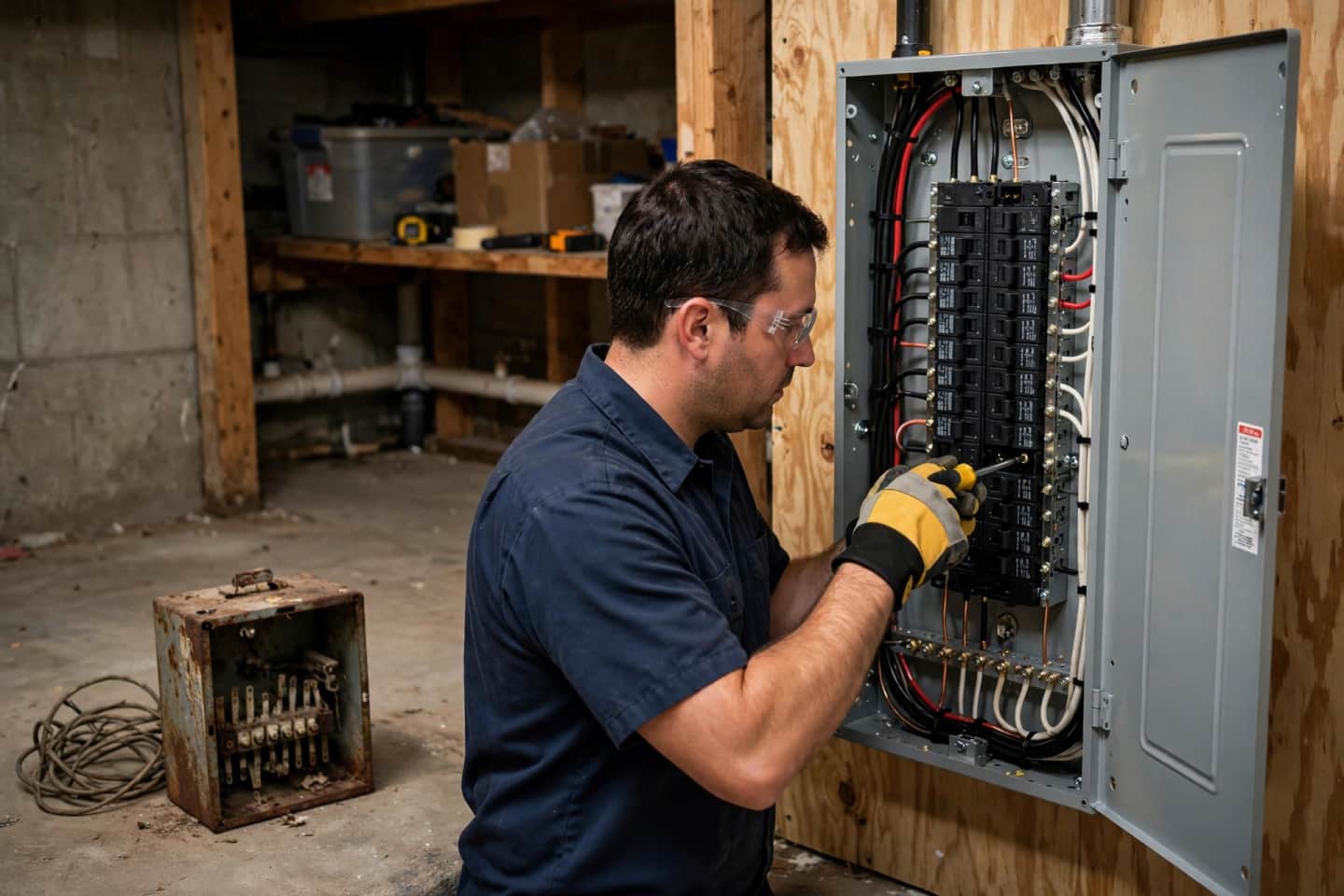
South Tulsa and east Tulsa grew from the 1960s through the 1990s with ranch homes and larger subdivisions. Homes from the 1960s and 1970s may have panels from manufacturers electricians recommend replacing, and some have aluminum branch wiring that needs approved repair methods.
In December 2007, freezing rain coated Tulsa for days, bringing down limbs and lines across the city. Hundreds of thousands of PSO customers lost power, some for more than a week in freezing weather. Many families bought generators afterward, and the storm made tree trimming near service drops a lasting priority.
On June 18, 2023, a powerful line of storms with hurricane-force gusts swept across Tulsa, toppling trees and snapping poles. Large parts of the city were without power for days during summer heat. Many homes needed new service masts and meter bases before PSO could reconnect, and demand for electricians surged.
The Memorial Day flood of 1984 sent Mingo Creek and other streams through Tulsa neighborhoods, damaging thousands of homes. Tulsa responded with an ambitious program of buyouts, detention ponds and floodplain management that became a national model. Homes near creeks should still keep electrical equipment elevated and never re-energize anything submerged without inspection.
In May 2019, record releases from Keystone Dam pushed the Arkansas River to near-record levels, straining aging levees west of downtown and flooding homes in low areas. Residents near the river learned the value of raised equipment and quick inspection after high water.
Tulsa sits in Tornado Alley, and storm shelters are common in garages, yards and safe rooms. Permanent lighting and a protected outlet for a weather radio and phone chargers make shelters more useful, and wiring must be installed to withstand damp conditions underground.
Tulsa summers bring long stretches in the upper 90s with high humidity. Window units and central air on old circuits cause overheating and tripping, and homes adding central air for the first time often need a service upgrade.
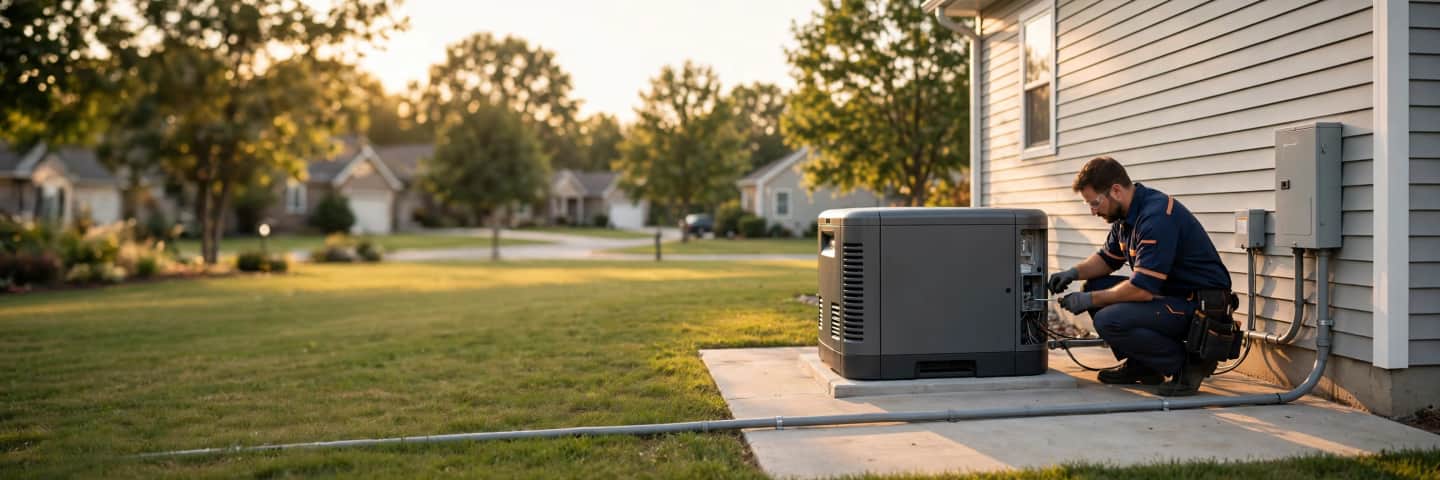
After the 2007 and 2023 storms, many Tulsa homeowners installed natural gas standby generators or portable generators connected through permitted interlocks. Proper installation keeps PSO line crews safe.
Inspection reports for older Tulsa homes frequently note fuse panels, knob-and-tube wiring, aluminum branch circuits, storm-damaged masts that were never fully repaired and amateur wiring in garages and sheds.
Typical work includes storm repairs to masts and meters, generator installations, historic home rewiring, panel upgrades, storm shelter wiring and surge protection.
Route 66 runs along 11th Street through Tulsa, past motor courts, neon signs and neighborhoods of small brick homes built from the 1930s through the 1950s. Many of those houses near the old highway and around the fairgrounds still have their first breaker panel or even fuse boxes, plus additions wired by owners over the years. Owners restoring them commonly replace the panel, add grounded circuits for kitchens and laundry and correct wiring in converted garages and back porches.
Tulsa’s EV owners are concentrated in midtown and the newer southern neighborhoods. A Level 2 charger in a 1950s home with a 100-amp service usually needs a load calculation first, and detached garages on older lots may need a new feeder. Rooftop solar requires PSO interconnection approval, and because hail is frequent, owners should ask about panel impact ratings and keep an eye on conduit and junction boxes on the roof after storms.
Broken Arrow, Jenks, Bixby and Owasso grew rapidly from the 1980s onward and now hold much of the metro’s newer housing. Those cities run their own permit offices, so a Tulsa mailing address does not always mean a City of Tulsa permit. Homes there usually have 200-amp services but fill up quickly with pools, shops and chargers.
Questions
City of Tulsa Development Services issues permits and inspects work inside city limits. Broken Arrow, Jenks, Bixby, Owasso and Sand Springs have their own building departments.
Yes. The Oklahoma Construction Industries Board licenses electrical contractors, journeymen and apprentices statewide.
Problem guides
 Breaker Keeps TrippingWhy does my circuit breaker keep tripping?
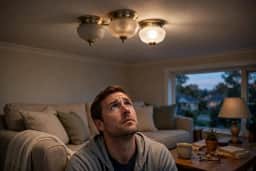 Flickering LightsWhy are the lights in my house flickering?
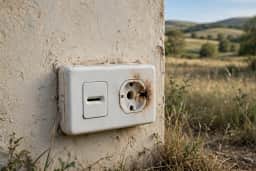 Burnt or Scorched OutletWhat should I do if an outlet has burn marks?
 Burning Smell From OutletIs a burning smell from an outlet dangerous?
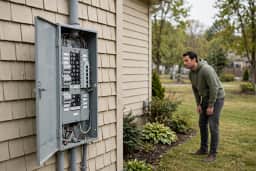 Buzzing Electrical PanelWhy is my electrical panel buzzing?
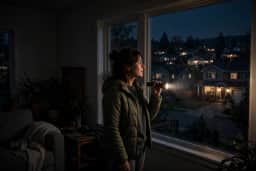 Power Out in Part of the HouseWhy is the power out in only part of my house?
Same-day help often available
Call an electrician in Tulsa
Describe the problem and your Tulsa neighborhood. Your call goes to an independent licensed electrician who works locally.
Call (855) 679-2483Smoke, flames or sparking? Leave the building and call 911 first.
Pronto Electrician is a free referral service. Calls are answered by independent licensed electricians in your area. Pronto Electrician does not perform electrical work, and the electrician you choose sets the price, schedule, permits and warranty.
Free to call · All 50 states + DC
Describe the problem and get connected with an independent licensed electrician who serves your area.