
01
Nineteenth-century brick buildings
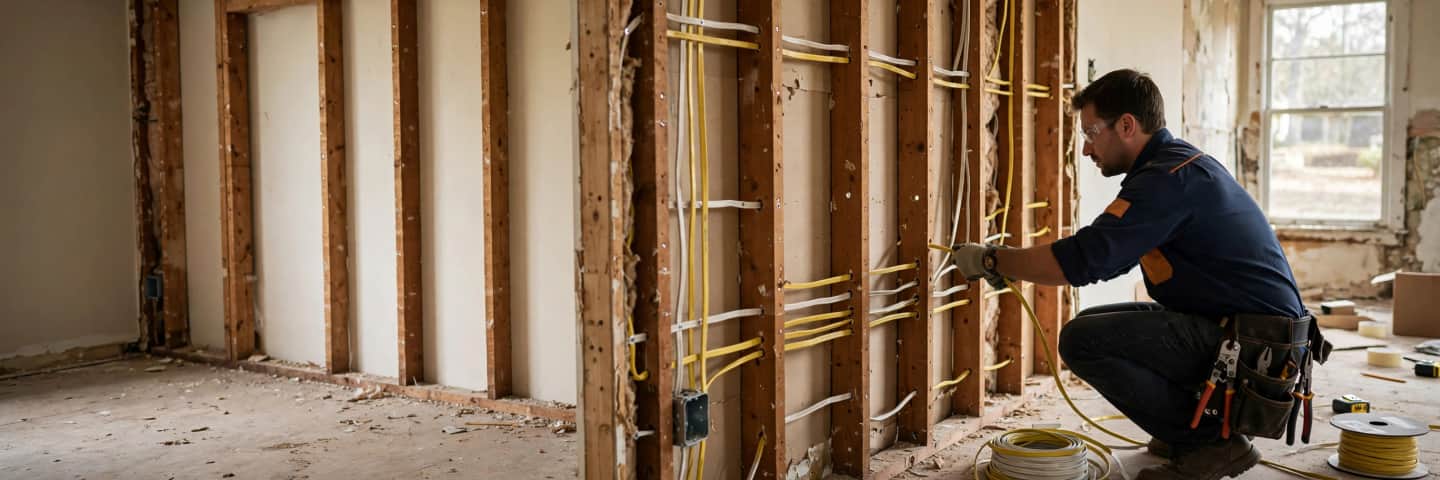
Over-the-Rhine and other historic neighborhoods have brick buildings with knob-and-tube wiring, gas-light pipes and multiple meters that need careful rewiring.
House Rewiring
Cincinnati rises from the Ohio River across a series of steep hills, and its neighborhoods hold one of the country’s richest collections of nineteenth-century brick homes. Duke Energy Ohio supplies power. Century-old wiring, hillside lots prone to landslides, river flooding, wet basements and summer storms shape electrical work in the Queen City.
Free to call · Independent licensed electricians
Serving Over-the-Rhine, Clifton, Hyde Park, Mount Adams, Northside, Price Hill and every other Cincinnati neighborhood.
Cincinnati at a glance
Electrical services in Cincinnati
The calls Cincinnati homeowners make most, followed by every service independent licensed electricians handle here.
Not sure which service you need? Describe the problem and an electrician will tell you.
Call for Electrical Service in CincinnatiHousing and wiring
Over-the-Rhine, the West End and Pendleton have brick Italianate rowhouses and tenements from the mid-1800s. Mount Adams, Columbia-Tusculum and Mount Auburn have homes from the 1800s on steep hillsides. Clifton, Hyde Park, Oakley and Northside have Victorians, foursquares and bungalows from the late 1800s through the 1920s, and outer neighborhoods such as Westwood and Mount Washington grew through the mid-1900s.
Neighborhoods we cover
Local issues
Problems that come up again and again in local homes, and the service that fixes each one.
Over-the-Rhine and other historic neighborhoods have brick buildings with knob-and-tube wiring, gas-light pipes and multiple meters that need careful rewiring.
House RewiringCincinnati’s hills are prone to slow landslides that can shift foundations, service masts and buried feeders.
Electrical Safety InspectionMany homes have basements that take on water during heavy rain, threatening panels and sump pumps.
Electrical Panel UpgradeLocal guide
History, housing, weather and rules that shape electrical work in Cincinnati, OH.
Cincinnati grew quickly in the 1800s as a river port and meatpacking center, building dense brick neighborhoods in the basin and up the surrounding hills. Inclines once carried residents up the slopes, and today many homes sit on steep streets with long stairways. Those hillside lots make service work and trenching more complicated, and they bring landslide risk that affects foundations and buried wiring.
Over-the-Rhine, settled largely by German immigrants, is often cited as one of the largest intact nineteenth-century urban historic districts in the country, with blocks of Italianate brick buildings. After decades of decline, it has seen extensive restoration. Renovating these buildings usually means entirely new electrical systems, consolidated meters, fire-rated assemblies between units and new services, all while respecting historic preservation rules.
Mount Adams, on a steep hill above downtown, has narrow streets of nineteenth-century homes with views of the river. Columbia-Tusculum, one of the oldest settled areas of the city, is known for colorful painted Victorian homes. Both neighborhoods have homes with original wiring, small services and tight access that require careful planning.
Clifton, near the University of Cincinnati, has grand Victorian mansions on Clifton Avenue and smaller homes and apartments nearby. Many older houses are student rentals, where overloaded circuits, space heaters and missing alarms are common concerns. Landlords commonly upgrade panels and add interconnected smoke and carbon monoxide alarms.
Hyde Park and Oakley, on the east side, have Victorian, Tudor and Colonial homes from the late 1800s through the 1920s on tree-lined streets. These popular neighborhoods see frequent remodels, and remodels commonly require panel replacements, service upgrades and removal of remaining knob-and-tube wiring.
Northside, with its eclectic business district, and East and West Price Hill have older frame and brick homes from the late 1800s and early 1900s. Many have been owned by families for generations or are being renovated by new owners. Common needs include grounded circuits, new panels and corrections of past amateur wiring.
Westwood, the city’s largest neighborhood by population, and other west side areas have homes from the early 1900s through the 1950s. Owners finishing basements, adding air conditioning or installing chargers often need panel upgrades.
Cincinnati’s hillsides have clay soils over shale that are prone to slow landslides, especially after heavy rain. Ground movement can crack foundations, pull service masts away from walls and stress buried feeders to garages. Homeowners on slopes should watch for leaning masts, gaps around the meter base and cracked conduit, and have an electrician inspect any damage.
In January 1937, the Ohio River reached its highest recorded level in Cincinnati, flooding large parts of the city. Floodwalls and levees now protect many areas, but neighborhoods along the river and creeks such as Mill Creek can still flood. Equipment that has been underwater must be inspected and usually replaced before power is restored.
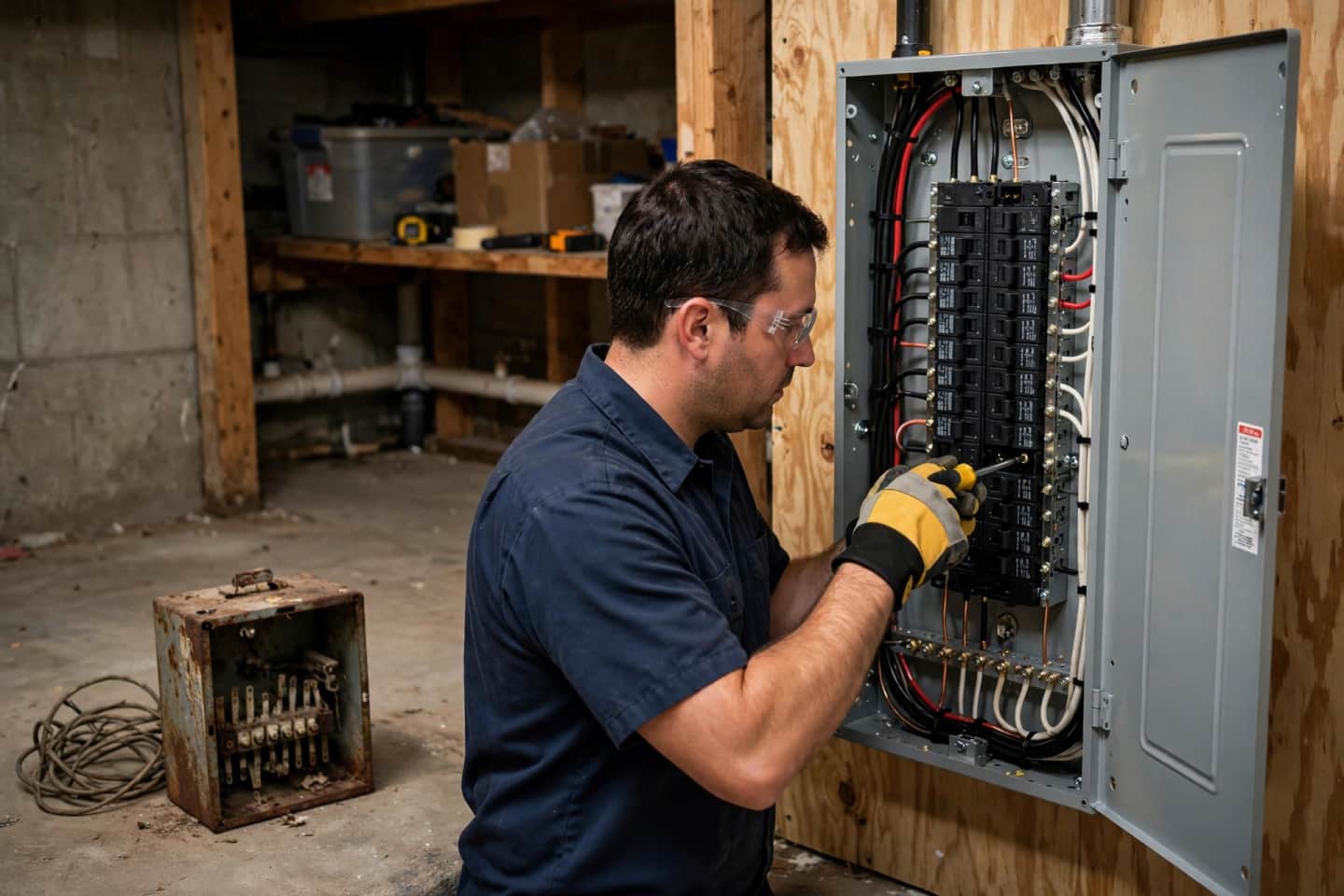
Most Cincinnati homes have basements, and heavy rains push water through old stone and brick foundations. Sump pumps need dedicated circuits, and battery backup keeps them running during storm outages. Basement panels should be checked for rust and moisture.
Summer thunderstorms bring lightning and strong winds that topple trees onto service drops. Surges damage air conditioners, furnace boards and electronics, making whole-home surge protection a sensible upgrade.
Cincinnati winters bring cold snaps that push furnaces and heat pumps. Space heaters on old circuits are a common cause of overloads, and dedicated circuits for heaters in drafty rooms improve safety.
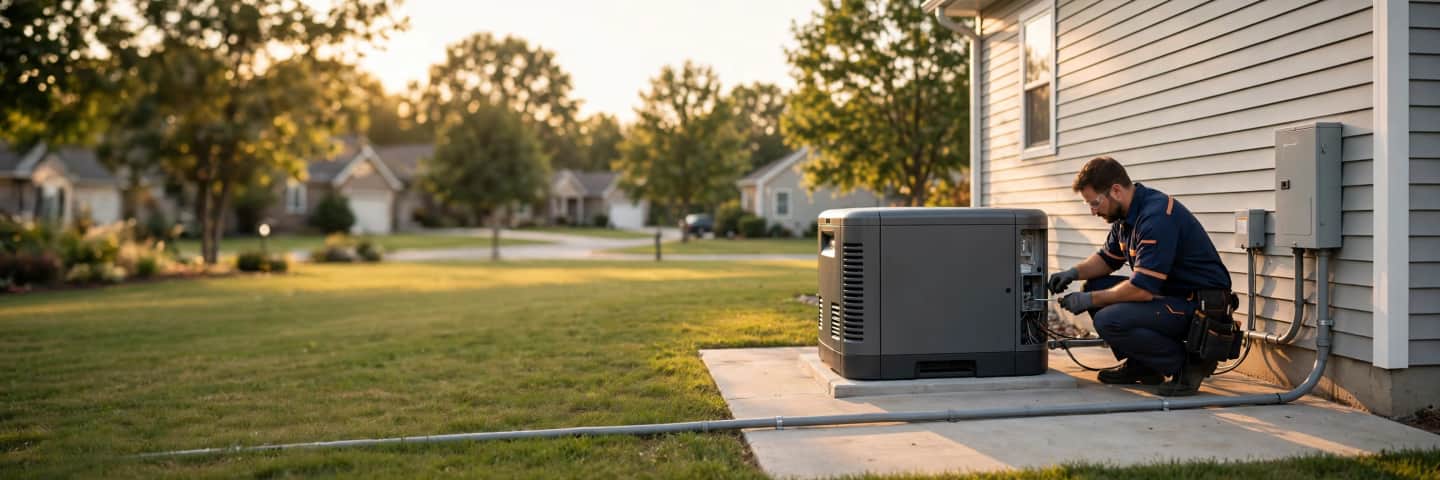
After windstorms such as the remnants of Hurricane Ike in 2008, which knocked out power across the region, many Cincinnati homeowners added generators. Portable generators should connect through a listed interlock or transfer switch.
EV ownership is growing in Cincinnati. Older homes with detached garages may need new feeders, and steep driveways complicate placement. A load calculation determines whether a panel upgrade is needed.
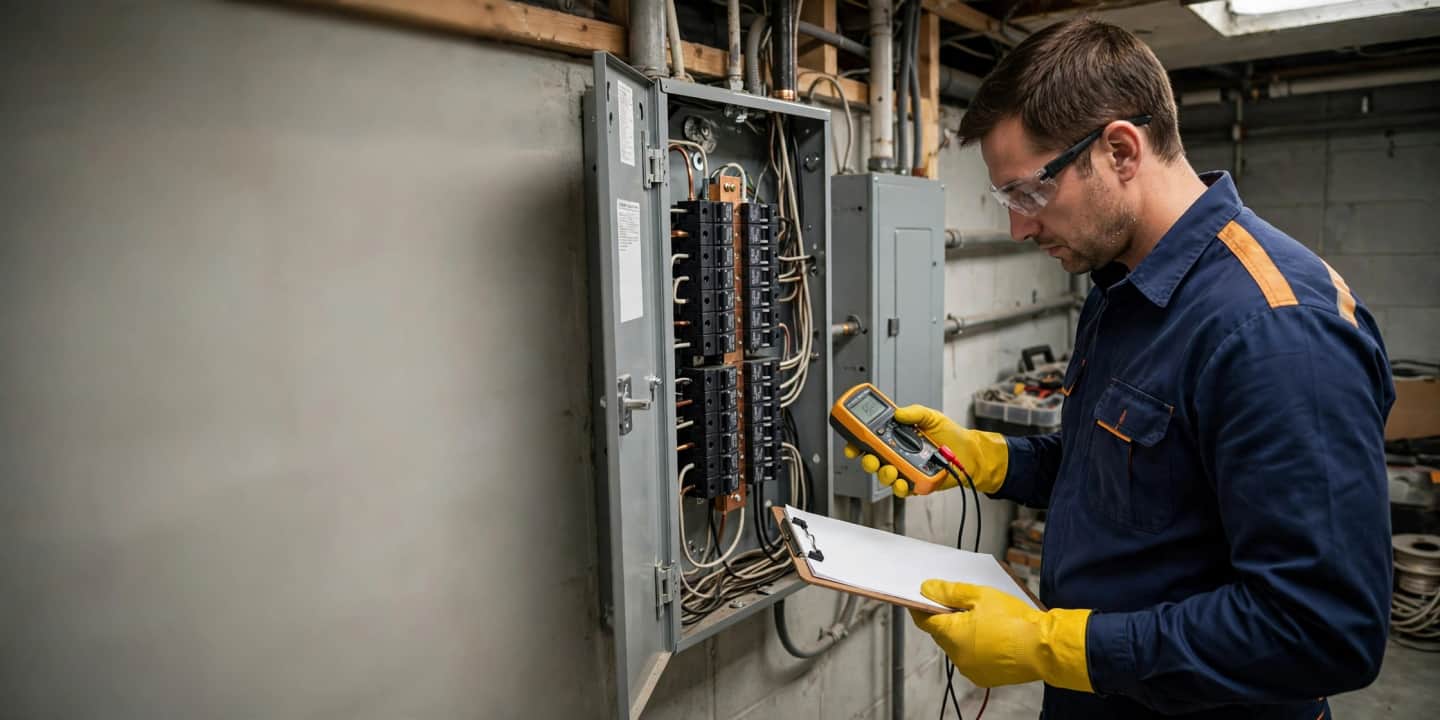
Inspection reports for Cincinnati homes commonly note knob-and-tube wiring, fuse panels, ungrounded outlets, corroded basement panels and service masts pulled away by settling or landslides.
Typical work includes rewiring historic brick homes, service upgrades, sump pump circuits, storm repairs, generator interlocks, rental safety updates and surge protection.
Walnut Hills, once home to Harriet Beecher Stowe, and neighboring Evanston have grand Victorian homes, brick apartment buildings and newer infill housing. After decades of disinvestment, renovation has picked up, and many buildings need complete electrical replacement, from new services and meter banks to rewiring every unit. Fire separation between units and interconnected alarms are part of bringing multifamily buildings up to code.
Mount Washington, Madisonville and Mount Lookout on the east side have bungalows, Cape Cods and colonials from the 1920s through the 1950s. These homes are popular with families, and the most common projects are panel replacements, basement finishing circuits, kitchen remodels and EV chargers in detached garages reached by sloped driveways.
Cincinnati has many two- and three-family brick buildings with stacked units, each with its own meter and panel, often clustered in the basement. Owners upgrading one unit often find it makes sense to replace the whole meter bank and service at once, coordinating with Duke Energy for a single disconnect and reconnect.
Cincinnati’s brewing heritage left large brick industrial buildings in Over-the-Rhine, the Brewery District and along the Mill Creek valley. Many have been converted into lofts, offices and taprooms. Converted buildings often need new services sized for modern use, separate metering for each unit and emergency lighting, while residents of finished lofts work with building management for any electrical change.
Routine repairs can usually be scheduled within days. Service upgrades depend on city permits, inspections and Duke Energy scheduling, and work in historic districts may need approval from the Historic Conservation Board for exterior changes such as new meters or service masts on front facades.
On Cincinnati’s hills, detached garages often sit at the bottom of the lot or across a steep yard from the house. Running a new feeder for a charger or workshop may mean trenching down a slope, boring under steps or following a retaining wall, which affects cost and planning.
Questions
The City of Cincinnati Department of Buildings and Inspections issues permits inside city limits. Many surrounding communities in Hamilton County, such as Norwood and Cheviot, have their own building departments.
Ohio licenses electrical contractors through the Ohio Construction Industry Licensing Board, and Cincinnati requires contractors to be registered with the city to pull permits.
Problem guides
 Breaker Keeps TrippingWhy does my circuit breaker keep tripping?
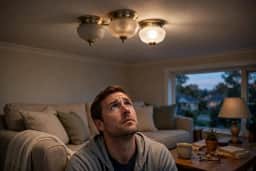 Flickering LightsWhy are the lights in my house flickering?
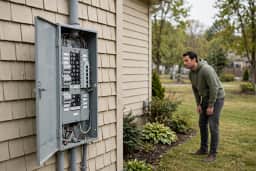 Buzzing Electrical PanelWhy is my electrical panel buzzing?
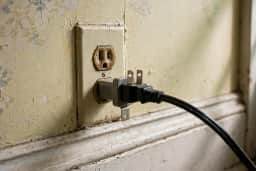 Two-Prong Ungrounded OutletsAre two-prong outlets safe?
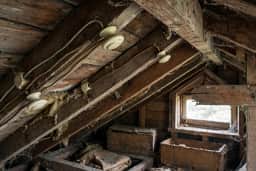 Knob and Tube WiringDo I need to replace knob and tube wiring?
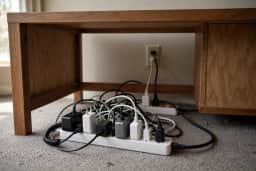 Overloaded Power StripsIs it dangerous to plug a power strip into another power strip?
Same-day help often available
Call an electrician in Cincinnati
Describe the problem and your Cincinnati neighborhood. Your call goes to an independent licensed electrician who works locally.
Call (855) 679-2483Smoke, flames or sparking? Leave the building and call 911 first.
Pronto Electrician is a free referral service. Calls are answered by independent licensed electricians in your area. Pronto Electrician does not perform electrical work, and the electrician you choose sets the price, schedule, permits and warranty.
Nearby
Free to call · All 50 states + DC
Describe the problem and get connected with an independent licensed electrician who serves your area.