
01
Historic and early-1900s homes
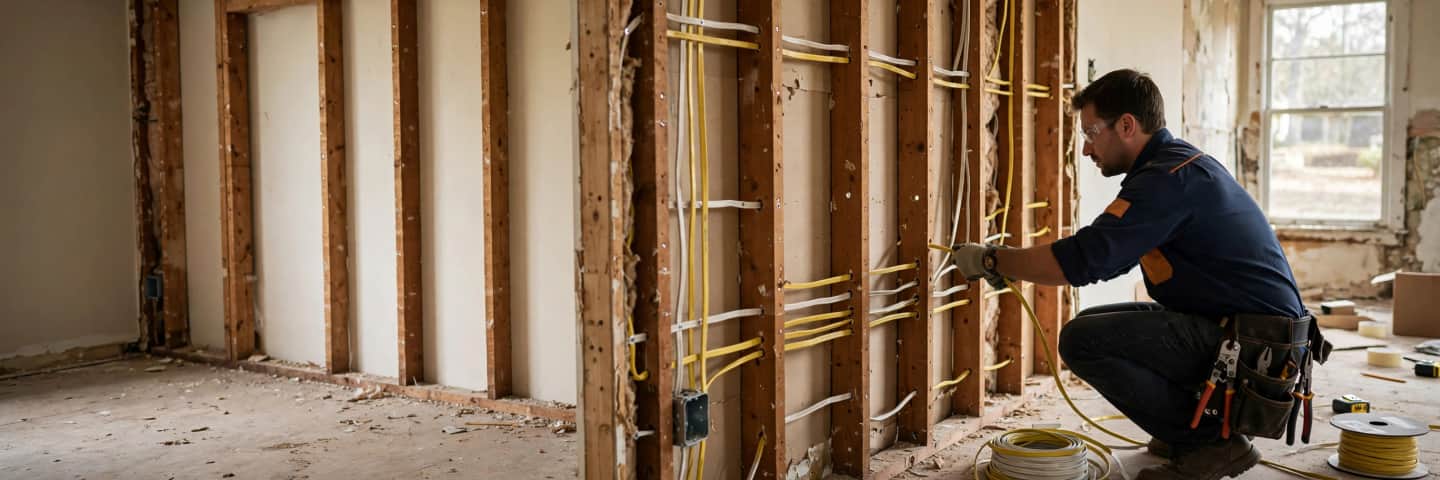
Homes in Gratz Park, Ashland Park and Kenwick often have knob-and-tube wiring, small services and decades of additions.
House Rewiring
Lexington, the Horse Capital of the World, sits in the heart of the Bluegrass, ringed by thoroughbred farms. The city and Fayette County merged in 1974 into a single urban county government, and in 1958 Lexington created the nation’s first urban service boundary to protect farmland. Kentucky Utilities supplies power. Historic homes near downtown, student rentals around the University of Kentucky, ice storms and farm electrical needs shape local work.
Free to call · Independent licensed electricians
Serving Chevy Chase, Ashland Park, Gratz Park, Bell Court, Kenwick, Hamburg and every other Lexington neighborhood.
Lexington at a glance
Electrical services in Lexington
The calls Lexington homeowners make most, followed by every service independent licensed electricians handle here.
Not sure which service you need? Describe the problem and an electrician will tell you.
Call for Electrical Service in LexingtonHousing and wiring
Gratz Park and the downtown historic districts have homes from the early 1800s. Ashland Park, Chevy Chase, Bell Court and Kenwick have homes from the 1900s through the 1940s. Much of Lexington grew with ranch homes and subdivisions from the 1950s through the 1980s, and Hamburg and Masterson Station on the edges were built mostly since the 1990s.
Neighborhoods we cover
Local issues
Problems that come up again and again in local homes, and the service that fixes each one.
Homes in Gratz Park, Ashland Park and Kenwick often have knob-and-tube wiring, small services and decades of additions.
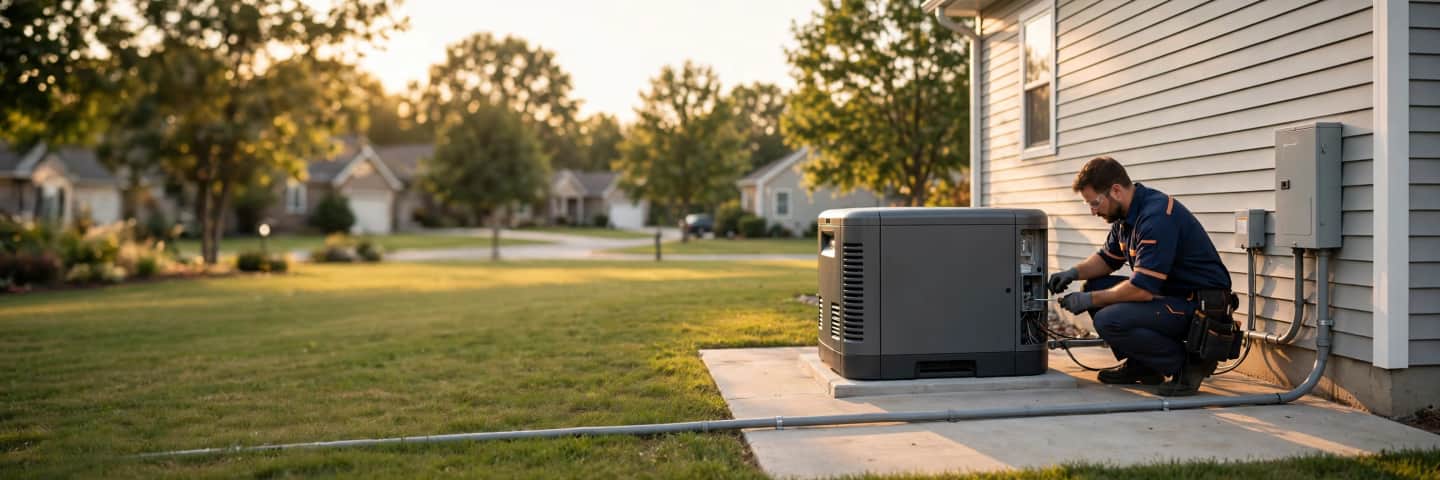
House RewiringThe February 2003 ice storm brought down trees across Lexington and left most of the city without power for days. Generators and prompt mast repairs are common needs.
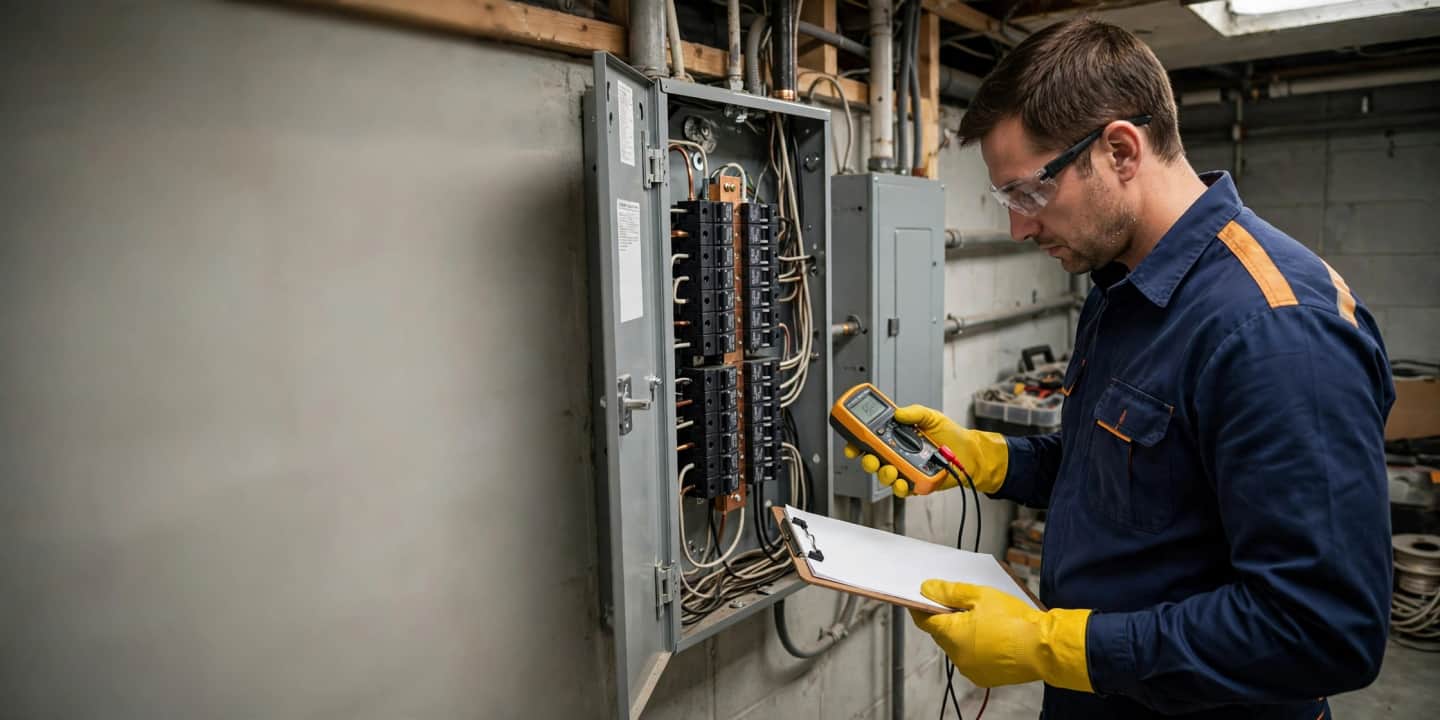
Generator InstallationOlder houses near the University of Kentucky, often divided into apartments, need regular safety updates to panels, outlets and alarms.
Electrical Safety InspectionLocal guide
History, housing, weather and rules that shape electrical work in Lexington, KY.
Since 1974, Lexington and Fayette County have operated as a single urban county government. That simplifies permits: whether a home is downtown or out on a horse farm road, the same Division of Building Inspection handles electrical permits and inspections. Rural parts of the county still have different needs, such as wells, barns and long service runs.
In 1958, Lexington became the first American city to adopt an urban service boundary, limiting suburban sprawl to protect the surrounding horse farms. Inside the boundary, neighborhoods are relatively compact, and infill and renovation of older homes are common. Outside it, large farms dominate the landscape, with barns, stables and residences on extensive acreage.
Gratz Park, near Transylvania University, is one of Lexington’s oldest neighborhoods, with Federal and Greek Revival homes from the early 1800s. Nearby historic districts such as South Hill and Western Suburb have homes from the 1800s as well. Restoring these houses often means replacing knob-and-tube wiring, upgrading services and running circuits through attics and basements without damaging historic plaster and woodwork. Exterior changes are reviewed by the Board of Architectural Review.
Ashland Park, developed on part of Henry Clay’s Ashland estate with a plan by the Olmsted firm, has large homes from the 1920s and 1930s on curving, tree-lined streets. Neighboring Chevy Chase has bungalows and revival homes around a popular shopping district. These homes are frequently remodeled, and remodels commonly require new panels and services.
Kenwick and Bell Court, east of downtown, have bungalows and four-squares from the 1910s through the 1930s. Many are owned by young families and longtime residents renovating kitchens and baths. Original wiring, small panels and ungrounded outlets are common, and service upgrades are typical.
The University of Kentucky’s growth has turned many older homes near campus into student rentals, some divided into several units. Overloaded circuits, space heaters, damaged outlets and missing alarms are common problems. Landlords commonly upgrade panels, add ground-fault and arc-fault protection and install interconnected smoke and carbon monoxide alarms.
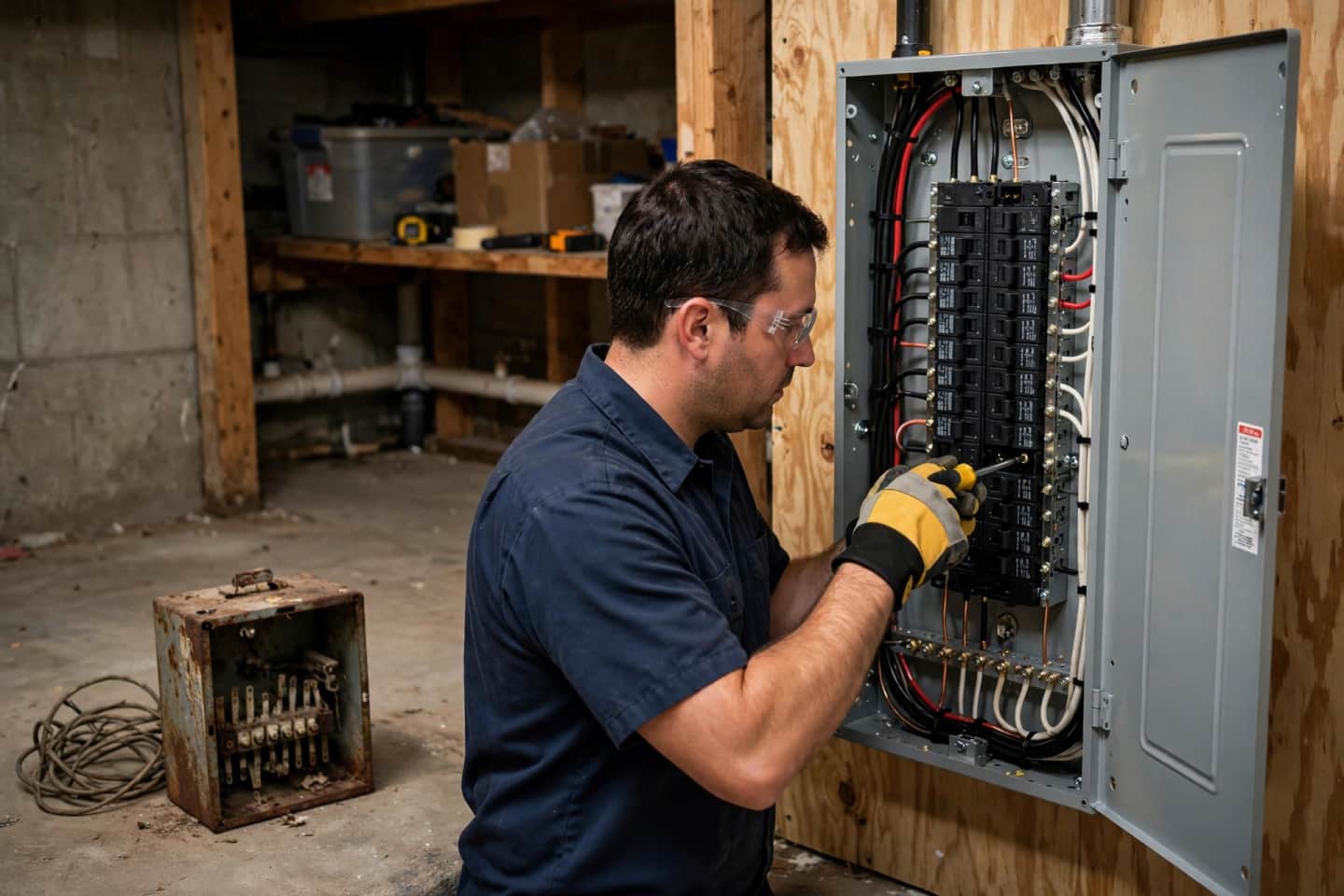
Lexington grew rapidly from the 1950s through the 1980s, and neighborhoods across the south and east are filled with ranch homes and split-levels from that era. Many still have original panels, some of which electricians recommend replacing, and some 1960s and 1970s homes have aluminum branch wiring that needs approved repair methods.
Hamburg, on the east side near I-75, grew from the late 1990s with shopping centers, apartments and subdivisions. Masterson Station and other edge neighborhoods also grew during that period. These homes typically have 200-amp services, but EV chargers, hot tubs and finished basements can still require load planning.
Thoroughbred farms surround Lexington, and many have barns, stables and outbuildings with substantial electrical systems for lighting, fans, water heaters and equipment. Barn fires are a serious risk, often caused by overloaded extension cords, dust-covered fixtures and rodent-damaged wiring. Barn wiring should be in conduit, with dust-tight fixtures, ground-fault protection and regular inspection.
In February 2003, an ice storm coated Lexington’s trees and power lines, bringing down limbs throughout the city and leaving most residents without power, some for more than a week. The storm damaged many service masts and showed the value of generators and tree trimming near service drops.
The Bluegrass region sits on limestone karst, with sinkholes, springs and underground drainage. Sinkholes can open in yards and affect buried feeders and foundations. Electricians planning trenching for detached garages or outbuildings work around known sinkholes and use proper burial depths and conduit.
Many Lexington homes have basements, and wet springs can push water in. Sump pumps need dedicated circuits, and battery backup keeps them running during outages. Basement panels should be checked for rust and moisture.
Spring and summer thunderstorms bring lightning to central Kentucky. Surges damage heat pump boards, appliances and electronics, and whole-home surge protection at the panel is an inexpensive safeguard.
Heat pumps are common in Lexington, and many homes rely on electric backup heat during cold snaps. Older panels may need upgrades to support new heat pumps and other modern loads.
Spring and fall meets at Keeneland, along with major horse sales, bring visitors and gatherings across Lexington. Temporary lighting and outdoor equipment for events should use properly rated circuits with ground-fault protection rather than extension cords.
Inspection reports for Lexington homes commonly note knob-and-tube wiring, fuse panels, aluminum branch circuits, overloaded student rentals and storm-damaged masts.
Typical work includes historic home rewiring, panel and service upgrades, rental safety updates, generator installations, barn and outbuilding wiring, sump pump circuits and surge protection.
Outside the urban service boundary, Fayette County farmhouses can sit a long way from the road, served by long overhead or underground lines. Older farmhouses often have services that were upgraded in stages, with subpanels feeding garages, workshops and barns. Voltage drop on long runs, aging underground cable and outdated grounding are common problems that an electrician can test and correct.
Lexington’s Northside, around North Limestone, and the historic East End, a center of Black life and horse racing history, have shotgun houses, cottages and older two-story homes. Many are being renovated by longtime residents and new buyers, and renovations commonly include new services, panels and rewiring. Community organizations sometimes help owners with essential repairs.
Lexington winters bring cold snaps that push heat pumps onto electric backup heat, sharply increasing electrical demand. Owners of older homes often supplement with space heaters, which should be plugged directly into outlets on circuits that are not already loaded with other appliances.
Lexington’s older neighborhoods are shaded by large oaks, maples and ashes, and many ash trees have died from emerald ash borer. Dead and weakened trees are more likely to drop limbs on service drops during storms. Removing hazardous trees near the drop and keeping branches trimmed reduces outages and damage to masts and meter bases.
Questions
The Lexington-Fayette Urban County Government’s Division of Building Inspection issues permits and inspects work throughout Fayette County, since the city and county share one government.
Yes. Kentucky licenses electricians and electrical contractors through the Department of Housing, Buildings and Construction.
Problem guides
 Breaker Keeps TrippingWhy does my circuit breaker keep tripping?
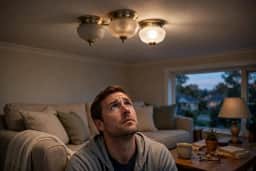 Flickering LightsWhy are the lights in my house flickering?
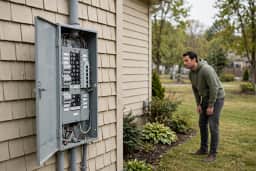 Buzzing Electrical PanelWhy is my electrical panel buzzing?
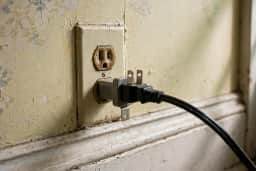 Two-Prong Ungrounded OutletsAre two-prong outlets safe?
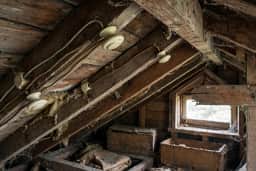 Knob and Tube WiringDo I need to replace knob and tube wiring?
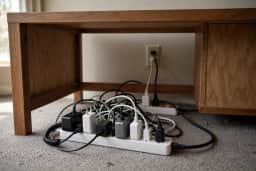 Overloaded Power StripsIs it dangerous to plug a power strip into another power strip?
Same-day help often available
Call an electrician in Lexington
Describe the problem and your Lexington neighborhood. Your call goes to an independent licensed electrician who works locally.
Call (855) 679-2483Smoke, flames or sparking? Leave the building and call 911 first.
Pronto Electrician is a free referral service. Calls are answered by independent licensed electricians in your area. Pronto Electrician does not perform electrical work, and the electrician you choose sets the price, schedule, permits and warranty.
Free to call · All 50 states + DC
Describe the problem and get connected with an independent licensed electrician who serves your area.