

01
Tornadoes and wind
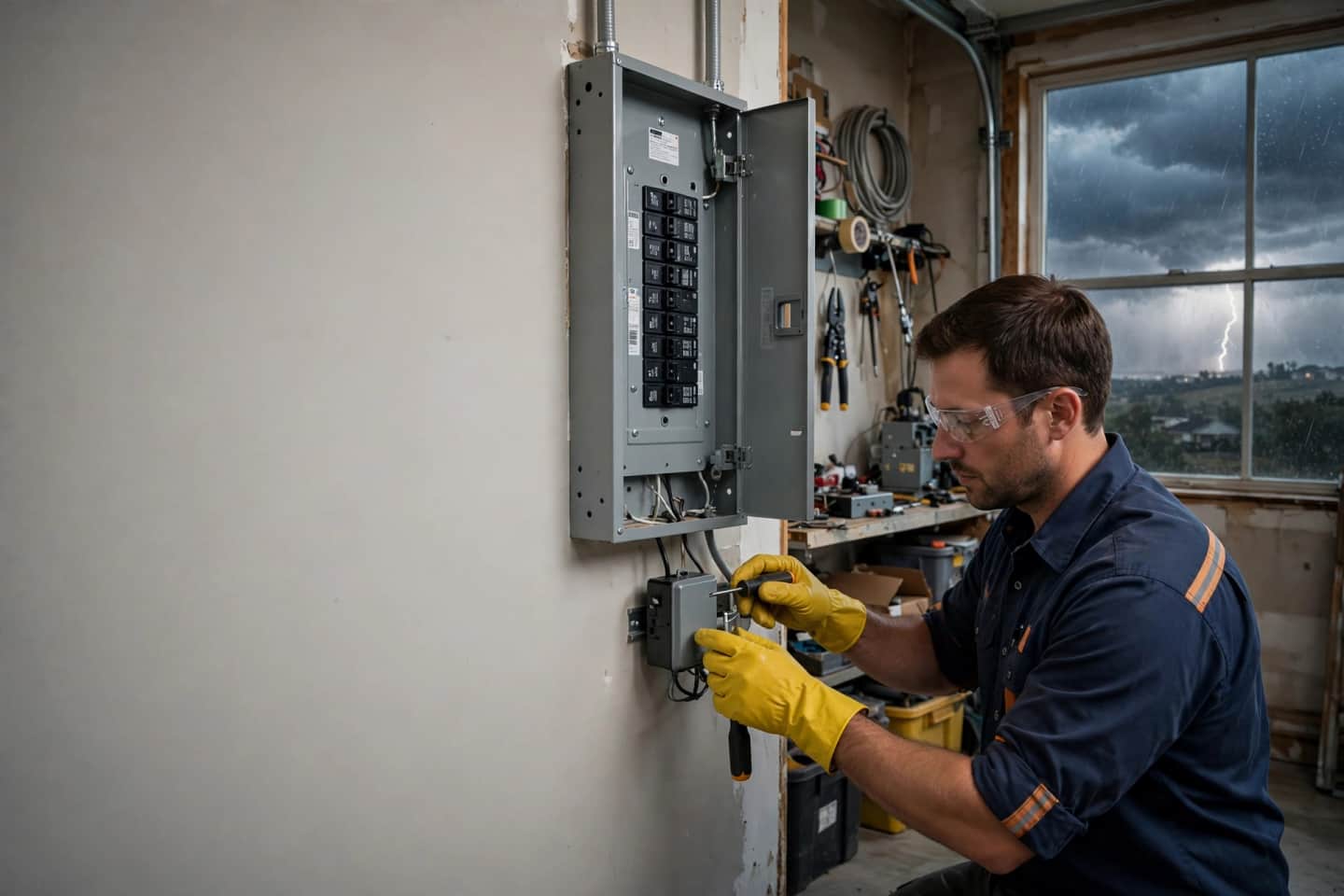
Wichita and its suburbs have been struck by violent tornadoes, and prairie winds regularly damage service drops and masts.
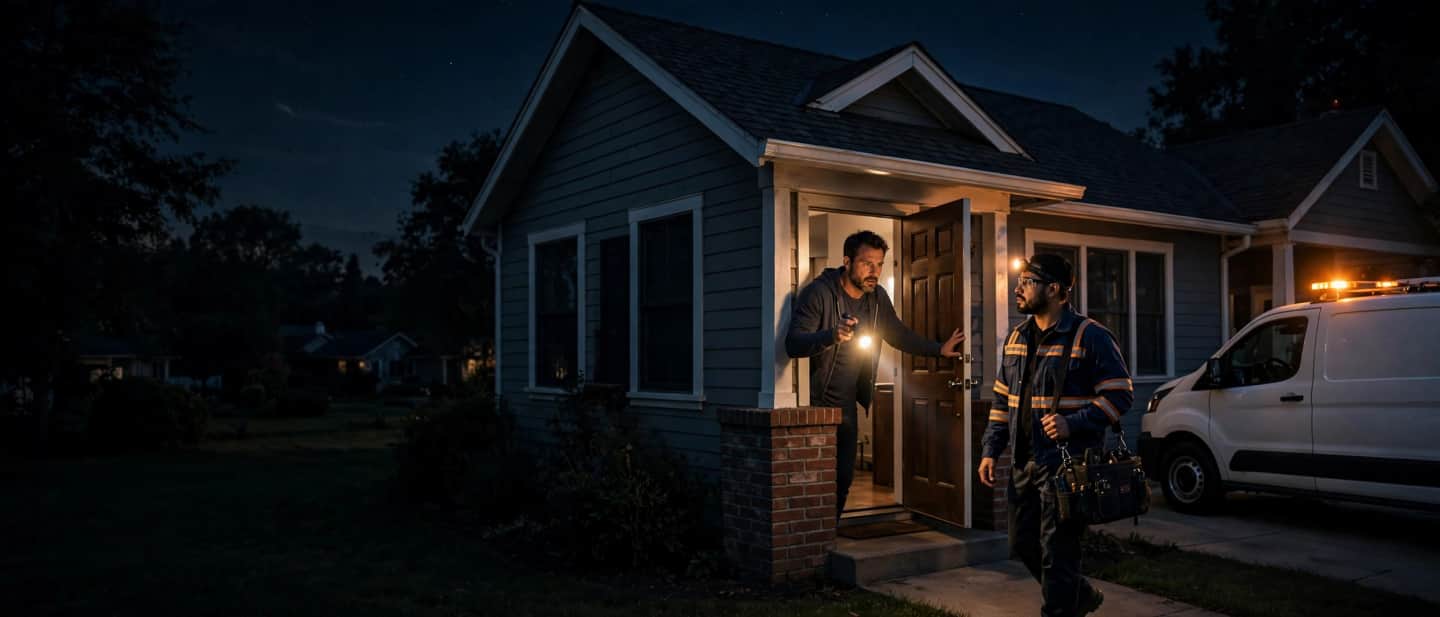
Emergency Electrician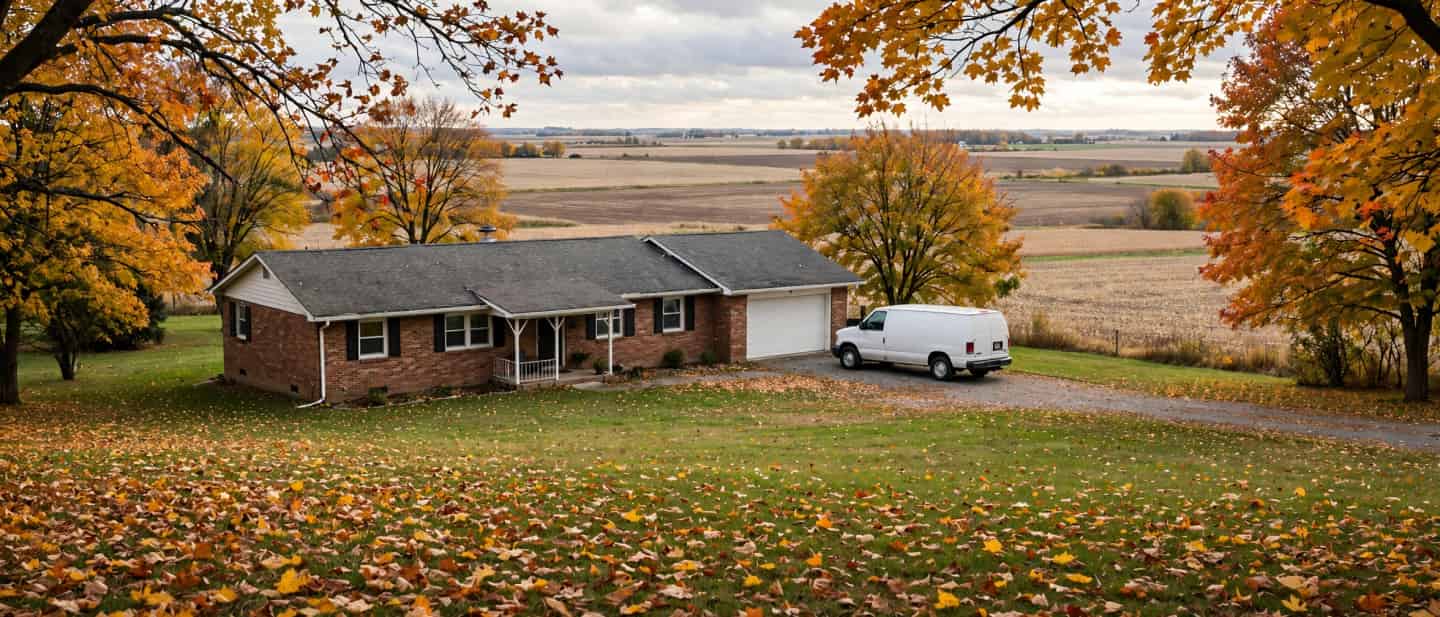
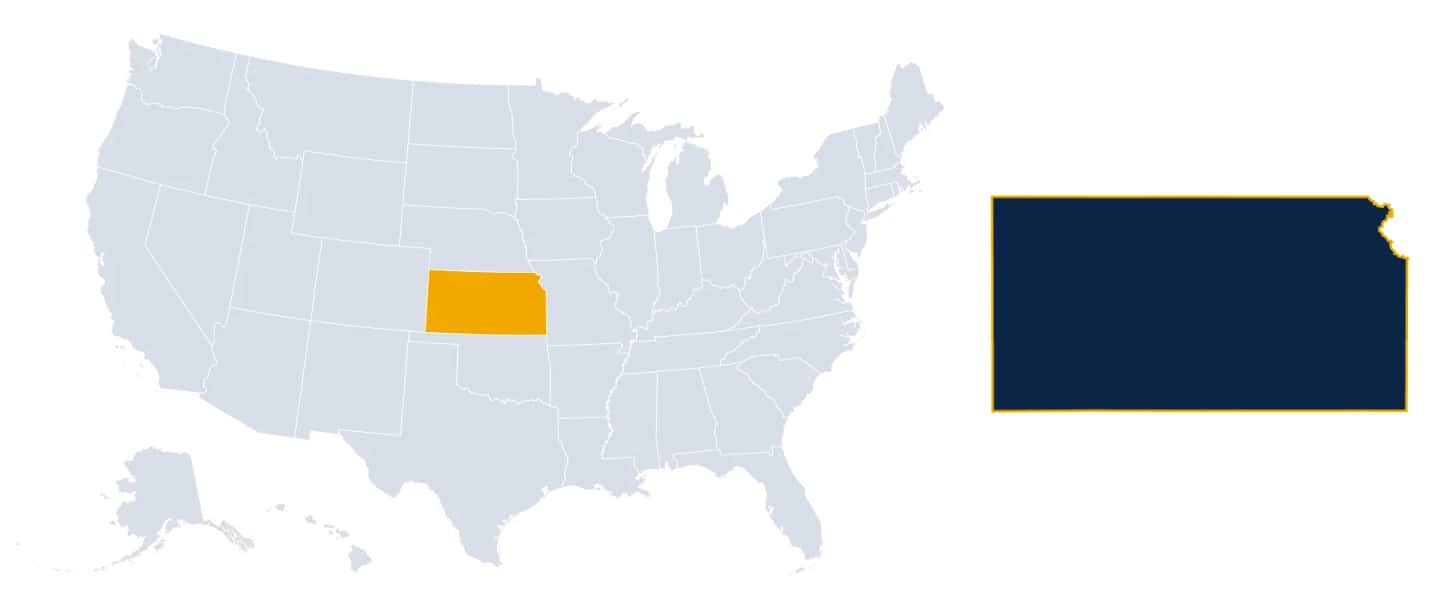
Wichita, the largest city in Kansas, calls itself the Air Capital of the World because of its long history of aircraft manufacturing. Evergy supplies power. Tornadoes, hail, ice storms, prairie wind and hot summers shape what homeowners need from their electrical systems, and a joint city-county agency handles building permits.
Free to call · Independent licensed electricians
Serving College Hill, Riverside, Delano, Midtown, Crown Heights, Old Town and every other Wichita neighborhood.
Wichita at a glance
Electrical services in Wichita
The calls Wichita homeowners make most, followed by every service independent licensed electricians handle here.
Not sure which service you need? Describe the problem and an electrician will tell you.
Call for Electrical Service in WichitaHousing and wiring
College Hill, Riverside and Midtown have homes from the 1900s through the 1930s. Delano, west of the river, is one of the oldest parts of the city. Much of Wichita grew after World War II as aircraft plants expanded, and east and west Wichita grew with newer subdivisions from the 1970s onward.
Neighborhoods we cover
Local issues
Problems that come up again and again in local homes, and the service that fixes each one.
Wichita and its suburbs have been struck by violent tornadoes, and prairie winds regularly damage service drops and masts.
Emergency ElectricianCollege Hill, Riverside and Midtown homes often have knob-and-tube wiring and small services.
House RewiringBasements serve as tornado shelters and need lighting, outlets and sump pump circuits.
Electrical Repair & TroubleshootingLocal guide
History, housing, weather and rules that shape electrical work in Wichita, KS.
Clyde Cessna, Walter Beech and Bill Lear all built aircraft companies in Wichita, and Boeing’s plant made bombers during World War II. Spirit AeroSystems, Textron Aviation and others still employ thousands. The wartime boom brought tens of thousands of workers and the rapid construction of neighborhoods such as Planeview, built as housing for aircraft workers. Many of those homes now have original wiring and panels more than seventy years old.
College Hill, east of downtown, has large homes from the 1910s through the 1930s, including Prairie, Tudor and Colonial Revival styles, on tree-lined streets near the former Friends University site and Wichita State. Renovations commonly replace knob-and-tube wiring, upgrade services and add circuits for modern kitchens and central air.
Riverside, along the Little Arkansas and Arkansas rivers near the Keeper of the Plains, has homes from the early 1900s and is one of Wichita’s most popular older neighborhoods. Its parks and mature trees make it attractive, but trees drop limbs on service drops during storms.
Delano, west of the river, began as a rowdy cattle town in the 1870s and was later annexed. Its older homes and commercial buildings are being revitalized. Old Town, east of downtown, has warehouses converted into lofts and restaurants, where residents work with management for electrical changes.
Midtown, north of downtown, has Victorian and early-1900s homes in historic districts. Many have been restored, and restoration typically includes service upgrades, rewiring and careful placement of meters to preserve facades.
Planeview, in southeast Wichita, was built quickly during World War II to house aircraft workers. Its small homes have been modified over decades, and many need panel replacements, grounded circuits and corrections of amateur wiring. Community programs sometimes assist with repairs.
East Wichita and west Wichita grew from the 1970s onward with ranch homes and larger subdivisions. Homes from the 1970s may have original panels, some from manufacturers electricians recommend replacing, while newer homes typically have 200-amp services.
After major floods in the 1940s, Wichita built the Wichita-Valley Center Floodway, known locally as the Big Ditch, to divert Arkansas River floodwater around the city. It has protected Wichita from many floods, but heavy rains can still overwhelm local drainage and flood basements.
The Wichita area has been struck by violent tornadoes, including the April 26, 1991 tornado that devastated parts of Andover and McConnell Air Force Base, and the May 3, 1999 tornado that damaged Haysville and south Wichita. Basements serve as shelters, and permanent lighting and an outlet make them more useful.
Wichita is one of the windiest large cities in the country, with strong winds common year-round. Wind stresses service drops, masts and rooftop equipment, and loose masts should be repaired before they fail.
Hailstorms regularly damage roofs, condensers and outdoor equipment, and ice storms bring down limbs and lines. Damaged service equipment must be repaired before Evergy reconnects.
McConnell Air Force Base brings military families who often rent homes. Landlords regularly update outlets, alarms and ground-fault protection between tenants.
Wichita State University draws students who rent homes nearby. Older rental houses often need panel replacements and safety updates.
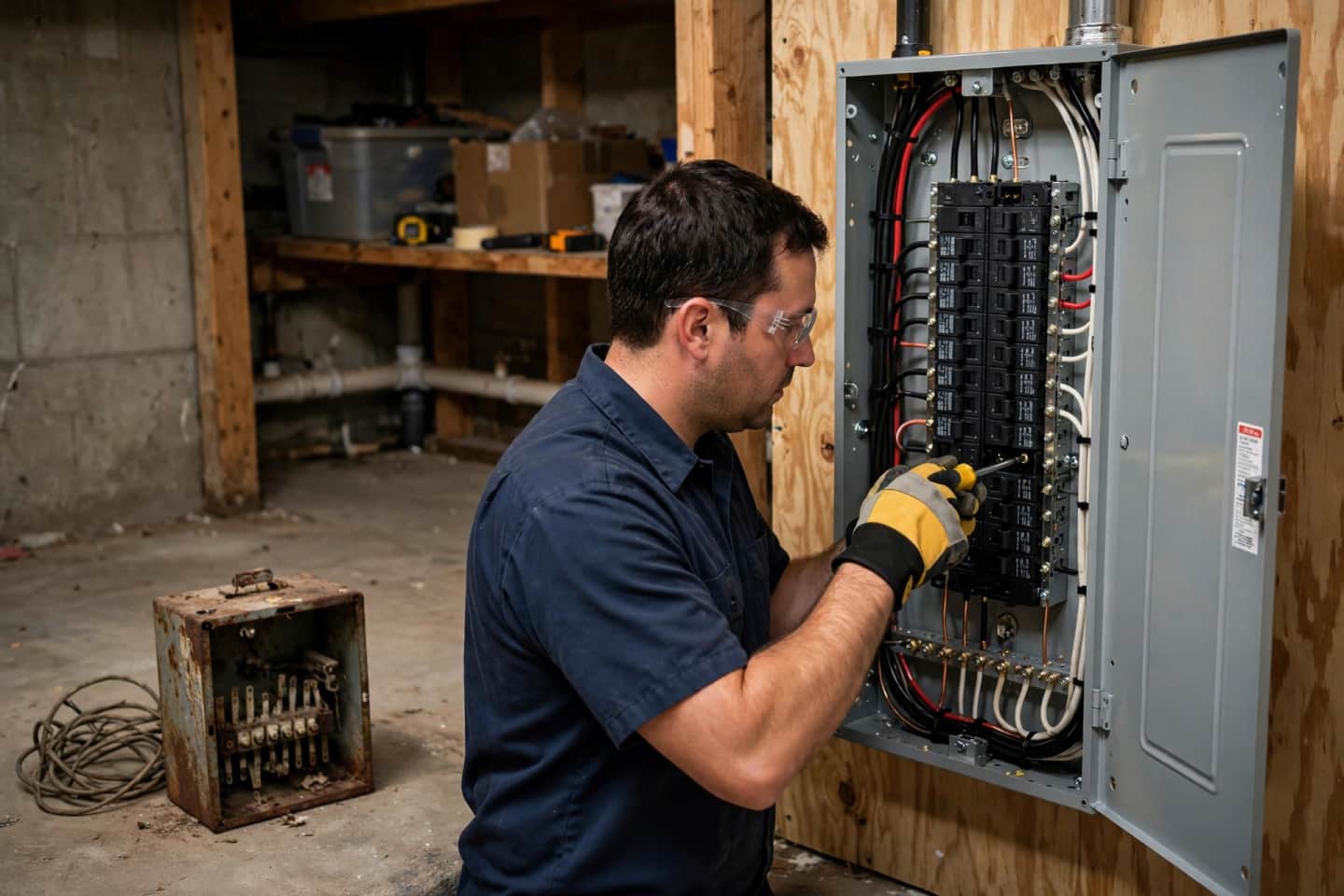
Inspection reports in Wichita often note fuse panels, knob-and-tube wiring, outdated panel brands, wind-damaged masts and amateur basement wiring.
Typical work includes older home rewiring, panel upgrades, storm repairs, basement shelter wiring, generator installations and surge protection.
Crown Heights, along East Douglas and Oliver, developed in the 1920s and 1930s with brick Tudors and cottages around a small shopping district. Next to it, Eastborough is a tiny separate city of larger homes with its own rules. Both have aging wiring hidden behind plaster, and owners modernizing kitchens or finishing basements frequently need panel replacements and new circuits. Because Eastborough is independent, permits there follow its own process rather than the joint city-county department.
Wichita can swing from 105 degrees in July to well below zero in a January cold snap. In summer, air conditioners on undersized circuits trip breakers and overheat connections; in winter, furnaces, heat tape and space heaters push old wiring. Space heaters plugged into extension cords are a leading cause of winter electrical fires, and a dedicated circuit for a heater in a cold basement room is a safer solution.
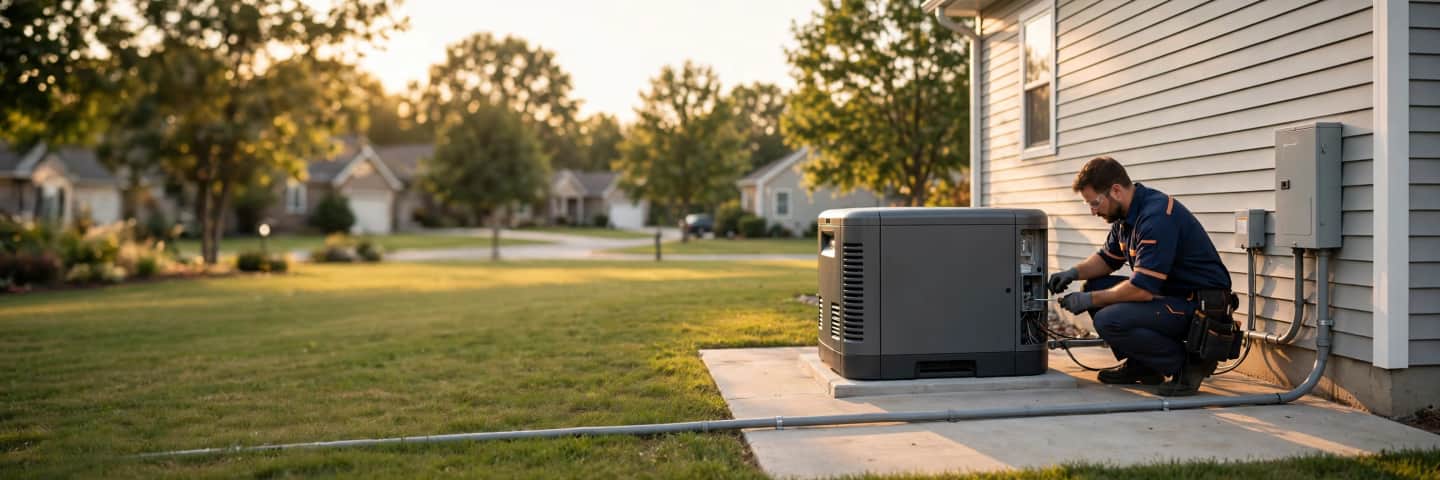
Ice storms have left parts of Wichita in the dark for days, and summer windstorms can drop lines across neighborhoods. Many homeowners now keep a portable generator with a permitted interlock that powers the furnace blower, sump pump, refrigerator and a few lights, while others install natural gas standby units. Generators should sit outside, away from windows and doors, and never be connected through a dryer outlet.
Wichita’s aviation workforce includes many skilled tradespeople who keep well-equipped garages and backyard shops with compressors, welders and machine tools. These shops need feeders and subpanels sized for real loads, correct grounding and outlets matched to equipment plugs. Detached shops wired years ago with undersized buried cable often show voltage drop or tripping that a properly sized feeder solves.
Many Wichita basements double as tornado shelters, and the same spring storms that bring tornado warnings also bring heavy rain. A sump pump on its own circuit, a battery backup and a light in the shelter area that runs without grid power make basements both drier and safer.
Along the Arkansas and Little Arkansas rivers, big cottonwoods, elms and sycamores shade Riverside and the older neighborhoods nearby. Cottonwood limbs are brittle and break easily in summer thunderstorms, often landing on the service drop between the pole and the house. Owners can reduce outages by trimming branches near their own drop, while Evergy handles trees near its distribution lines.
Because Kansas has no statewide electrician license, Wichita relies on licensing administered through the Metropolitan Area Building and Construction Department. Contractors pulling permits must be licensed there, and homeowners can look up permit history for a property, which is helpful when buying an older house.
Each spring, the Wichita Riverfest brings crowds to the riverbanks, and many households host cookouts with string lights, speakers and portable coolers. Outdoor outlets with ground-fault protection and weatherproof covers handle these loads far more safely than extension cords run through windows.
Questions
The Metropolitan Area Building and Construction Department, a joint agency of Wichita and Sedgwick County, issues permits and inspects work in Wichita and unincorporated Sedgwick County.
Kansas does not have a statewide electrician license. Licensing is handled locally, and contractors working in Wichita must hold a license recognized by the metropolitan building department.
Problem guides
 Breaker Keeps TrippingWhy does my circuit breaker keep tripping?
 Flickering LightsWhy are the lights in my house flickering?
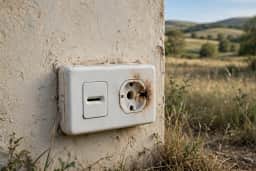 Burnt or Scorched OutletWhat should I do if an outlet has burn marks?
 Burning Smell From OutletIs a burning smell from an outlet dangerous?
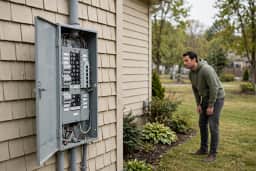 Buzzing Electrical PanelWhy is my electrical panel buzzing?
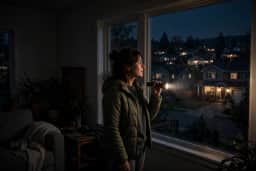 Power Out in Part of the HouseWhy is the power out in only part of my house?
Same-day help often available
Call an electrician in Wichita
Describe the problem and your Wichita neighborhood. Your call goes to an independent licensed electrician who works locally.
Call (855) 679-2483Smoke, flames or sparking? Leave the building and call 911 first.
Pronto Electrician is a free referral service. Calls are answered by independent licensed electricians in your area. Pronto Electrician does not perform electrical work, and the electrician you choose sets the price, schedule, permits and warranty.
Free to call · All 50 states + DC
Describe the problem and get connected with an independent licensed electrician who serves your area.