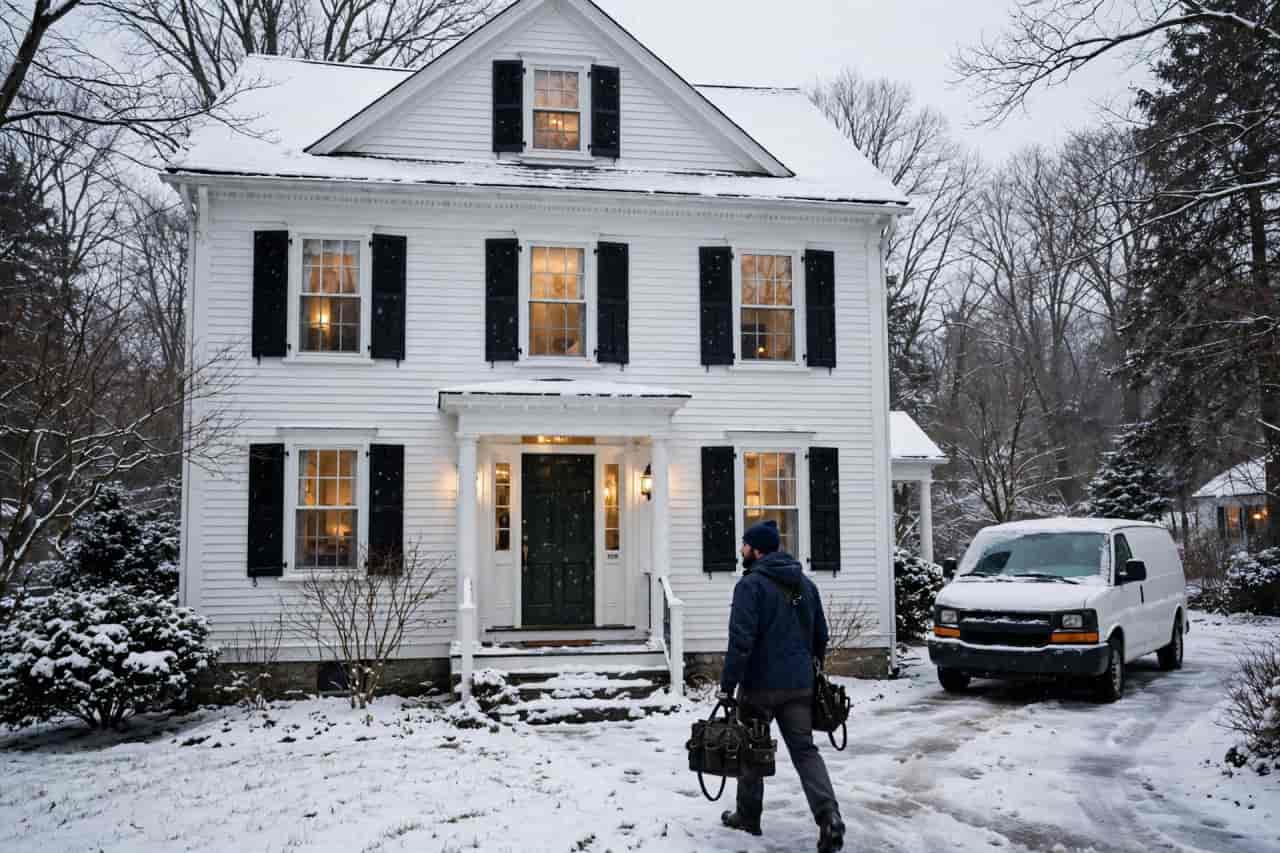
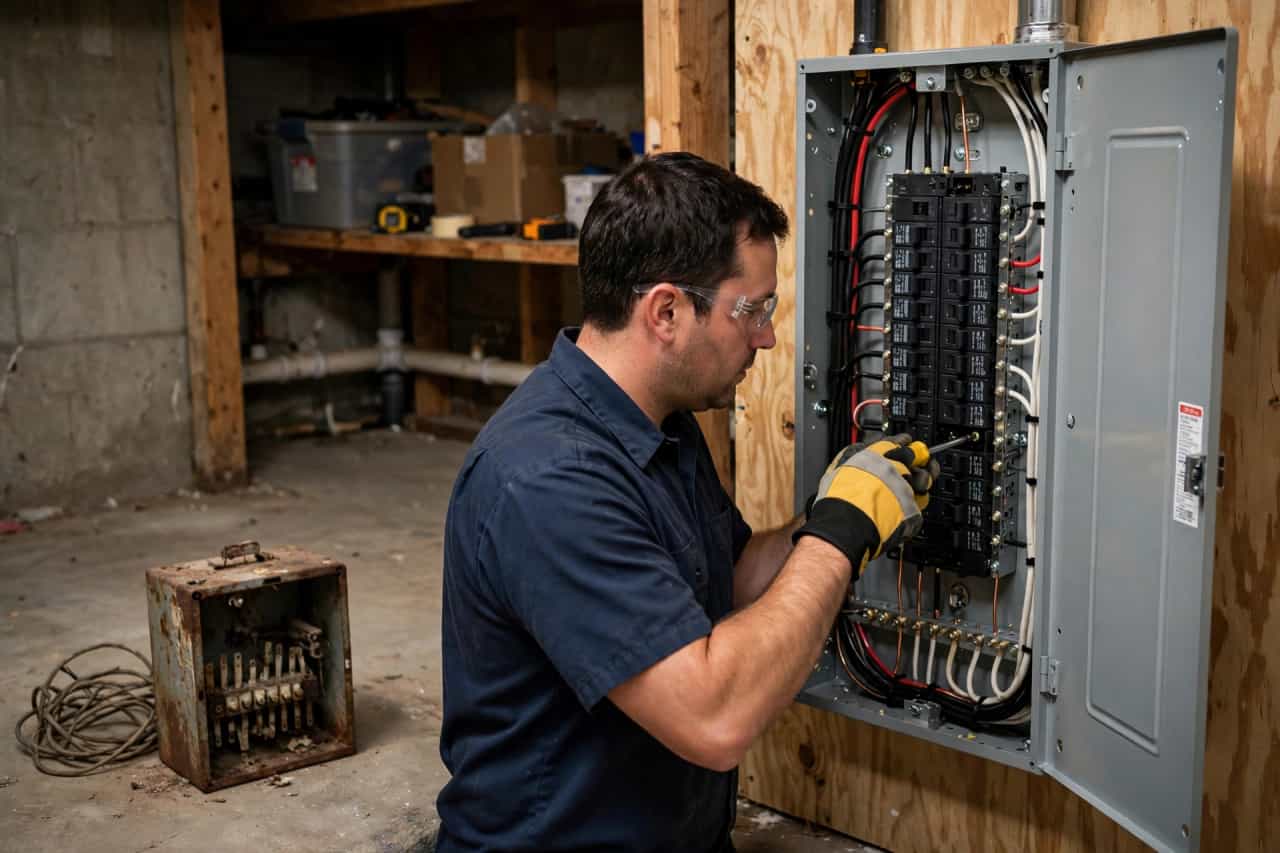
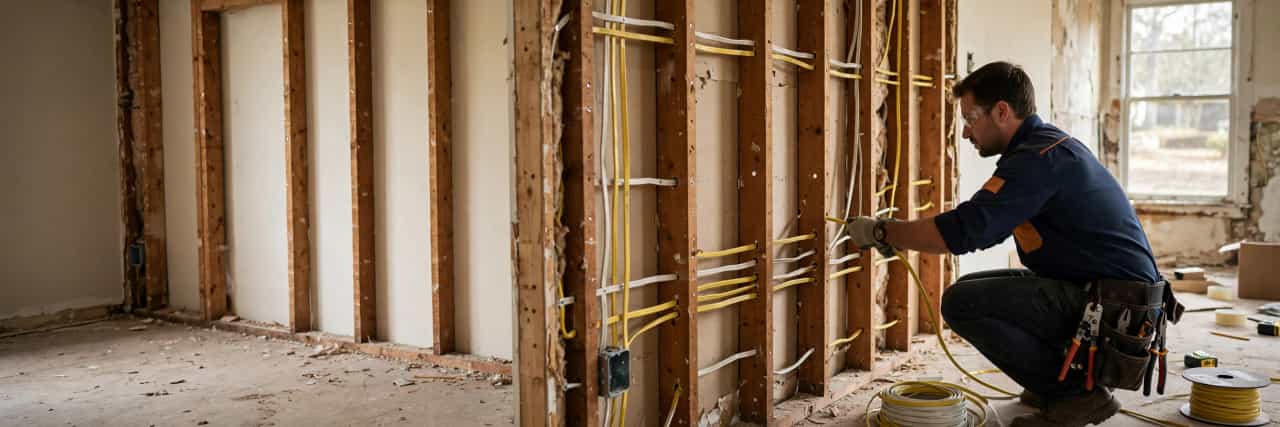
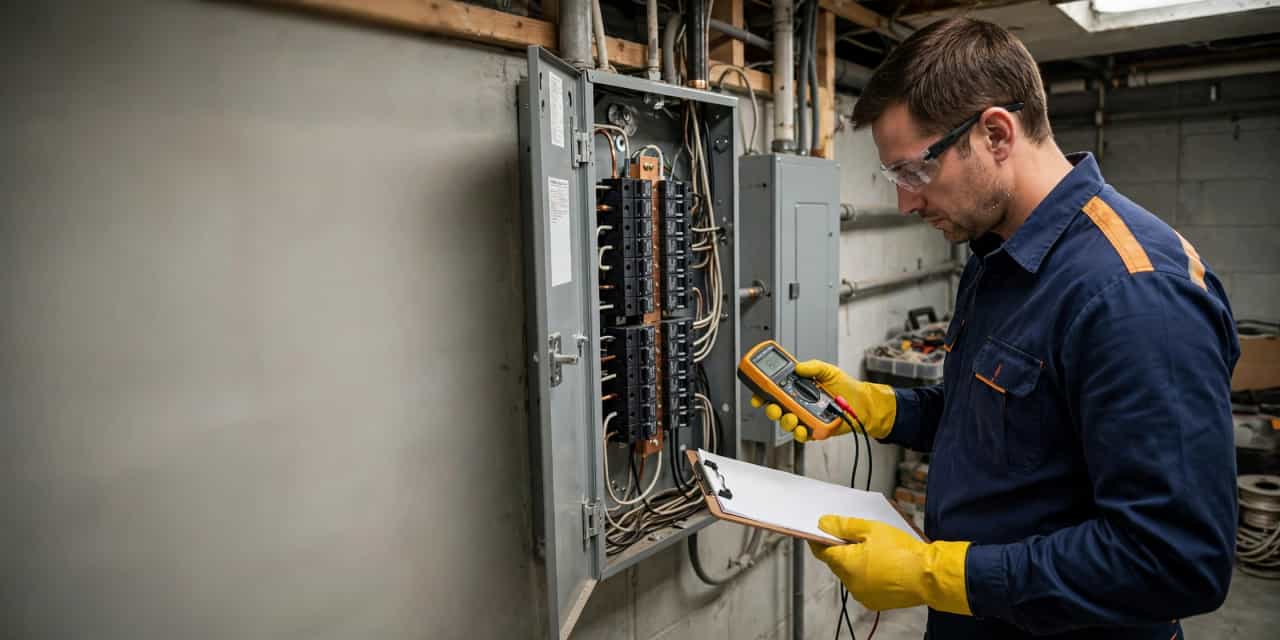
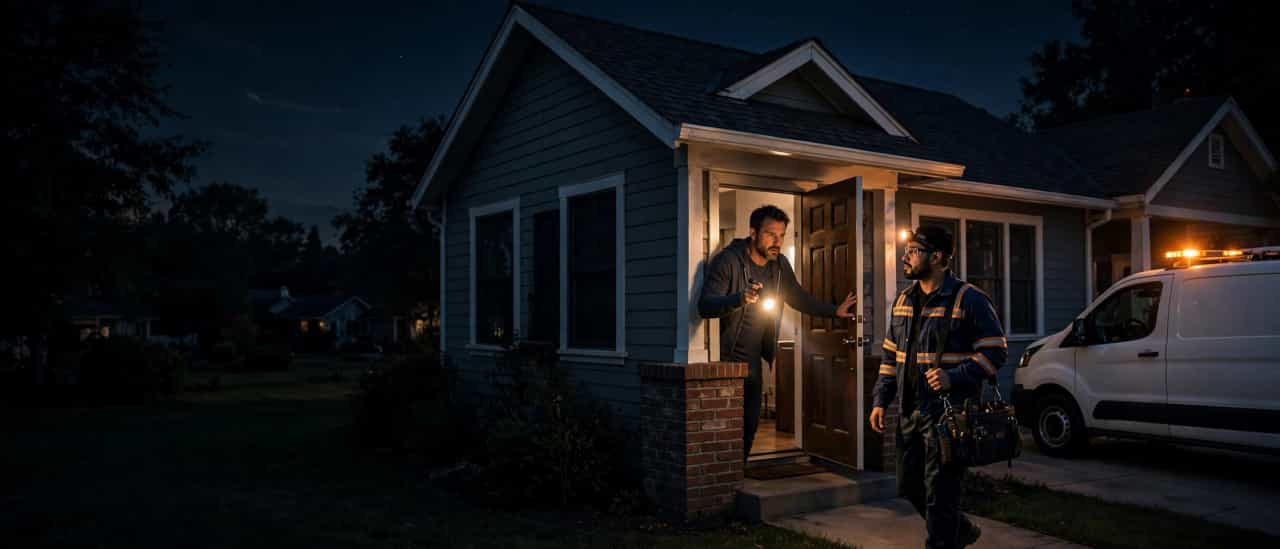
24 hour emergency service, electrical repair, panel upgrades, generator installation and EV chargers in New Haven. Call (855) 679-2483 and get connected with an independent licensed electrician who works locally.
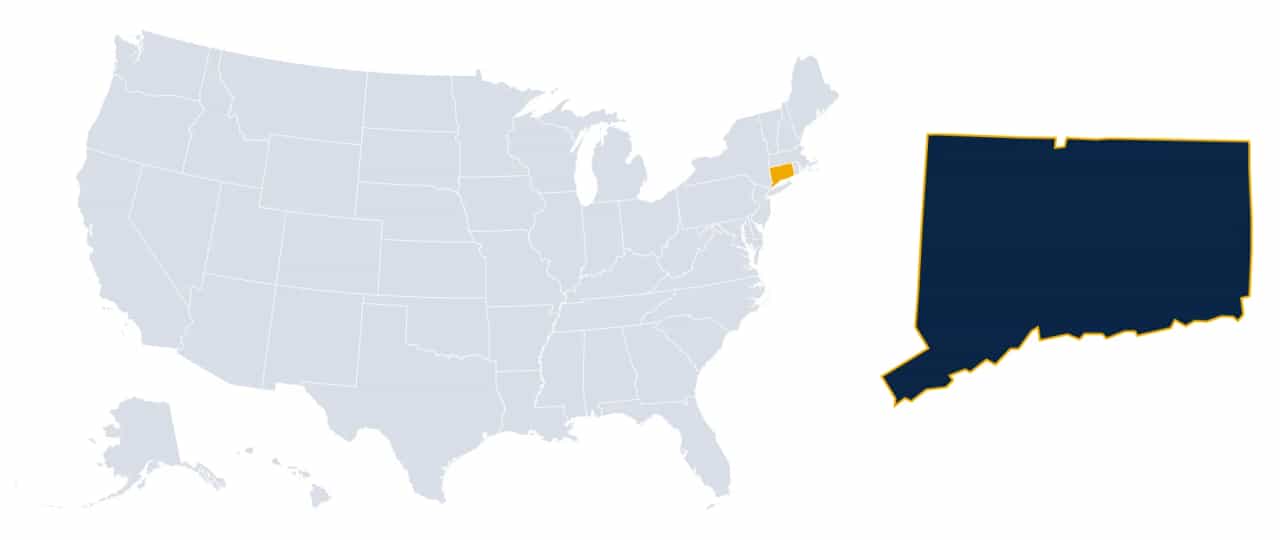
New Haven sits on Long Island Sound where the Quinnipiac, Mill and West rivers meet the harbor, home to Yale University and a dense mix of historic houses. United Illuminating delivers the electricity. Much of the city’s housing is wood-frame two- and three-family stock from the late 1800s and early 1900s, with knob-and-tube remnants and small services. Coastal storms like Irene in 2011, Sandy in 2012 and Isaias in 2020 brought outages and flooding that local homeowners have not forgotten.
By calling, you agree to be connected with an independent electrician, who may call or text you back about your request at the number you call from. Calls may be recorded for quality and routing. Consent is not a condition of any purchase, and you can opt out at any time; message and data rates may apply. Privacy policy.
Serving East Rock, Wooster Square, Fair Haven, Westville, Morris Cove, The Hill and every other New Haven neighborhood.
New Haven at a glance
Electric utility
United Illuminating (UI) delivers electricity; customers may choose a third-party supplier
Permits and inspections
City of New Haven Building Department (200 Orange Street), which issues electrical permits under the Connecticut State Building Code
County
New Haven County
ZIP codes include
06510 · 06511 · 06513 · 06515 · 06519
Electrical services in New Haven
What do you need help with in New Haven, CT?
The calls New Haven homeowners make most, followed by every service independent licensed electricians handle here.
East Rock and Wooster Square hold Victorian and Italianate homes, many divided into apartments. Fair Haven and The Hill have dense frame two- and three-family houses from around 1880 to 1930, each unit usually with its own meter. Westville offers early-1900s single-family homes near the West River, while Morris Cove and the East Shore include waterfront cottages and mid-century houses exposed to coastal flooding.
Problems that come up again and again in local homes, and the service that fixes each one.
01
Coastal flooding on the East Shore
Storm surge from Irene and Sandy pushed water into homes in Morris Cove and along the East Shore. Electrical equipment that has been submerged must be evaluated and usually replaced rather than reused.
New Haven’s triple-deckers often have a meter and small panel for each unit plus a house meter. Adding air conditioning or laundry often means upgrading individual panels or the whole service.
Older East Rock, Wooster Square and Fair Haven homes can hide knob-and-tube or cloth-insulated wiring. An inspection identifies what is still live before renovations or insulation work.
History, housing, weather and rules that shape electrical work in New Haven, CT.
East Rock’s Victorian streets
East Rock, named for the ridge and park at its northern edge, is a neighborhood of large Victorian and early-twentieth-century homes, many now divided into apartments for Yale graduate students and faculty. Wiring in these houses often spans several eras, from knob-and-tube to modern cable. Renovations frequently uncover old splices and ungrounded circuits that should be replaced while walls are open.
Wooster Square’s brick rowhouses
Wooster Square, a historic district known for its cherry trees and Italian-American heritage, is lined with brick and frame homes from the 1800s. Many of these buildings have been converted to condos and apartments. Narrow floor plans and plaster walls make rewiring painstaking, and owners often combine electrical upgrades with other renovation work to minimize disruption.
Fair Haven along the Quinnipiac
Fair Haven, on the west bank of the Quinnipiac River, grew as an oystering village before becoming a dense neighborhood of frame two- and three-family houses. Many date from the late 1800s. Small services, overloaded circuits and old fuse panels are common, and low-lying blocks near the river can see water in basements during heavy rain or storm surge.
Triple-deckers in The Hill
The Hill, south of downtown near Yale New Haven Hospital, has many frame triple-deckers and two-families from around the turn of the twentieth century. Each apartment usually has its own meter and panel. Landlords updating units often need to address undersized services, missing GFCI protection in kitchens and baths and common-area wiring that has been patched repeatedly over the decades.
Westville and the West River
Westville, in the city’s northwest corner near the West River and Edgewood Park, holds single-family homes from the early 1900s through the 1930s, along with a village center of shops. Many homes have had partial upgrades, leaving a mix of old and new wiring. Owners adding central air, EV chargers or finished basements often find the existing service needs an upgrade first.
Morris Cove and the East Shore
Morris Cove and the East Shore sit on the harbor’s eastern side, with waterfront homes, cottages and mid-century houses close to Long Island Sound. These neighborhoods are among the most exposed in the city to storm surge. Raising panels and meters above flood levels, using weather-resistant outdoor fixtures and adding generator inlets are common projects after coastal storms.
Tropical Storm Irene, August 2011
Irene swept through Connecticut in late August 2011, bringing heavy rain, coastal flooding and widespread tree damage. Outages lasted days in parts of the UI service area. Surge reached homes along the East Shore. The storm prompted many residents to consider backup power and to have flooded electrical equipment inspected before being re-energized.
Superstorm Sandy, October 2012
Sandy arrived in late October 2012 with a storm surge that flooded coastal neighborhoods across Connecticut, including parts of New Haven’s shoreline. Water reached basements and ground floors where panels and meters sit. Submerged electrical equipment should not be reused without evaluation, and many homeowners replaced panels, outlets and wiring after the storm.
Isaias and the August 2020 outages
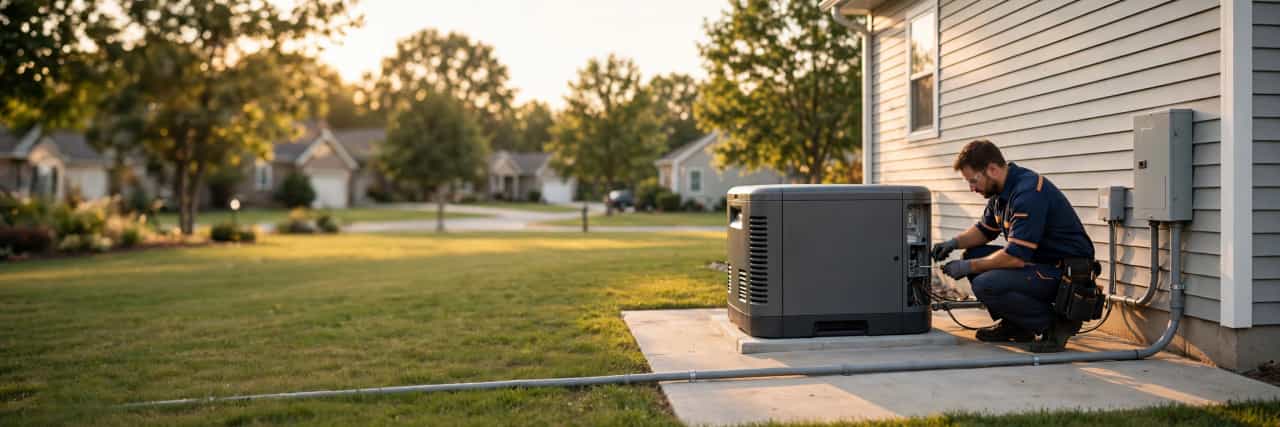
Tropical Storm Isaias crossed Connecticut on August 4, 2020, with strong winds that brought down trees and lines across the state, leaving hundreds of thousands without power. Restoration took days in many communities. The storm renewed interest in standby generators, transfer switches and portable generator inlets that let homeowners power essential circuits safely.
Nor’easters and the February 2013 blizzard
Winter storms are a regular part of life in New Haven. The February 2013 blizzard dropped well over two feet of snow across the area, and nor’easters bring wind-driven snow and ice that can pull down service drops. When a service mast is damaged, an electrician must repair it before the utility can reconnect. Heating systems need power, making backup plans important.
United Illuminating and supplier choice
United Illuminating owns the wires, poles and meters in New Haven and nearby shoreline towns. Connecticut allows customers to choose a third-party supplier for generation, but UI still delivers the power and handles outages. Service upgrades require coordination with UI for disconnects, meter work and reconnection, which a licensed electrician handles as part of the job.
Yale and the student rental market
Yale University and its graduate and professional schools bring thousands of students to New Haven, and many live in older houses near campus. Shared apartments with space heaters, multiple chargers and window air conditioners can overload old circuits. Landlords benefit from adding dedicated circuits and modern breakers, and tenants should report warm outlets or frequent trips promptly.
Basements and wet conditions
Many New Haven homes have stone or brick basements where panels and laundry sit. Heavy rain and high groundwater can bring water in, especially near the rivers and harbor. GFCI protection for basement outlets, sump pumps on dedicated circuits and raising equipment above flood levels reduce risk. Any panel that has been wet should be inspected before use.
Connecticut licensing and permits
Connecticut requires electricians to hold state licenses issued by the Department of Consumer Protection. Permitted work in New Haven is inspected by the city’s Building Department. Hiring a licensed electrician who pulls the permit protects you at resale and with insurers, and ensures the work meets the State Building Code.
Lead paint and older housing
Most New Haven housing was built before 1978, when lead-based paint was common. Cutting into plaster or woodwork for electrical work can disturb lead paint. Contractors working in pre-1978 homes should follow EPA lead-safe practices, which matters especially in homes with young children.
EV chargers in a dense city
Many New Haven homes lack garages or have small detached ones, so EV charging often means installing an outdoor charger near a driveway. Older services may need an upgrade first, and in multi-family houses, the charger must connect to the correct unit’s meter. A load calculation determines what is possible.
Lighting and outlets in older homes
Older New Haven homes often have few outlets and limited ceiling lighting. Renovations are the right time to add receptacles, GFCI and AFCI protection, recessed lighting and bath fans. Period fixtures can be rewired and reinstalled to preserve the character of historic homes.
When something smells hot
If you notice smoke, a burning smell, sparking or a panel that feels warm, keep everyone clear. Switch off the main or the affected circuit only if it is safe to reach and you are not standing in water. Call 911 for fire or smoke, then call (855) 679-2483 to be connected with a licensed electrician.
Questions
Questions from New Haven, CT homeowners
Is there a 24 hour emergency electrician in New Haven, CT?+
Yes. Call (855) 679-2483 any time, day or night, and you are connected with an independent licensed electrician who covers New Haven, including East Rock, Wooster Square, Fair Haven. For sparks, smoke or a hot panel, call 911 first.
Who handles electrical repair and generator installation in New Haven?+
Licensed electrical contractors working in New Haven County handle outlet and switch repair, circuit troubleshooting, panel work and standby generator installation. Permits go through City of New Haven Building Department (200 Orange Street), which issues electrical permits under the Connecticut State Building Code.
Who issues electrical permits in New Haven?+
The City of New Haven Building Department at 200 Orange Street issues electrical permits for work inside the city, applying the Connecticut State Building Code. Neighboring towns such as West Haven and Hamden have their own building officials.
Who do I call if my power keeps going out in New Haven?+
Report outages affecting your street to United Illuminating. If the problem is only in your home, such as tripping breakers or flickering lights, call (855) 679-2483 to be connected with a licensed electrician.
How do I check an electrician’s license in Connecticut?+
Connecticut licenses electricians through the Department of Consumer Protection, with contractor and journeyman licenses, and you can verify a license number on the state’s eLicense website.
By calling, you agree to be connected with an independent electrician, who may call or text you back about your request at the number you call from. Calls may be recorded for quality and routing. Consent is not a condition of any purchase, and you can opt out at any time; message and data rates may apply. Privacy policy.
Free to call
Explain the problem in plain words
Connect with an independent licensed electrician near you
Smoke, flames or sparking? Leave the building and call 911 first.
Pronto Electrician is a free referral service. The electricians you are connected with are independent contractors, not employees or agents of Pronto Electrician. Pronto Electrician does not perform electrical work, and the electrician you choose sets the price, schedule, permits and warranty.
By calling, you agree to be connected with an independent electrician, who may call or text you back about your request at the number you call from. Calls may be recorded for quality and routing. Consent is not a condition of any purchase, and you can opt out at any time; message and data rates may apply. Privacy policy.