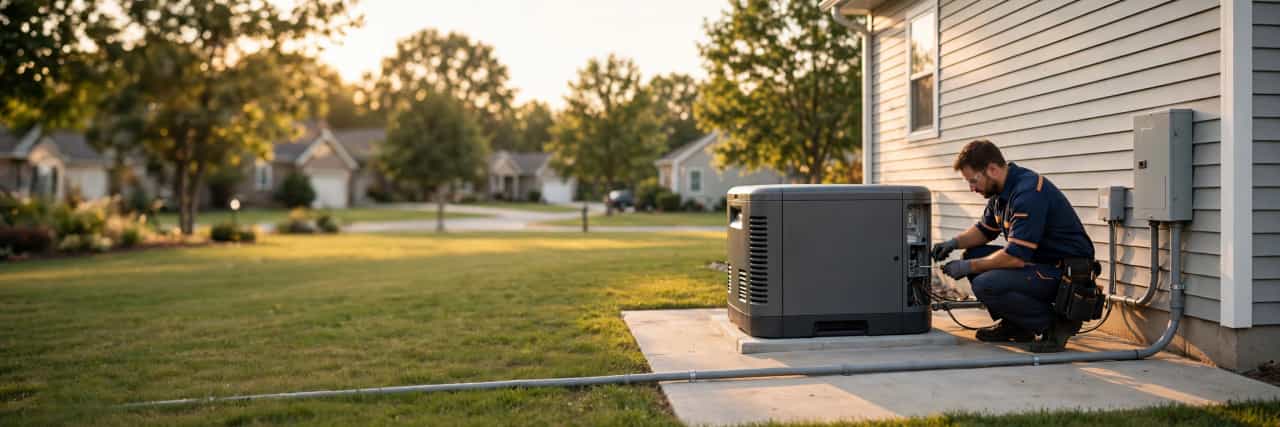
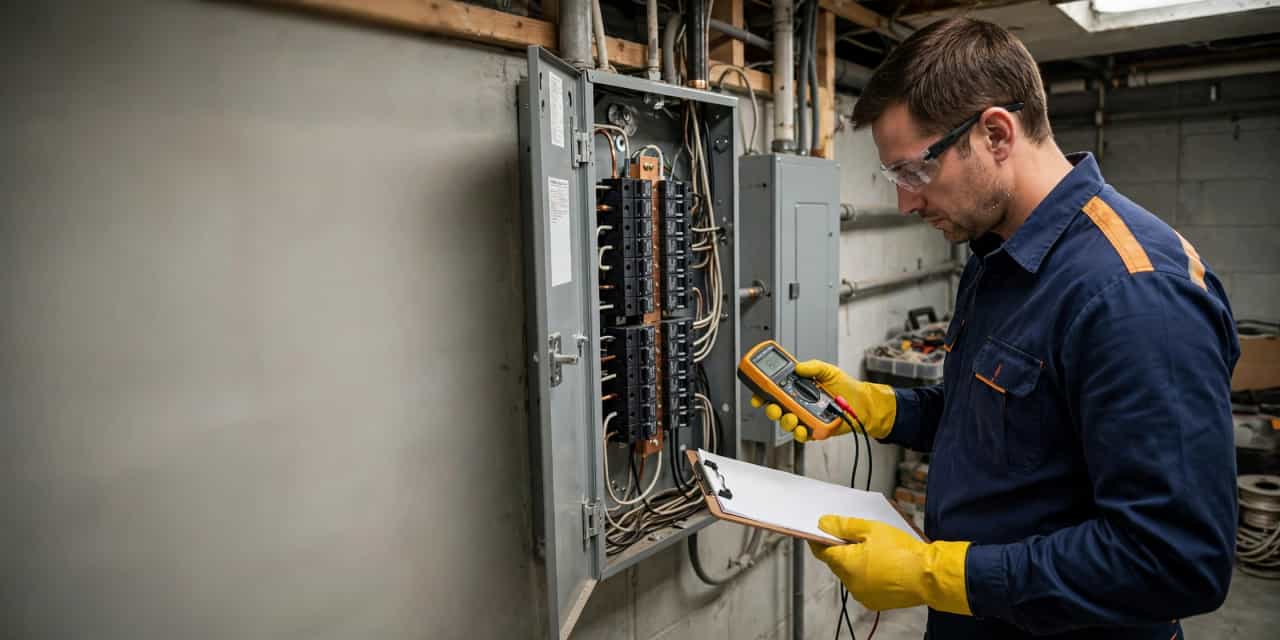
24 hour emergency service, electrical repair, panel upgrades, generator installation and EV chargers in Bridgeport. Call (855) 679-2483 and get connected with an independent licensed electrician who works locally.
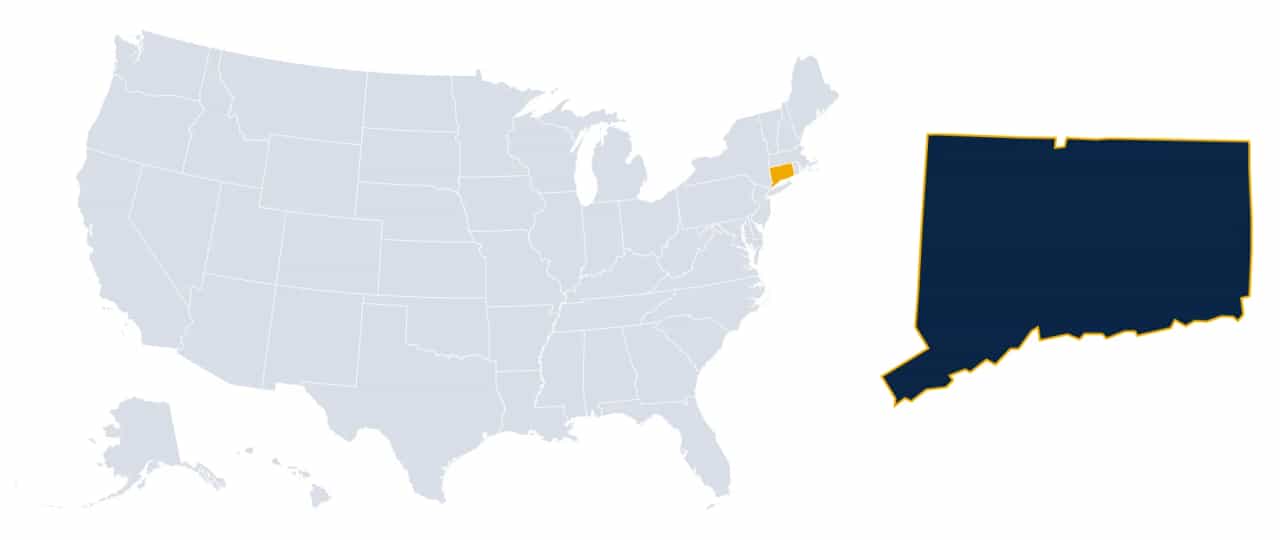
Bridgeport is Connecticut’s largest city, a former industrial center on Long Island Sound where the Pequonnock River meets the harbor. United Illuminating delivers its power. Neighborhoods are filled with two- and three-family houses built for factory workers in the late 1800s and early 1900s, and the shoreline has felt the full force of Irene in 2011, Sandy in 2012 and Isaias in 2020, each of which left thousands of homes in the dark.
By calling, you agree to be connected with an independent electrician, who may call or text you back about your request at the number you call from. Calls may be recorded for quality and routing. Consent is not a condition of any purchase, and you can opt out at any time; message and data rates may apply. Privacy policy.
Serving Black Rock, North End, East Side, West End, South End, Brooklawn and every other Bridgeport neighborhood.
Bridgeport at a glance
Electric utility
United Illuminating (UI) delivers electricity; customers may choose a third-party supplier
Permits and inspections
City of Bridgeport Building Department (Margaret E. Morton Government Center, 999 Broad Street)
County
Fairfield County
ZIP codes include
06604 · 06605 · 06606 · 06607 · 06608 · 06610
Electrical services in Bridgeport
What do you need help with in Bridgeport, CT?
The calls Bridgeport homeowners make most, followed by every service independent licensed electricians handle here.
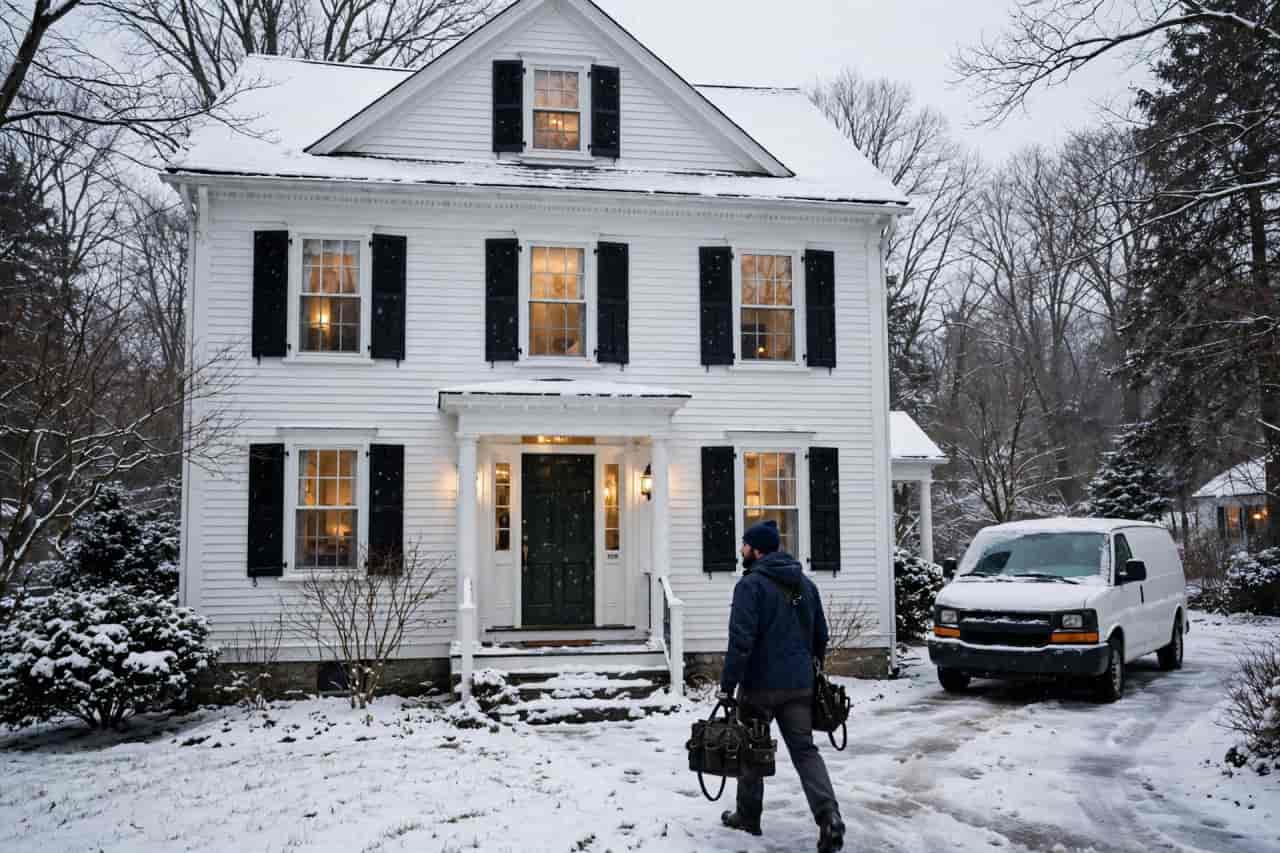
Much of Bridgeport’s housing is wood-frame two- and three-family stock from roughly 1880 to 1930, often with a separate meter for each unit. Black Rock and Brooklawn add larger Victorian and Colonial Revival single-family homes. The North End holds more 1920s through 1950s single-family houses and capes, while the East Side and South End mix older tenements with newer infill and public housing redevelopments.
Problems that come up again and again in local homes, and the service that fixes each one.
01
Coastal flooding in the South End and Black Rock
Storm surge from the Sound has pushed water into low basements near Seaside Park and Black Rock Harbor. Panels and meters that were submerged should be replaced, and raising them during repairs reduces future risk.
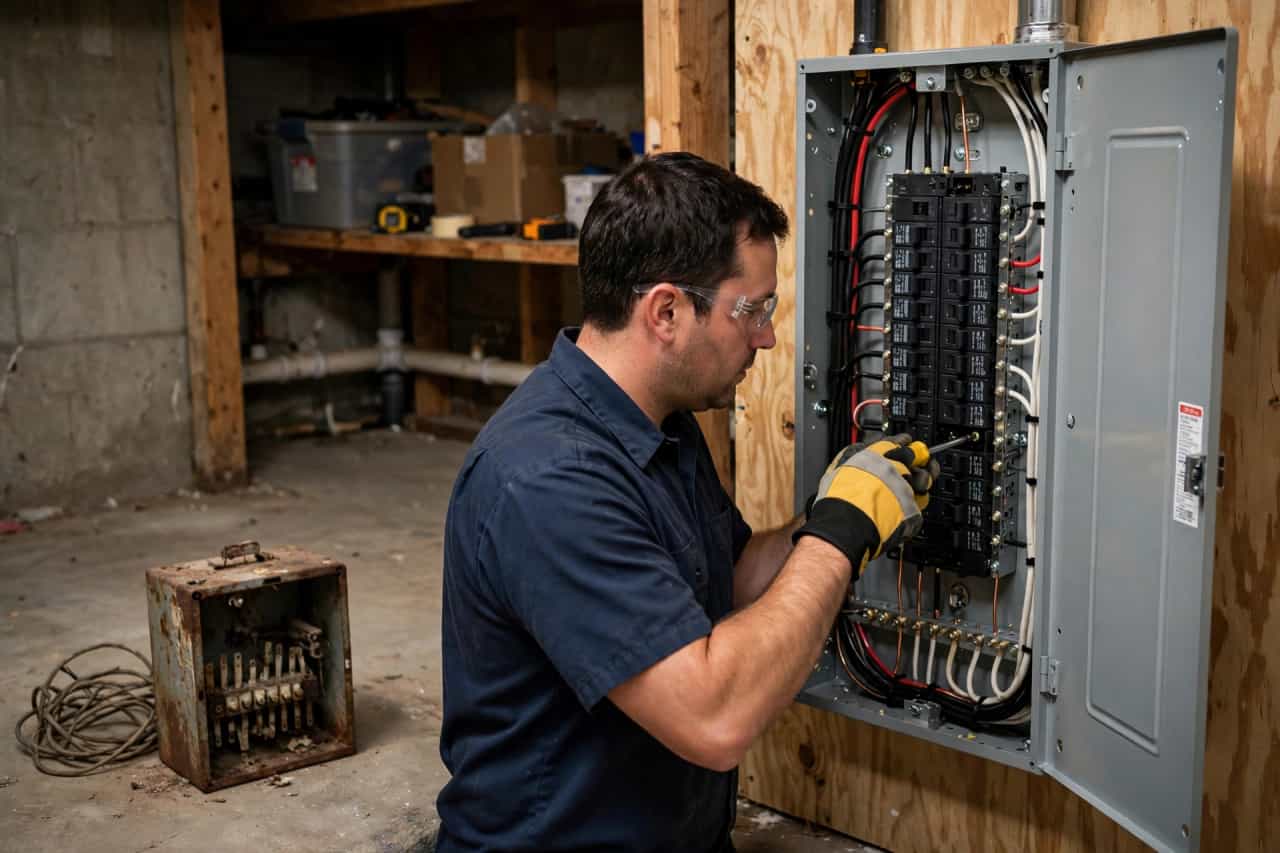
A typical three-family house has a small service for each apartment plus a house panel for halls and the cellar. Adding air conditioning or laundry often means coordinated panel and meter work with UI.
Pre-1930 houses can still carry live knob-and-tube or cloth-covered cable extended by later owners. Insurers often ask about it, and an inspection shows what remains before walls open.
History, housing, weather and rules that shape electrical work in Bridgeport, CT.
Black Rock’s harbor-side Victorians
Black Rock, on the city’s western shore by Black Rock Harbor and the Fairfield line, is known for large Victorian and early 1900s houses on tree-lined streets. Many have been carefully restored. They often carry decades of layered wiring, from knob-and-tube in the attic to modern cable in remodeled kitchens, and their basements sit close enough to the water to deserve attention when storms threaten.
Tropical Storm Irene, August 2011
Irene arrived in late August 2011 with heavy rain, high winds and surge along the Sound. Trees fell across lines throughout Fairfield County, and UI customers in Bridgeport waited days for restoration in some neighborhoods. Many homeowners learned then that a generator is only safe when connected through a transfer switch or interlock, never backfed through a dryer outlet.
Superstorm Sandy at Seaside Park, October 2012
In late October 2012 Sandy drove the Sound into Seaside Park, the South End and parts of Black Rock. Water reached basements where panels, meters and boilers sit, and some homes could not be safely re-energized until an electrician checked and replaced soaked equipment. Gear that has been underwater should be replaced rather than dried and reused.
Tropical Storm Isaias, August 2020
Isaias swept through Connecticut on August 4, 2020, toppling trees and leaving many UI customers in Bridgeport without power, some for several days. The storm prompted state scrutiny of utility storm response. For homeowners it renewed interest in standby generators, surge protection and checking service masts that tree limbs had pulled away from houses.
Three-family houses of the East Side
The East Side and East End grew around factories near the Pequonnock River, and the streets are lined with three-decker and two-family houses built for workers. Each unit usually has its own meter and small panel. Converting units, adding mini-split heat pumps or updating kitchens often requires a coordinated upgrade of several services at once.
The North End’s capes and colonials
The North End, stretching toward Trumbull, filled in later with single-family colonials, capes and bungalows from the 1920s through the 1950s. Many still run on 100 amp services with ungrounded outlets in older rooms. Finished basements and added bathrooms over the years can leave circuits overloaded, which shows up as tripping breakers and warm cover plates.
Brooklawn and the Park Avenue corridor
Brooklawn, near the Fairfield border along Park Avenue, holds substantial early 20th century homes. Their size means long circuit runs and multiple generations of additions. Electricians tracing problems here often find old splices in attic spaces and junction boxes buried behind later plaster or paneling.
The South End and the University of Bridgeport
The South End sits between downtown and Long Island Sound, home to the University of Bridgeport campus and Seaside Park. Older houses, student rentals and former mansions converted to apartments share the area. Rental properties often need updated smoke-alarm circuits, GFCI protection in kitchens and baths and panels sized for several tenants.
The Hollow and the West End
The Hollow and West End are dense neighborhoods of older multi-family houses and corner storefronts. Mixed-use buildings may have commercial meters below apartments above. Separating loads correctly, labeling panels and keeping shared hallway lighting on its own house meter are common items when these buildings change hands or are renovated.
Bridgeport Harbor Station and the shoreline grid
The coal-fired unit at Bridgeport Harbor Station, with its landmark smokestack on the harbor, retired in 2021 as a newer natural gas unit took over generation on the site. The change did not alter how power reaches homes, which still depends on UI’s distribution lines. Neighborhood reliability is mostly about trees, wind and storm surge.
Steel Point and downtown redevelopment
Downtown Bridgeport and the Steel Point area along the harbor have seen redevelopment, including new apartments and the Hartford HealthCare Amphitheater built on the former Harbor Yard ballpark site. Older downtown commercial buildings being turned into apartments need new services, fire alarm circuits and separate metering for each unit, all reviewed through the city building department.
Winter nor’easters and the October 2011 snowstorm
Nor’easters and ice storms coat lines and limbs along the Connecticut coast, and the October 2011 snowstorm brought down trees still in leaf across the state. Ice on a service drop can pull the mast away from the house. If you see a sagging line or a damaged mast, keep clear, report it to UI and have an electrician repair the customer-owned parts.
Salt air along the Sound
Homes close to the Sound face salt spray that corrodes meter sockets, outdoor disconnects and exterior outlets faster than inland. Rusted enclosures and green, corroded lugs can cause heat and intermittent power. Periodic inspection of outdoor equipment, and replacing corroded parts with weather-rated hardware, helps prevent surprises during the next storm.
Heat pumps replacing oil boilers
Many Bridgeport homes still heat with oil or gas boilers, but ductless heat pumps are increasingly common, encouraged through Energize Connecticut programs. Adding several indoor heads and an outdoor unit requires dedicated circuits and often a panel upgrade in older three-family buildings where each apartment’s service is small.
Finding and fixing knob-and-tube
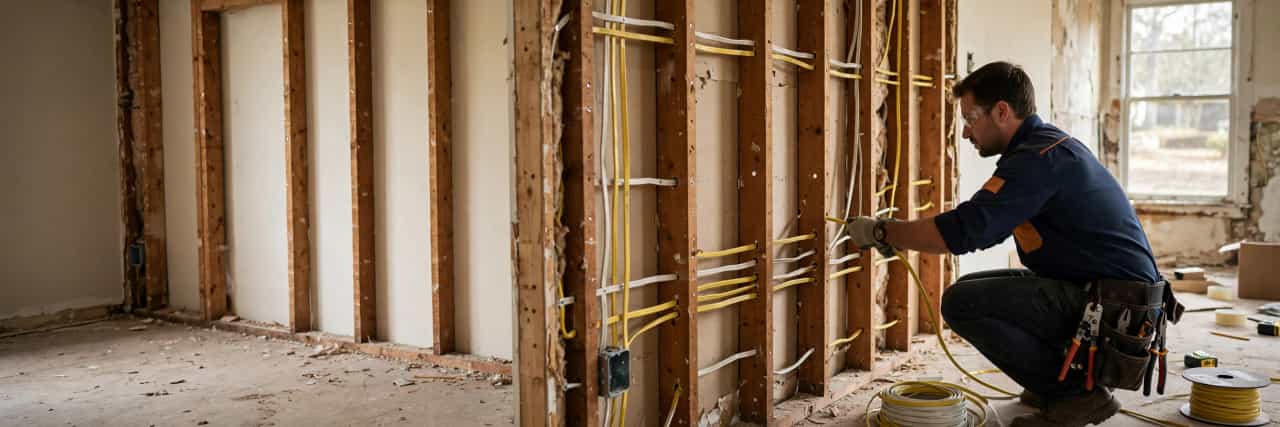
Knob-and-tube wiring was standard in houses built before about 1930 and still turns up in Bridgeport attics and walls. It lacks a ground and can be dangerous when buried in insulation or spliced into newer cable. Replacement is usually done room by room, with new cable fished through walls to limit plaster damage.
Rental turnover inspections
Bridgeport has a high share of rental housing, and landlords often schedule electrical inspections at turnover. Typical findings include missing GFCI protection, open junction boxes, double-tapped breakers and outlets on overloaded circuits. Addressing these before a new tenant moves in avoids emergency calls later.
EV charging in dense neighborhoods
Off-street parking is limited in parts of Bridgeport, but homeowners with driveways or garages are adding Level 2 chargers. In multi-family houses, the charger has to be fed from the correct unit or house panel and metered fairly. A load calculation determines whether the existing service can carry the new circuit.
Water in a Bridgeport basement panel
If you see smoke, smell burning or notice water reaching a panel or outlet, keep everyone away. Switch off the main only if you can reach it safely and are not standing in water, call 911 for smoke or fire, then call (855) 679-2483 to reach a licensed electrician. Never open the panel cover yourself.
Questions
Questions from Bridgeport, CT homeowners
Is there a 24 hour emergency electrician in Bridgeport, CT?+
Yes. Call (855) 679-2483 any time, day or night, and you are connected with an independent licensed electrician who covers Bridgeport, including Black Rock, North End, East Side. For sparks, smoke or a hot panel, call 911 first.
Who handles electrical repair and generator installation in Bridgeport?+
Licensed electrical contractors working in Fairfield County handle outlet and switch repair, circuit troubleshooting, panel work and standby generator installation. Permits go through City of Bridgeport Building Department (Margaret E. Morton Government Center, 999 Broad Street).
Who issues electrical permits in Bridgeport?+
The City of Bridgeport Building Department issues electrical permits for properties inside the city, under the Connecticut State Building Code. Neighboring Fairfield, Stratford and Trumbull each have their own building officials, so the address decides where the application goes.
Who do I call if my power keeps going out in Bridgeport?+
Report street-wide outages to United Illuminating, which owns the lines and meters. If only your home or certain circuits keep failing, call (855) 679-2483 to be connected with a licensed electrician, and if you notice smoke, heat or sparking, keep clear and call 911 first.
How do I check a Connecticut electrician’s license?+
Use the Connecticut Department of Consumer Protection’s license lookup. Electrical contractors hold an E-1 license and journeypersons an E-2, and the permit application lists the contractor’s license number.
By calling, you agree to be connected with an independent electrician, who may call or text you back about your request at the number you call from. Calls may be recorded for quality and routing. Consent is not a condition of any purchase, and you can opt out at any time; message and data rates may apply. Privacy policy.
Free to call
Explain the problem in plain words
Connect with an independent licensed electrician near you
Smoke, flames or sparking? Leave the building and call 911 first.
Pronto Electrician is a free referral service. The electricians you are connected with are independent contractors, not employees or agents of Pronto Electrician. Pronto Electrician does not perform electrical work, and the electrician you choose sets the price, schedule, permits and warranty.
By calling, you agree to be connected with an independent electrician, who may call or text you back about your request at the number you call from. Calls may be recorded for quality and routing. Consent is not a condition of any purchase, and you can opt out at any time; message and data rates may apply. Privacy policy.