01
Pre-war wiring in the bungalow districts
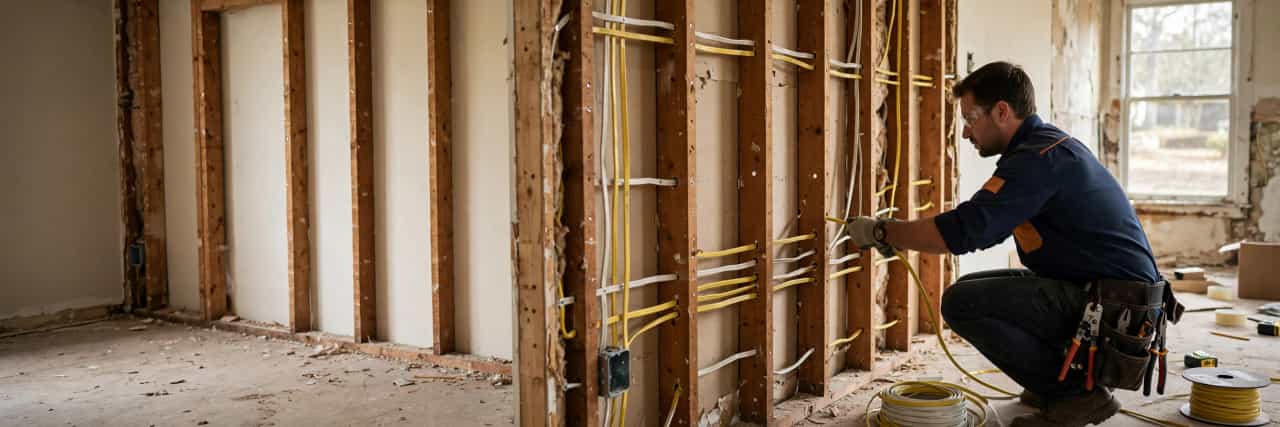
Lakeside and Southwood Park homes may still hide knob-and-tube or cloth-sheathed cable, often patched into newer work. Insurers sometimes ask for it to be documented or replaced.
House Rewiring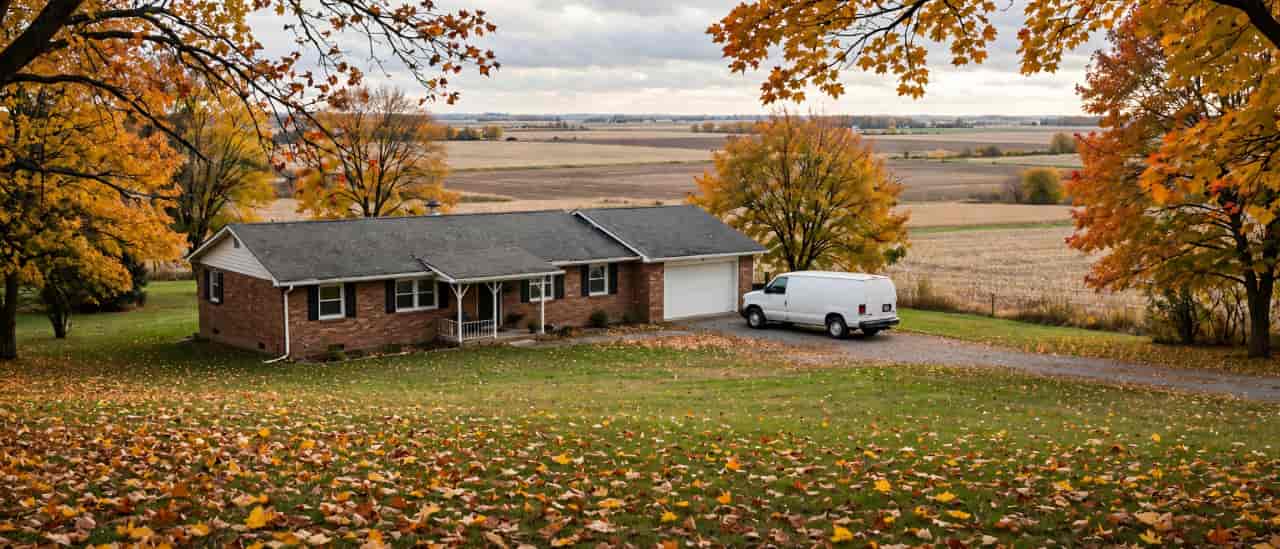
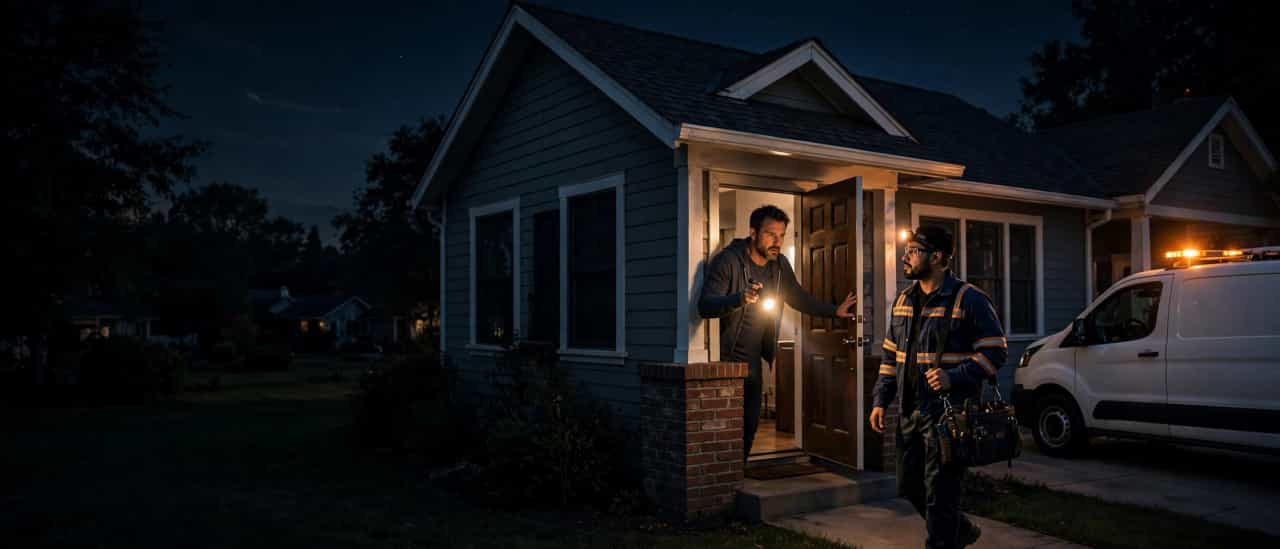
24 hour emergency service, electrical repair, panel upgrades, generator installation and EV chargers in Fort Wayne. Call (855) 679-2483 and get connected with an independent licensed electrician who works locally.
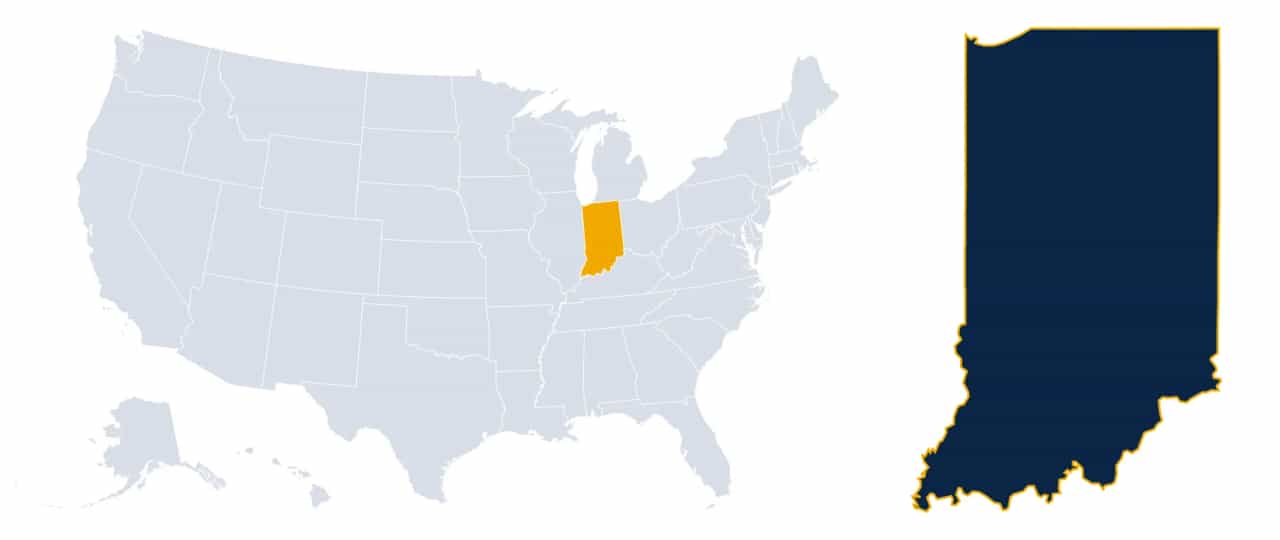
Fort Wayne is Indiana’s second-largest city, built where the St. Joseph and St. Marys rivers join to form the Maumee. Indiana Michigan Power delivers the electricity. The city’s neighborhoods range from Victorian homes in West Central to 1920s bungalows near Lakeside and sprawling post-war subdivisions in the north and southwest. Floods, summer derechos and winter ice storms have all tested its homes, and many electrical calls trace back to aging service equipment.
Free to call · Independent licensed electricians
By calling, you agree to be connected with an independent electrician, who may call or text you back about your request at the number you call from. Calls may be recorded for quality and routing. Consent is not a condition of any purchase, and you can opt out at any time; message and data rates may apply. Privacy policy.
Serving West Central, Lakeside, North Anthony, Southwood Park, Aboite, Wildwood Park and every other Fort Wayne neighborhood.
Fort Wayne at a glance
Electrical services in Fort Wayne
The calls Fort Wayne homeowners make most, followed by every service independent licensed electricians handle here.
Not sure which service you need? Describe the problem and an electrician will tell you.
Call for Electrical Service in Fort WayneHousing and wiring
West Central and the near-downtown districts hold late 1800s Italianate and Queen Anne homes. Lakeside, North Anthony and Southwood Park are known for 1910s through 1930s bungalows, Tudors and Colonial Revivals. Post-war ranches fill much of the near-north and southeast sides, and the Aboite area and northern suburbs, annexed over recent decades, are largely 1970s through 2000s subdivisions. Basements and crawlspaces are common, and many sit in heavy, slow-draining clay.
Neighborhoods we cover
Local issues
Problems that come up again and again in local homes, and the service that fixes each one.
Lakeside and Southwood Park homes may still hide knob-and-tube or cloth-sheathed cable, often patched into newer work. Insurers sometimes ask for it to be documented or replaced.
House RewiringDerecho winds and ice storms snap limbs onto overhead lines. Damage to the mast or meter base must be repaired by the homeowner’s electrician before I&M restores service.
Emergency ElectricianWet basements are common in Fort Wayne’s clay. A dedicated circuit for the sump pump and backup power keep a storm outage from becoming a flooded basement.
Generator InstallationLocal guide
History, housing, weather and rules that shape electrical work in Fort Wayne, IN.
Fort Wayne grew where the St. Joseph and St. Marys rivers meet to form the Maumee. In March 1913 heavy rain swamped the city, flooding thousands of homes, especially in Nebraska and Lakeside, and leaving lasting damage. Houses from that era that sit in low areas near the rivers still have panels and wiring in basements that can take on water, a detail worth knowing before buying or renovating.
In March 1982 the rivers rose again, and thousands of volunteers, many of them students, filled and stacked sandbags day and night. The effort earned Fort Wayne its reputation as the city that saved itself. The floodwalls and levees built since then have reduced the risk, but homes behind them still need sump pumps and properly protected basement wiring.
On June 29, 2012, a fast-moving derecho swept across northern Indiana with winds strong enough to topple large trees across Fort Wayne. Tens of thousands of homes in the Fort Wayne area lost power, many for several days, in the middle of a heat wave. Homeowners found service masts ripped from their roofs and meter bases torn loose, damage that had to be repaired before the utility would reconnect.
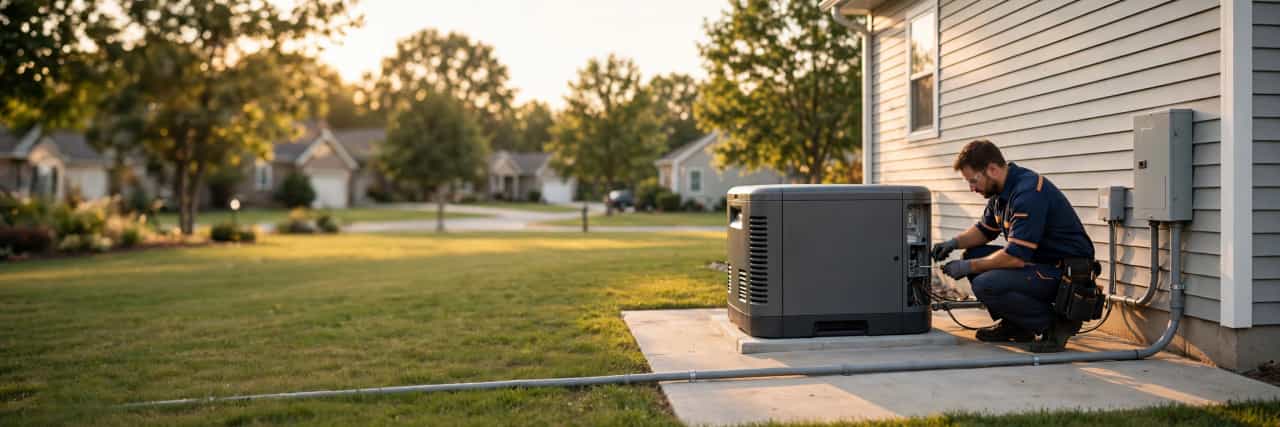
Freezing rain coats branches and power lines in heavy ice several times a decade in northeast Indiana. Ice storms tend to cause widespread, slow-to-restore outages because crews must clear trees before they can repair lines. Furnaces with electric blowers stop working when the power goes out, so a transfer switch and generator, or at least a safe inlet for a portable unit, protects pipes and families.
West Central, one of Fort Wayne’s oldest neighborhoods, features grand Italianate and Queen Anne homes near downtown. Many were divided into apartments during the mid-twentieth century and then restored as single-family homes again. Each change left a layer of wiring, from original knob-and-tube to modern cable. A careful survey before restoration helps owners decide what can stay and what must be replaced.
Lakeside, next to the well-known Lakeside Park rose garden, and the North Anthony corridor are filled with 1910s through 1930s bungalows and foursquares. Their charm includes plaster walls, built-ins and hardwood floors, which make rewiring more delicate. Electricians often fish new cable through attics and basements to avoid damaging finishes, and add kitchen and bathroom circuits that the original homes never had.
Southwood Park, with its curving streets and 1920s Tudor and Colonial Revival homes, is a historic district on the south side. These houses are often well kept but carry decades of electrical additions, including old panels, ungrounded outlets and finished basements wired by past owners. Upgrading to a 200-amp service is a common first step when owners add central air or a modern kitchen.
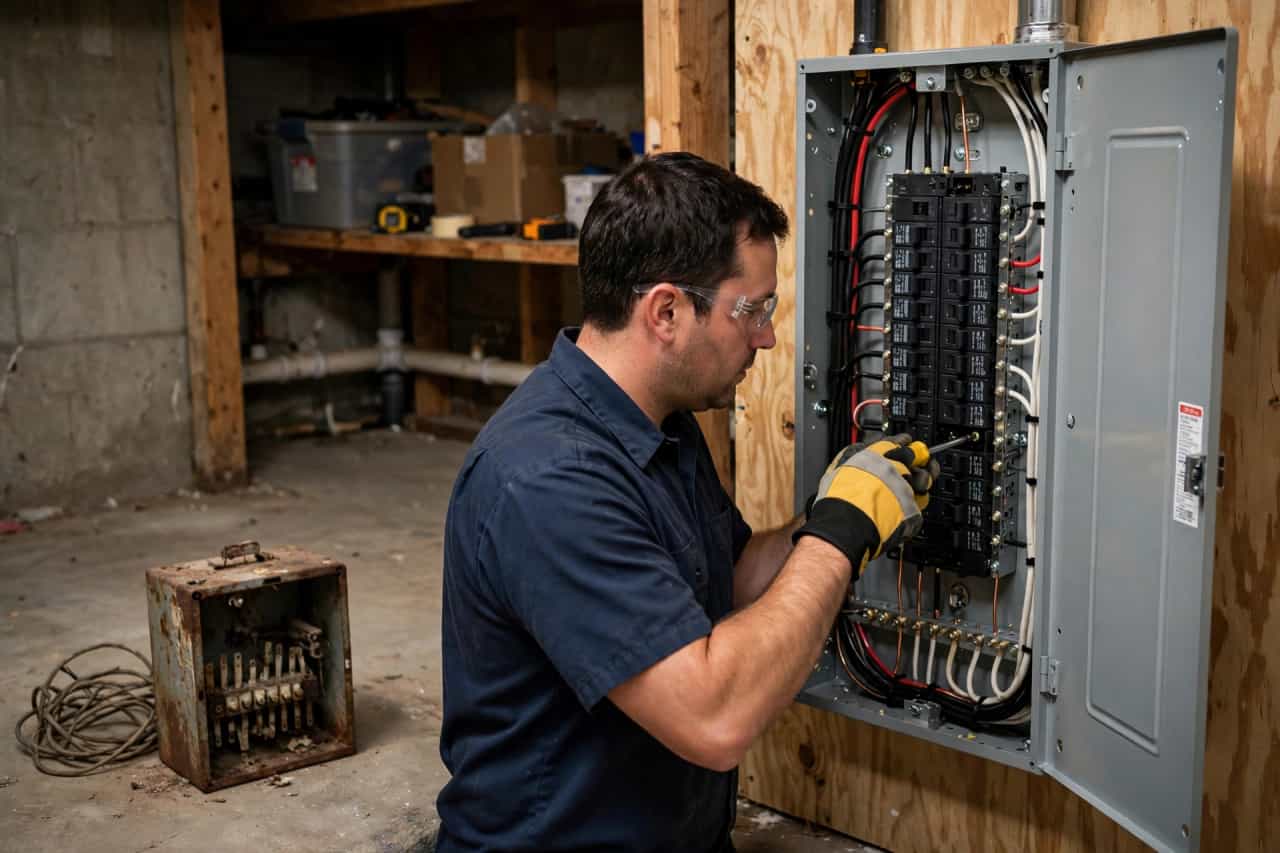
General Electric was a major Fort Wayne employer for much of the twentieth century, and its workers settled in post-war ranches and capes across the city. Those homes typically started with 60- or 100-amp services and a few circuits per room. Some have panel brands that inspectors and insurers flag today. Replacing the panel and adding grounding is a common project.
The Aboite area southwest of downtown was largely developed from the 1970s onward, and much of it was annexed into the city in the 2000s. Homes here are larger, with attached garages and finished basements. Requests often involve chargers, whole-house surge protection, landscape lighting and finishing basements, rather than replacing outdated wiring.
Much of Allen County sits on glacial clay that drains slowly, so groundwater collects around foundations after heavy rain or snowmelt. Basements are the usual home of the panel, water heater and sump pump. A dedicated sump pump circuit, a battery or generator backup and GFCI protection for basement outlets reduce the risk of water and electricity meeting.
I&M offers energy efficiency programs and rebates that have included incentives for efficient equipment and home energy assessments. Homeowners considering heat pumps, chargers or other new loads can check the utility’s current offerings before starting, then have an electrician confirm the home’s service can support the new equipment.
More Fort Wayne homeowners are replacing aging furnaces with heat pumps, often keeping a gas furnace as backup for the coldest days. A heat pump with electric backup heat can draw a large share of a 100-amp service. A load calculation before installation shows whether the panel can handle it or needs upgrading.
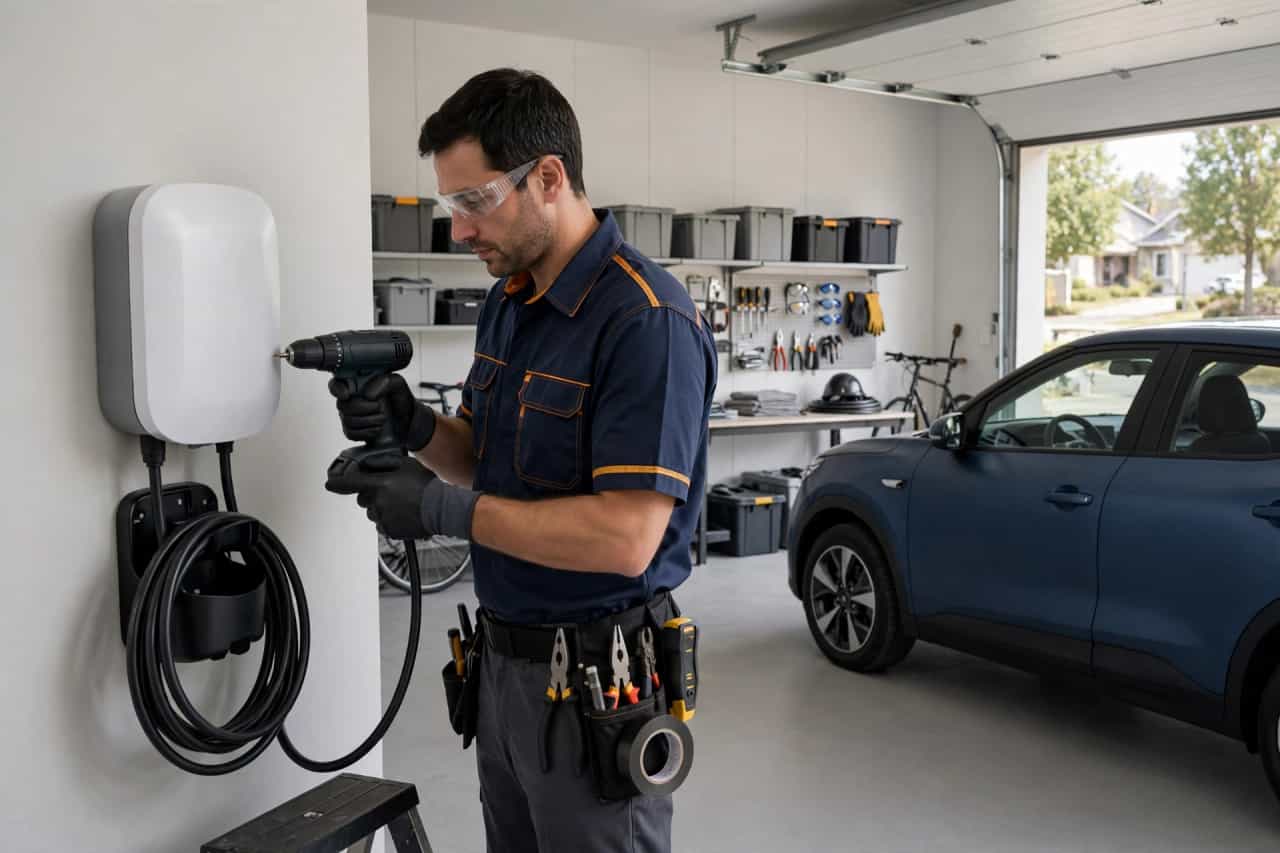
Electric vehicles are increasingly common in Fort Wayne, and most homes have garages that make charging straightforward. A Level 2 charger needs a dedicated 240-volt circuit sized for the unit. In older homes with small services, load-management equipment can allow charging without an immediate panel upgrade.
Downtown Fort Wayne has seen major redevelopment, including the Electric Works campus in the former GE buildings and new housing near the riverfront. Converting old industrial or commercial buildings to apartments requires new services, fire alarm systems and code-compliant wiring for every unit, work that goes well beyond a typical residential job.
Lightning is frequent in northern Indiana summers, and surges travel through power and communication lines. A whole-house surge protective device at the panel helps protect furnaces, air conditioners and appliances with electronic controls, while plug-in devices protect computers and televisions. Good grounding and bonding make the protection effective.
Many buyers are drawn to Fort Wayne’s affordable older homes. A general home inspection may only glance at the panel, so a separate electrical inspection can reveal knob-and-tube, overloaded circuits, aluminum branch wiring or amateur work. Knowing the condition before closing helps buyers plan repairs and negotiate.
Electrical permits for Fort Wayne and unincorporated Allen County are issued through the Department of Planning Services at Citizens Square. Inspectors check rough-in work before walls are covered and inspect service changes before I&M reconnects power. Because Indiana has no statewide electrician license, local registration and insurance are worth verifying.
Sparks, smoke, a hot panel, a burning smell or water near electrical equipment call for immediate action. Keep everyone back, turn off the main breaker only if it is safe to reach, and call 911 for any fire or smoke. Once safe, call (855) 679-2483 to be connected with a licensed electrician. Never remove a panel cover or touch energized equipment.
Questions
Yes. Call (855) 679-2483 any time, day or night, and you are connected with an independent licensed electrician who covers Fort Wayne, including West Central, Lakeside, North Anthony. For sparks, smoke or a hot panel, call 911 first.
Licensed electrical contractors working in Allen County handle outlet and switch repair, circuit troubleshooting, panel work and standby generator installation. Permits go through Fort Wayne–Allen County Department of Planning Services, Building Department (Citizens Square, 200 East Berry Street).
The Fort Wayne–Allen County Department of Planning Services, through its Building Department at Citizens Square, issues electrical permits for Fort Wayne and unincorporated Allen County. Some small towns in the county handle their own permits, so the address matters.
Report neighborhood outages to Indiana Michigan Power, which owns the lines and meter. If only your home is affected, or breakers trip repeatedly, call (855) 679-2483 to be connected with a licensed electrician.
No, Indiana does not issue a statewide electrician license, so licensing is handled locally. Ask the electrician about their local license with the Fort Wayne–Allen County Building Department and confirm their insurance before work begins.
Problem guides
 Breaker Keeps TrippingWhy does my circuit breaker keep tripping?
 Flickering LightsWhy are the lights in my house flickering?
 Burnt or Scorched OutletWhat should I do if an outlet has burn marks?
 Burning Smell From OutletIs a burning smell from an outlet dangerous?
 Buzzing Electrical PanelWhy is my electrical panel buzzing?
 Power Out in Part of the HouseWhy is the power out in only part of my house?
Same-day help often available
Call an electrician in Fort Wayne
Describe the problem and your Fort Wayne neighborhood. Your call goes to an independent licensed electrician who works locally.
Call (855) 679-2483By calling, you agree to be connected with an independent electrician, who may call or text you back about your request at the number you call from. Calls may be recorded for quality and routing. Consent is not a condition of any purchase, and you can opt out at any time; message and data rates may apply. Privacy policy.
Smoke, flames or sparking? Leave the building and call 911 first.
Pronto Electrician is a free referral service. The electricians you are connected with are independent contractors, not employees or agents of Pronto Electrician. Pronto Electrician does not perform electrical work, and the electrician you choose sets the price, schedule, permits and warranty.
Free to call · All 50 states + DC
Describe the problem and get connected with an independent licensed electrician who serves your area.
By calling, you agree to be connected with an independent electrician, who may call or text you back about your request at the number you call from. Calls may be recorded for quality and routing. Consent is not a condition of any purchase, and you can opt out at any time; message and data rates may apply. Privacy policy.
Free referral to independent electricians. By calling you consent to a callback or text and call recording. Details