24 hour emergency service, electrical repair, panel upgrades, generator installation and EV chargers in Corona. Call (855) 679-2483 and get connected with an independent licensed electrician who works locally.
Corona sits at the western edge of Riverside County where the Santa Ana River leaves the Inland Empire through the canyon toward Orange County. The 91 and 15 freeways meet here, carrying commuters in every direction. Southern California Edison serves most homes, while the city’s own electric utility serves some newer developments. Hot inland summers, Santa Ana winds, nearby wildfires and fast suburban growth since the 1980s drive the electrical work Corona homeowners need most.
By calling, you agree to be connected with an independent electrician, who may call or text you back about your request at the number you call from. Calls may be recorded for quality and routing. Consent is not a condition of any purchase, and you can opt out at any time; message and data rates may apply. Privacy policy.
Serving South Corona, Sierra del Oro, Dos Lagos, Eagle Glen, Downtown Corona, Corona Hills and every other Corona neighborhood.
Corona at a glance
Electric utility
Southern California Edison serves most of Corona; the City of Corona Utilities Department provides electric service to city facilities and certain designated areas
Permits and inspections
City of Corona Building Division, Planning and Development Department (Corona City Hall, 400 South Vicentia Avenue)
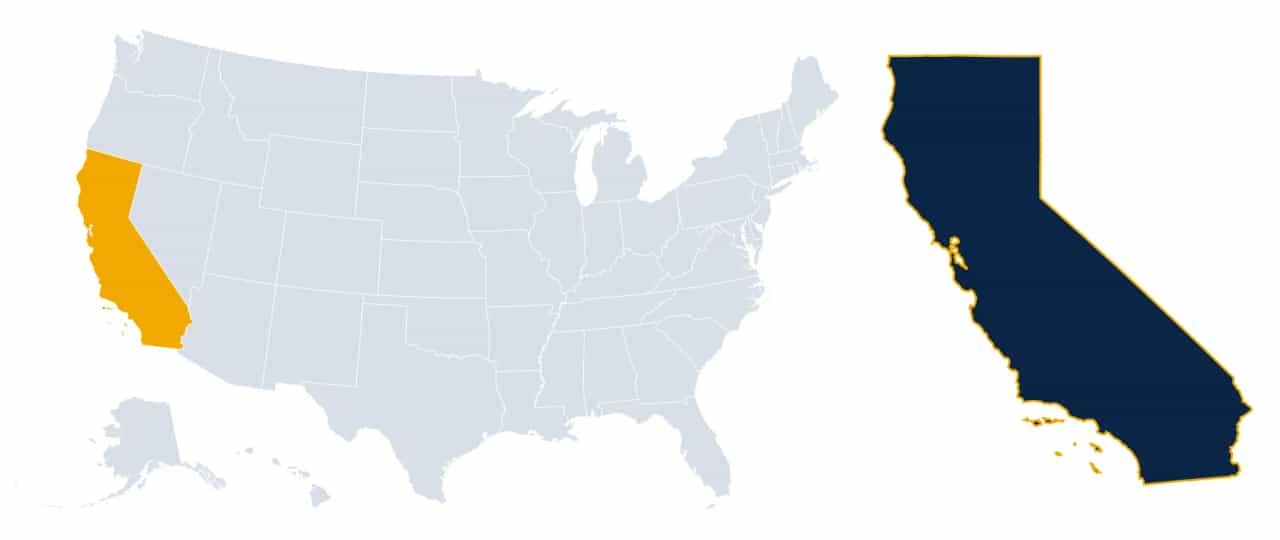
County
Riverside County
ZIP codes include
92879 · 92880 · 92881 · 92882 · 92883
Electrical services in Corona
What do you need help with in Corona, CA?
The calls Corona homeowners make most, followed by every service independent licensed electricians handle here.
Downtown Corona, built around the circular Grand Boulevard, holds homes from the early 1900s through the 1950s, including bungalows near the old citrus packing district. Most of the city, though, is 1980s and 1990s stucco tract housing in north and south Corona and Sierra del Oro. Newer master-planned neighborhoods such as Eagle Glen, Dos Lagos and the Temescal Valley edge filled in during the 2000s.
Problems that come up again and again in local homes, and the service that fixes each one.
01
Santa Ana winds and fire risk
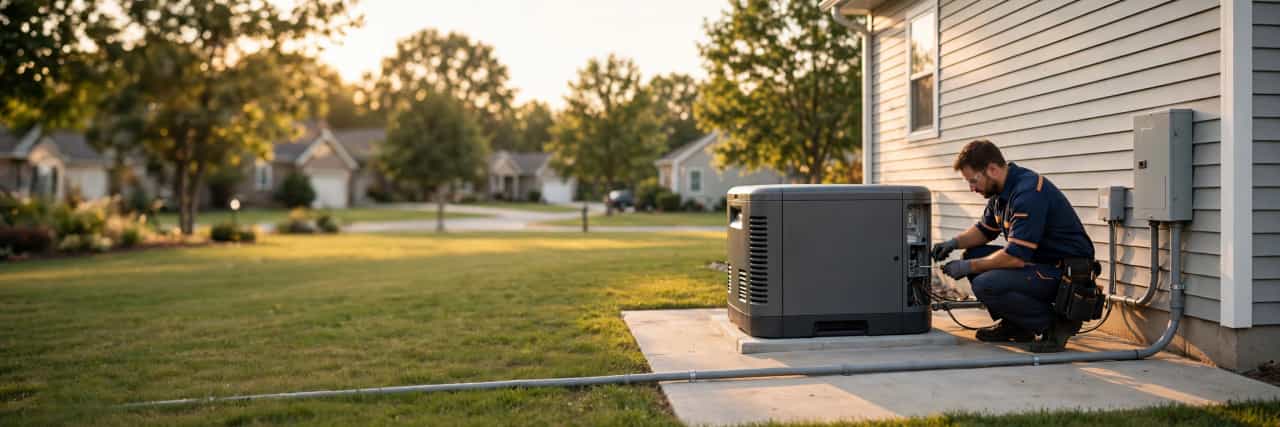
Corona backs onto the Santa Ana Mountains and Chino Hills, and wind-driven wildfires such as the 2020 Blue Ridge Fire have threatened nearby hillsides. Edison may cut power in high fire risk areas, so backup power and safe generator connections matter.
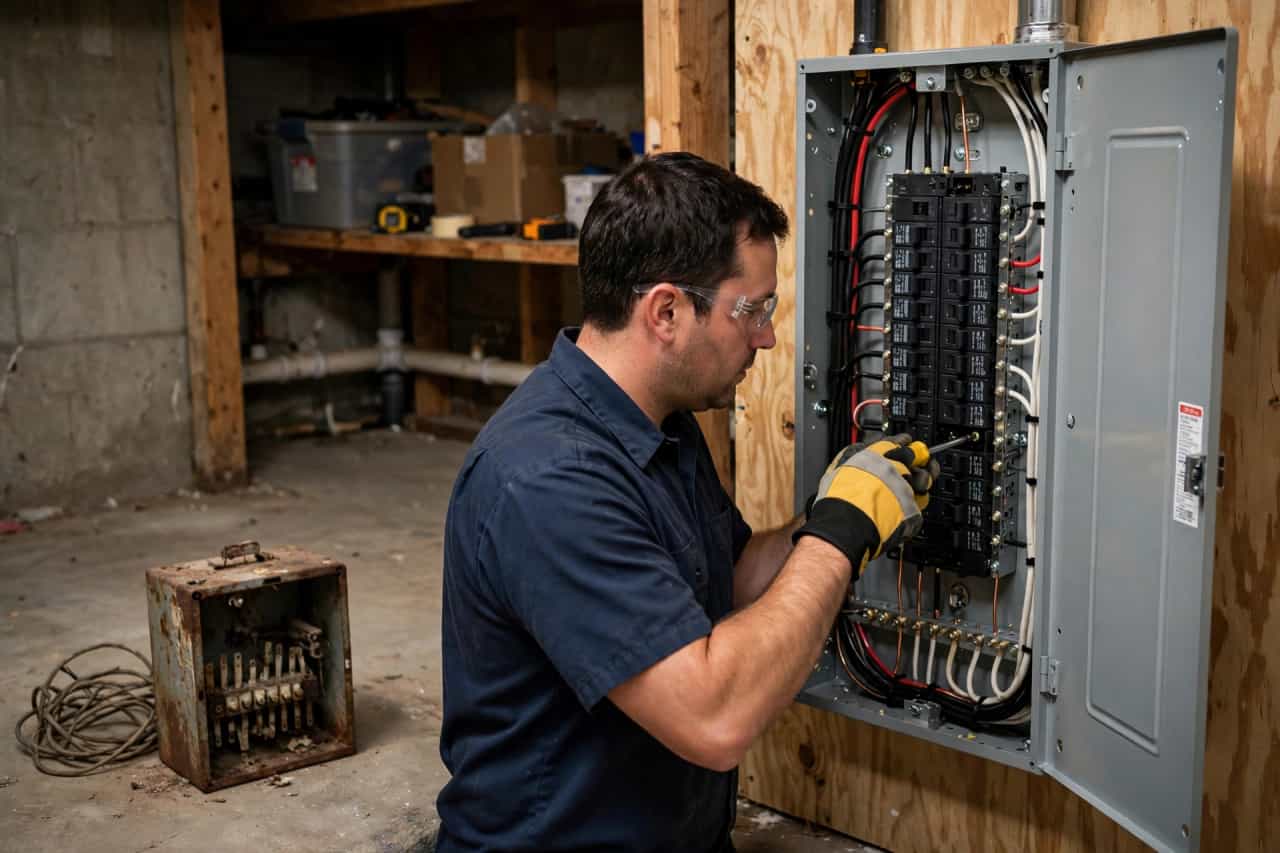
Many Corona homes built during the 1980s housing boom still have their original panels. Adding air conditioning, a pool pump or an EV charger can push those panels beyond what they were designed to carry.
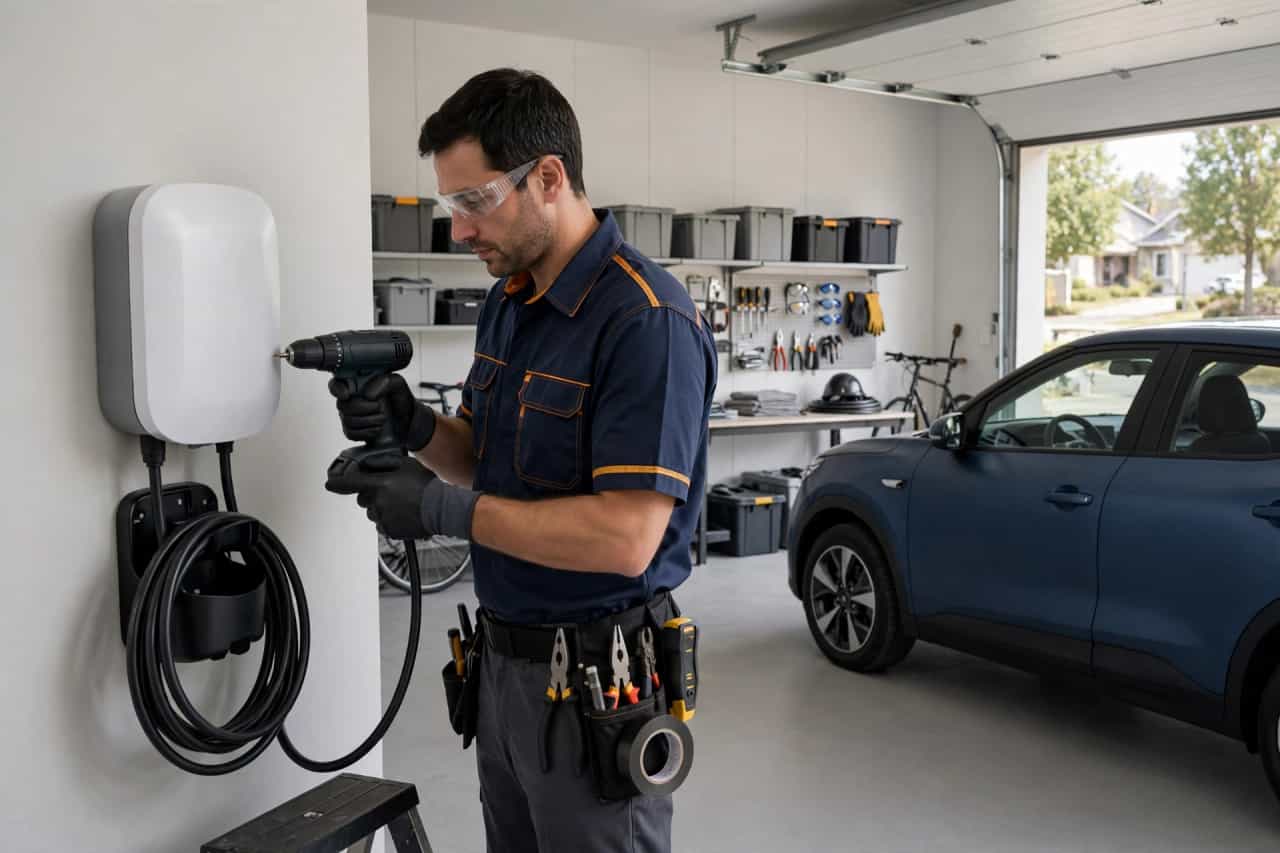
Corona residents commute on the 91 and the 15 to Orange County, Los Angeles and the Inland Empire. Home Level 2 chargers make electric vehicles practical for those drives.
History, housing, weather and rules that shape electrical work in Corona, CA.
Corona’s place at the Santa Ana River gateway
Corona occupies the lowlands and foothills where the Santa Ana River flows west through Santa Ana Canyon into Orange County. The city grew from a citrus town into a commuter suburb of more than 160,000 people. Its location at the junction of the 91 and 15 freeways explains both its growth and its housing patterns, with dense tract neighborhoods on the valley floor and larger homes stepping up into the hills on the south and west.
Two electric providers in one city
Corona created its own municipal electric utility in 2001, during the statewide energy crisis, and it operates alongside Southern California Edison. Edison serves the majority of homes, while the city’s Utilities Department provides electric service to city facilities and a limited number of designated areas. Service upgrades, meter work and solar interconnections are coordinated with whichever provider supplies the property, so the first question an electrician will ask before a panel or service job is which company sends the bill.
The Grand Boulevard circle and old downtown
Corona’s historic core is laid out inside the one-mile circle of Grand Boulevard, which once hosted early twentieth century road races. Homes inside and near the circle include Craftsman bungalows and Spanish Revival houses, some more than a century old. These homes can contain knob-and-tube remnants, small services and ungrounded circuits. Owners restoring them often schedule an inspection first, then plan rewiring room by room while preserving original plaster and trim.
Citrus heritage and the packing district
Corona once called itself the Lemon Capital of the World, and packing houses lined the rail corridor near downtown. Some of those industrial buildings and nearby worker homes survive, and several have been converted to new uses. Older commercial buildings in this area often require updated service equipment, lighting retrofits and new branch circuits when they become restaurants, offices or studios, and that work goes through the city’s building review.
The 1980s and 1990s housing boom
Corona’s population climbed sharply in the 1980s and 1990s as Orange County workers looked east for affordable homes. Neighborhoods in north Corona and south Corona filled with two-story stucco tract homes on slab foundations. Many still have original panels, breakers and builder-grade receptacles. As appliances, air conditioning and home electronics have multiplied, owners in these neighborhoods commonly upgrade panels, add circuits and replace worn devices.
Sierra del Oro and the western hills
Sierra del Oro, on the western edge of the city near the 91 freeway and the Santa Ana River, mixes 1980s and 1990s tract homes with hillside streets. Homeowners there frequently remodel kitchens and bathrooms, which brings new requirements for GFCI and AFCI protection and dedicated appliance circuits. Hillside lots near open space also make exterior lighting and safe generator connections popular, given the area’s wind and wildfire exposure.
Eagle Glen and Dos Lagos
West of the 15 and south of Ontario Avenue, Eagle Glen grew around its golf course in the late 1990s and 2000s, and Dos Lagos added homes, shops and offices near Temescal Canyon Road. These newer homes generally have 200-amp services, but owners still add EV chargers, pool equipment, backyard kitchens and landscape lighting. An electrician confirms available capacity and may recommend load management where several large loads compete.
Wildfire history around Corona
Wildfires are a recurring concern on Corona’s edges. The Blue Ridge Fire in October 2020 burned through the hills near Yorba Linda and Chino Hills under Santa Ana winds, and the 2018 Holy Fire forced evacuations in the Cleveland National Forest and Temescal Valley to the south. Smoke, ash and wind-blown embers can damage exterior equipment, and wildfire seasons bring the possibility of Edison power shutoffs.
Santa Ana winds and power shutoffs
Dry Santa Ana winds blow through the canyons around Corona most often from fall into winter. Southern California Edison may de-energize lines in high fire risk areas during these events. Households can sign up for SCE alerts and, if someone relies on powered medical equipment, enroll in Edison’s Medical Baseline program. A generator connected through a properly installed transfer switch or interlock is the safe way to run household circuits during a shutoff.
Inland heat and air conditioning loads
Corona is far enough inland that summer afternoons regularly reach the upper 90s and beyond. Air conditioning runs for long hours from June through September, and older systems sharing small panels with pool pumps and refrigerators cause frequent nuisance trips and overheated connections. During heat waves, the California grid operator may issue Flex Alerts asking customers to conserve. Upgrading panels and replacing failing breakers helps homes handle peak cooling demand.
Prado Basin and flood-prone lowlands
Prado Dam, northwest of the city, controls the Santa Ana River before it enters Orange County, and low ground near the river and the Prado basin can flood during heavy winter storms. Homes and businesses in low-lying areas should keep electrical equipment above expected water levels where possible. If water reaches outlets or panels, stay clear, shut power off only from a dry location, and have an electrician inspect before reenergizing anything.
Earthquake readiness for electrical systems
Corona lies near the Elsinore and Chino fault zones, part of the larger Southern California fault network. A strong earthquake can loosen connections, crack conduit and shift heavy equipment such as water heaters and panels. When replacing a panel or adding major equipment, homeowners can ask an electrician to make sure everything is properly secured and that the main disconnect is labeled and easy to reach in an emergency.
Solar and battery storage in Corona
Abundant sunshine has made rooftop solar common across Corona’s tract neighborhoods. Under California’s current net billing rules, batteries are increasingly paired with new systems to cover evening use and outages. Solar backfeed must fit the panel’s bus rating, and battery backup often requires a critical loads subpanel. Permits come from the city, and interconnection approval comes from Edison or the city’s Utilities Department depending on the address.
Pools, spas and outdoor living
Backyard pools and spas are common in Corona because of the warm climate. They need bonding of metal components, GFCI protection and properly located disconnects. Older pools may have deteriorated conduit and outdated timers, while newer projects add heaters, variable-speed pumps and outdoor kitchens. Before any of these additions, an electrician checks the panel’s spare capacity and plans circuits that meet the California Electrical Code.
Permits from the City of Corona
The Building Division in Corona’s Planning and Development Department issues permits for panel replacements, new circuits, solar, EV chargers and generator transfer equipment. Inspectors verify the work before the job is released to the serving utility. Homeowners should hire contractors licensed by the California Contractors State License Board and confirm that permits are finaled, since buyers, insurers and lenders often ask for records.
Temescal Valley and county addresses
Temescal Valley, south of city limits along the 15 freeway, has many homes with Corona mailing addresses, but it is unincorporated Riverside County. Electrical permits there are issued by Riverside County rather than the City of Corona. Confirming the jurisdiction before starting a project avoids delays, because inspection schedules and requirements can differ between the city and the county.
Commercial and light industrial work
Corona has a sizable business base, with industrial parks near the 91 freeway and shopping centers along the 15 and Ontario Avenue. Commercial and light industrial clients need three-phase service work, equipment circuits, LED lighting retrofits, parking lot lighting and code corrections after inspections. A licensed commercial electrician can schedule work to limit downtime and coordinate permits with the city.
What to do in an electrical emergency
If you smell burning, see smoke or sparks, feel heat at a panel or outlet, or find water near electrical equipment, move everyone away. Call 911 for fire or smoke. If the main breaker or affected circuit can be reached safely and you are not standing in water, switch it off. Never remove panel covers. Then call (855) 679-2483 to reach an independent licensed electrician serving Corona.
Questions
Questions from Corona, CA homeowners
Is there a 24 hour emergency electrician in Corona, CA?+
Yes. Call (855) 679-2483 any time, day or night, and you are connected with an independent licensed electrician who covers Corona, including South Corona, Sierra del Oro, Dos Lagos. For sparks, smoke or a hot panel, call 911 first.
Who handles electrical repair and generator installation in Corona?+
Licensed electrical contractors working in Riverside County handle outlet and switch repair, circuit troubleshooting, panel work and standby generator installation. Permits go through City of Corona Building Division, Planning and Development Department (Corona City Hall, 400 South Vicentia Avenue).
Who issues electrical permits in Corona?+
The City of Corona Building Division in the Planning and Development Department issues electrical permits for homes inside city limits. Temescal Valley and other unincorporated areas nearby go through Riverside County instead.
Who is my electric company in Corona?+
Most Corona homes are served by Southern California Edison. Certain designated areas are served by the City of Corona Utilities Department, the city’s own electric system, so check the name on your bill before reporting an outage.
Who do I call if my power keeps going out in Corona?+
Report neighborhood outages to Edison or the City of Corona Utilities Department, whichever serves your address. If only your home or a few rooms keep losing power, call (855) 679-2483 to reach a licensed electrician.
By calling, you agree to be connected with an independent electrician, who may call or text you back about your request at the number you call from. Calls may be recorded for quality and routing. Consent is not a condition of any purchase, and you can opt out at any time; message and data rates may apply. Privacy policy.
Free to call
Explain the problem in plain words
Connect with an independent licensed electrician near you
Smoke, flames or sparking? Leave the building and call 911 first.
Pronto Electrician is a free referral service. The electricians you are connected with are independent contractors, not employees or agents of Pronto Electrician. Pronto Electrician does not perform electrical work, and the electrician you choose sets the price, schedule, permits and warranty.
By calling, you agree to be connected with an independent electrician, who may call or text you back about your request at the number you call from. Calls may be recorded for quality and routing. Consent is not a condition of any purchase, and you can opt out at any time; message and data rates may apply. Privacy policy.